What Storage-in-Transit Means

Storage-in-transit, usually shortened to SIT, is temporary warehouse storage of your household goods while they are in the middle of a long distance move. Your belongings are loaded, transported toward your destination, and then held in a secure facility until your new home is ready to receive them. It is one of the most useful — and most misunderstood — services in cross-country moving.
On a move within one city, storage is rarely needed; the truck simply drives across town. But on a 4,000-kilometre relocation, timelines almost never line up perfectly. Closing dates slip, possession dates differ between provinces, and sometimes you simply need a few weeks to settle logistics. SIT bridges that gap without forcing you to rush a closing or pay for an empty rental.
Key Takeaway: Storage-in-transit is short-term warehousing built into the move itself, designed to bridge the gap between when you leave your old home and when you can move into your new one.
A well-organized long distance moving company treats SIT as a routine part of cross-country logistics, not an emergency. Understanding how it works lets you plan a move that flows smoothly even when dates do not cooperate. This guide covers everything from how SIT differs from permanent storage to what it costs and how to keep your goods protected the entire time.
When You Actually Need SIT
Storage-in-transit is not just for emergencies. There are several common scenarios where it is the smartest choice for a cross-country move.
- Mismatched closing dates. You take possession of your new home a week or two after you must vacate the old one.
- Staggered family moves. One partner relocates first for work while the other follows weeks later with the children at the end of a school term.
- Home not ready. Renovations, a delayed build, or a tenant still occupying the property push back your move-in date.
- Downsizing transitions. You are selling a large home and need time before settling into a smaller space.
- Job relocations. A corporate transfer requires you to be on-site before housing is finalized.
SIT pairs naturally with a staggered timeline. If your move involves a gap of days or weeks, build storage into the plan from the start rather than scrambling for a last-minute solution. It also dovetails with understanding what to expect on long distance moving day so delivery is smooth on both ends.
If any of these scenarios apply to you, mention it to your estimator early. A capable cross-Canada moving team can quote SIT alongside transport so there are no surprises, and so the same crew and inventory system follows your goods from origin to final delivery.
How Storage-in-Transit Works Step by Step
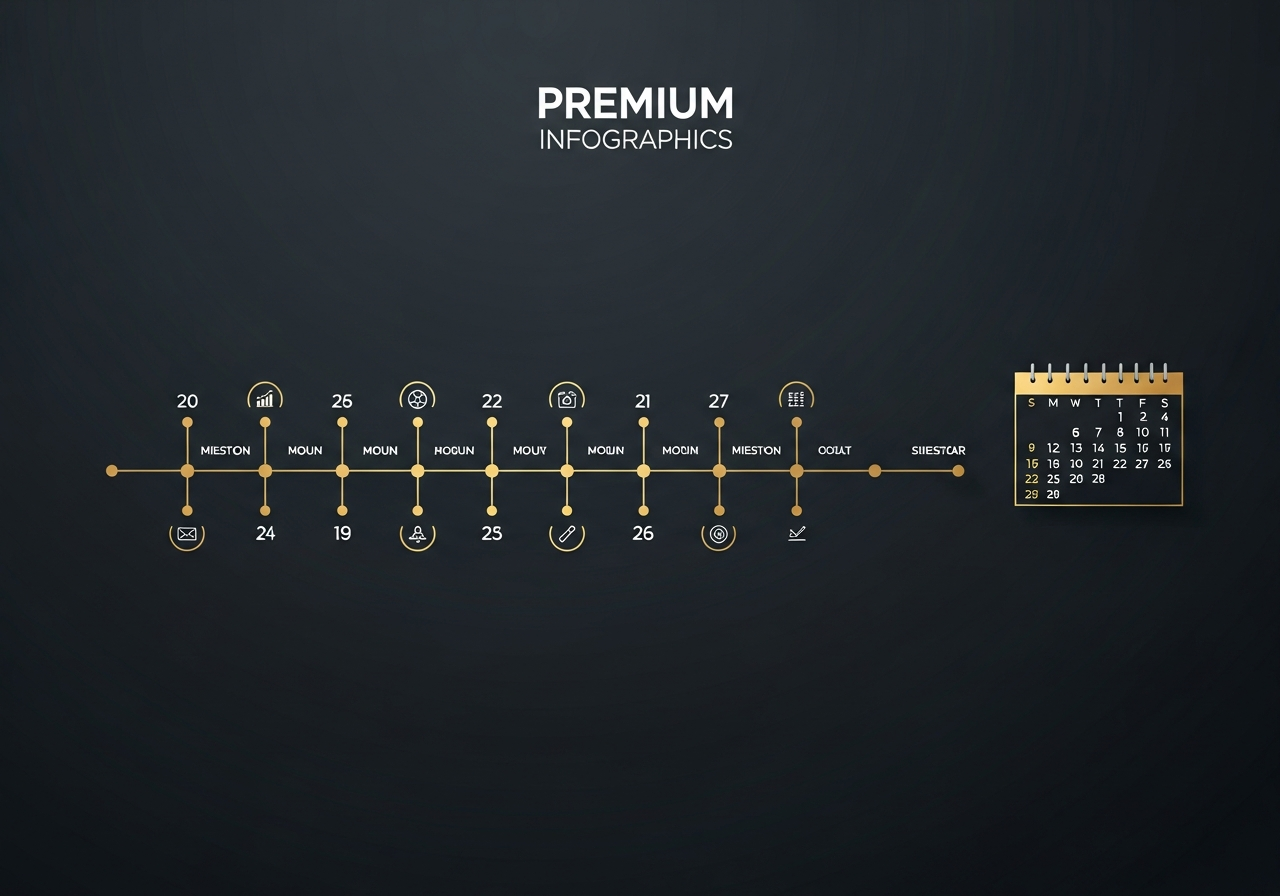
Storage-in-transit follows a predictable sequence. Knowing the steps helps you anticipate each handoff and keep your inventory intact.
- Inventory and load. The crew tags and lists every item with condition notes, then loads the truck at your origin home.
- Transport toward destination. Your goods travel along the long-haul route, often the bulk of the cross-country distance.
- Warehouse intake. At a secure facility — usually near your destination city — your goods are unloaded, often into individual vaults or pallets, and logged against the inventory.
- Storage period. Your belongings remain in the warehouse for the agreed time, from a few days to a couple of months.
- Out-of-storage and final delivery. When your home is ready, the crew reloads and delivers, checking each item against the inventory at your door.
💡 Pro Tip: Ask whether your goods will be stored in sealed wooden vaults. Vault storage means your items are handled as a sealed unit, which reduces handling damage compared to loose pallet storage.
The inventory document is the thread that runs through every step. A reliable professional long distance movers crew checks items against that inventory at both warehouse intake and final delivery, which is your best protection against loss. This careful tracking connects directly to how you build a realistic long distance moving timeline that accounts for storage.
SIT vs Long-Term and Permanent Storage
People often confuse storage-in-transit with regular self-storage or long-term warehousing. The distinctions matter for both cost and liability.
Storage-in-Transit (SIT)
SIT is part of your move contract. Your goods stay under the mover's care, on the mover's inventory, and the same crew handles the final delivery. It is designed to be temporary — typically up to 90 days — and the move is considered "in progress" the entire time.
Permanent or Long-Term Storage
Once storage extends beyond the SIT window, it usually converts to permanent storage. At that point the goods may move to a different warehouse agreement, billing changes, and the liability terms shift from move valuation to a storage policy. This transition is the moment many homeowners get caught off guard.
Self-Storage
Renting your own self-storage unit means you handle loading, unloading, and access. It is cheaper per month but exposes your goods to more handling and breaks the chain of custody under the mover's inventory.
⚠️ Know the conversion date: Ask exactly when SIT converts to permanent storage and how the rate and liability change at that point. The shift can significantly affect both cost and coverage.
For most cross-country moves with a gap of a few weeks, SIT is the right tool. A transparent nationwide moving company will tell you upfront how long you can stay in SIT before conversion.
What Storage-in-Transit Costs in 2026
SIT pricing has a few components, and understanding them helps you budget accurately. These are 2026 estimates that vary by city, volume, and duration.
- Warehouse handling (in and out): A one-time fee for unloading into and reloading out of the warehouse, often calculated per hundred pounds or per cubic foot.
- Monthly storage: A recurring charge based on the volume or weight stored, typically prorated for partial months.
- Final delivery: The cost to deliver from the warehouse to your new home, sometimes bundled, sometimes separate.
For a typical three-bedroom home, expect warehouse handling in the range of a few hundred dollars each way, plus a monthly storage charge that scales with volume. A short SIT period of two to four weeks is generally far cheaper than the cost of rushing a real estate closing or paying double rent.
When comparing carriers, ask each one to itemize warehouse handling, monthly storage, and out-of-storage delivery separately. This is the same line-item discipline that helps you understand the full long distance moving insurance picture during a storage gap.
A reputable interprovincial moving company will give you a written SIT estimate with each component broken out, so you can see exactly what you are paying for and for how long. Get the per-month rate in writing so a delay does not produce a surprise bill.
Climate Control and Why It Matters Across Canada
Canada's climate is brutal on stored goods. From prairie winters that plunge below minus thirty to humid coastal summers, temperature and humidity swings can damage furniture, electronics, instruments, and artwork left in an unconditioned warehouse.
Climate-controlled storage maintains a stable temperature and humidity range year-round. For long distance moves that include any storage period, climate control is strongly recommended for the following items:
- Wood furniture, which warps and cracks with humidity swings
- Electronics, which suffer from condensation and extreme cold
- Musical instruments, especially pianos and string instruments
- Artwork, photographs, and documents, which degrade with humidity
- Leather and upholstery, which can develop mould in damp conditions
💡 Pro Tip: If your move spans seasons — for example, you store goods over a Canadian winter — climate control is not a luxury, it is essential. The cost difference is modest compared to the price of replacing warped furniture or a cracked soundboard.
Ask whether the warehouse is climate-controlled and how temperature and humidity are monitored. A quality long distance moving services provider will be upfront about facility conditions, and the best operators monitor and log warehouse conditions continuously. Don't assume — confirm it in writing before your goods go into storage.
Insurance and Liability During Storage
This is the most overlooked aspect of SIT, and the one most likely to cost you. The coverage that protects your goods in transit does not always extend seamlessly into storage.
Under many carrier valuation programs, full value protection covers the transit phase and a limited storage window — often 30 to 90 days — before storage transitions to a separate warehouse liability arrangement with different, usually lower, terms. If your goods sit in a warehouse for an extended period, you may be under-protected without realizing it.
Key Takeaway: Always confirm in writing how long your move's full value protection follows your goods into storage, and what happens to coverage after that window closes.
For longer storage, consider a dedicated storage insurance policy or a third-party transit policy that explicitly includes warehousing. Storage risks — water intrusion, pest damage, fire, and temperature extremes — differ from transit risks and require their own coverage. The Canadian Association of Movers offers consumer guidance on storage and liability at cam-acd.ca.
This is exactly why SIT and insurance must be planned together. Review the full coverage framework in our guide to long distance moving insurance in Canada before you commit to a storage period, and make sure your declared value reflects everything sitting in the warehouse.
Inventory, Access, and Security
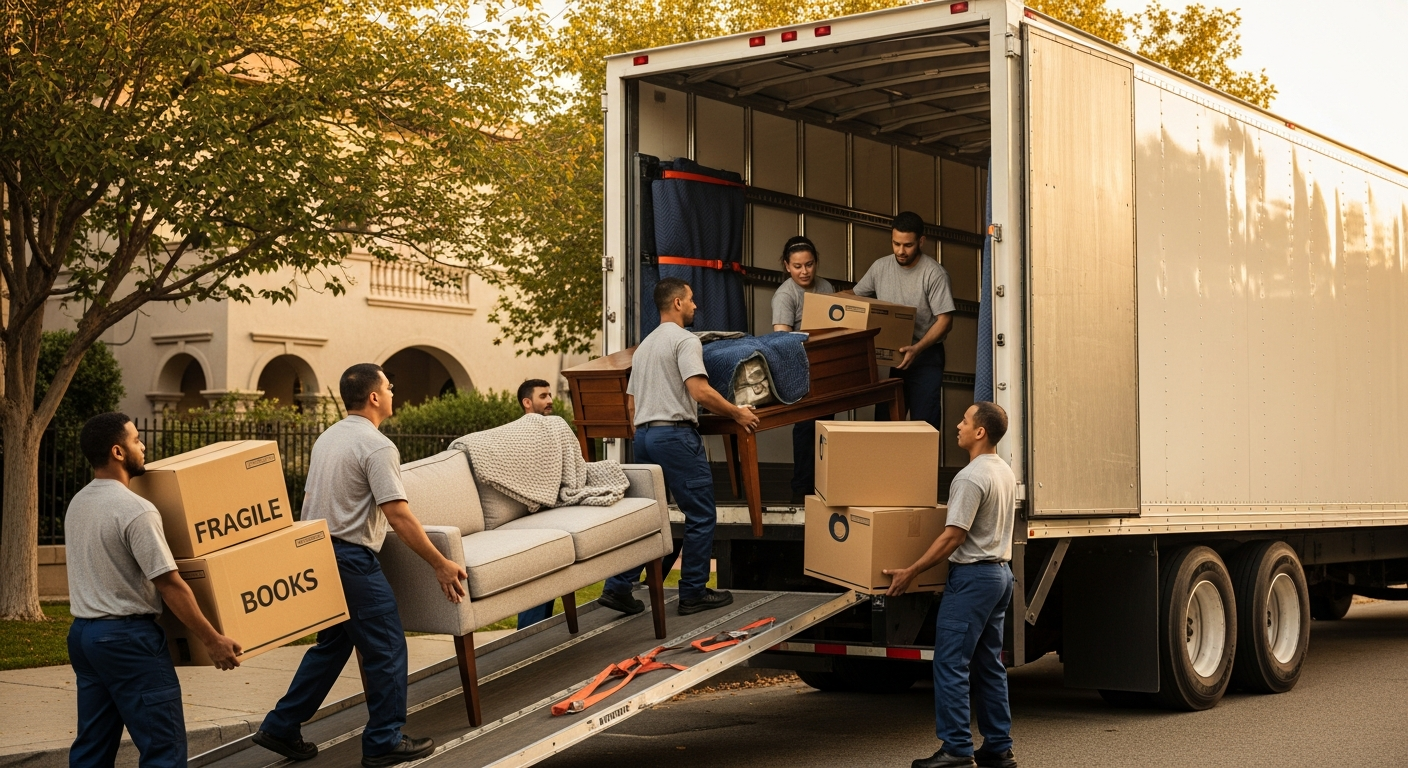
When your possessions are out of sight in a warehouse for weeks, three things give you peace of mind: a solid inventory, clear access rules, and verifiable security.
Inventory
Every item should be tagged and logged with condition notes at load, checked at warehouse intake, and verified again at final delivery. Keep your own copy of the inventory and compare it at delivery. This document is your single best protection against loss.
Access
SIT is not designed for frequent access — your goods are sealed and stacked for efficiency. If you think you will need to retrieve specific items during the storage period, tell the crew in advance so they can stage those items for easier access. Otherwise, expect that retrieving an item mid-storage may involve a handling fee.
Security
Ask about the facility's security: monitored alarms, restricted access, fire suppression, and pest control. A professional warehouse run by an established mover will have all of these.
Before storage, set aside anything you might need during the gap — seasonal clothing, a few kitchen basics, important paperwork — and keep it with you. This avoids paying access fees for items you could have carried. If you want a quote that includes SIT with full inventory tracking, request a free moving quote and ask about warehouse security.
Good inventory discipline turns storage from a leap of faith into a controlled, verifiable process.
How to Plan a Gap Between Homes
If you know there will be a gap between leaving your old home and entering your new one, plan for it deliberately. A little foresight makes SIT seamless.
- Estimate the gap honestly. Add buffer days to closing dates, which often slip. It is cheaper to book a slightly longer SIT window than to scramble.
- Pack a "gap kit." Set aside clothing, toiletries, medications, work essentials, and a few kitchen items to live out of during the gap.
- Confirm delivery flexibility. Ask how much notice the mover needs to schedule out-of-storage delivery once your home is ready.
- Coordinate address changes. Update your mailing address and forwarding so important documents reach you during the transition. Use Canada Post mail forwarding to bridge the gap.
- Budget for the full SIT period. Account for monthly storage in case the gap runs longer than expected.
💡 Pro Tip: Build at least a week of buffer into your storage window. Real estate timelines slip far more often than they hold, and an extra week of SIT is cheap insurance against a missed delivery.
Planning the gap up front turns a stressful unknown into a manageable, scheduled part of your move. A seasoned cross-country moving company does this every week and can guide you through the timing so your delivery lands exactly when you are ready. Coordinating storage into your overall schedule is part of building a complete eight-week long distance moving plan.
Avoiding Common Storage-in-Transit Mistakes
SIT is straightforward when done right, but a few avoidable mistakes cause most of the headaches. Steer clear of these.
- Not confirming the coverage window. Assuming transit insurance extends indefinitely into storage. Always confirm the days in writing.
- Skipping climate control. Storing wood, electronics, or instruments in an unconditioned space, especially over a Canadian winter.
- Losing the inventory. Failing to keep your own copy and verify it at delivery.
- Underestimating the gap. Booking a storage window that is too short and incurring rush fees or scrambling for an extension.
- Forgetting the gap kit. Packing everything into storage and then needing to buy duplicates of essentials.
- Not understanding conversion to permanent storage. Getting surprised when SIT rates and liability change after the window closes.
⚠️ Read before you sign: The storage section of your contract deserves the same scrutiny as the transport section. Confirm rates, the coverage window, the conversion date, and access terms before signing.
Avoiding these mistakes comes down to asking the right questions and getting answers in writing. A reputable long distance moving company welcomes those questions because transparency is what separates professional carriers from the rest. Treat storage as an integral part of your move, not an afterthought, and it will serve you well.
Storage-in-Transit on Major Cross-Canada Routes
Storage-in-transit plays out very differently depending on which corridor your goods travel. Carriers consolidate cross-country shipments through a handful of major hub cities — Toronto, Montreal, Winnipeg, Calgary, and Vancouver — and your SIT warehouse is usually located near the destination hub rather than the origin. Knowing how your route maps onto these hubs helps you plan a realistic gap between homes.
Eastern and Central Corridors
On an Ottawa or Toronto to Halifax move (roughly 1,400 to 1,800 kilometres), line-haul transit runs about 4 to 6 days, and goods bound for the Maritimes often stage in a Moncton or Halifax warehouse. A Toronto to Montreal hop is short enough (about 540 kilometres, 1 to 2 days) that SIT is usually a scheduling convenience rather than a distance necessity. Expect destination handling of roughly $300 to $600 each way plus a monthly storage fee.
Prairie and Western Corridors
Toronto to Calgary (about 3,400 kilometres) typically takes 6 to 9 days of line-haul, while Toronto to Vancouver (about 4,400 kilometres) runs 7 to 12 days, often longer in winter when mountain passes slow trucks. Goods on these routes commonly stage in Winnipeg before continuing west. If your closing date slips, a Calgary or Vancouver SIT warehouse holds your shipment until you take possession.
💡 Pro Tip: Ask your carrier which hub city your goods will pass through and where the SIT warehouse sits. If it is near your destination, last-leg delivery after your closing can happen in 1 to 3 days; if it is back at origin, redelivery across the country could add a week.
Seasonality matters too. From late June through August, warehouse space fills and SIT rates rise with peak demand, while a winter move may face weather holds in the Rockies that extend your storage window. Before locking dates, check long-range road and pass conditions through services like 511 Alberta so you build in realistic buffer days.
Use the gap productively on the destination side: register for your new provincial health plan, line up utilities, and confirm your delivery address with the warehouse. Coordinating these tasks while your goods sit in SIT means a smoother final delivery, much like the planning involved when you handle interprovincial moving paperwork.
Key Takeaway: Your SIT experience hinges on which hub city anchors your route and where the warehouse sits relative to your new home. Confirm both, add buffer days for winter mountain routes, and use the gap to complete destination admin.
Frequently Asked Questions
How long can goods stay in storage-in-transit?
SIT is typically limited to around 90 days, after which it usually converts to permanent or long-term storage with different rates and liability terms. Confirm the exact window with your carrier before you commit.
Is storage-in-transit climate controlled?
Not always by default. You should specifically request climate-controlled storage, especially for wood furniture, electronics, instruments, and artwork — and especially if your goods will be stored over a Canadian winter.
Does my moving insurance cover goods in storage?
Often only for a limited window. Many valuation programs cover transit plus a set number of days of storage before coverage changes. Confirm in writing how long your full value protection follows your goods into the warehouse.
Can I access my belongings while they are in SIT?
SIT is not designed for frequent access since goods are sealed and stacked for efficiency. If you need specific items, tell the crew in advance so they can be staged. Mid-storage retrieval may incur a handling fee.
How much does storage-in-transit cost?
Costs include warehouse handling in and out, plus a monthly storage fee based on volume or weight. For a three-bedroom home, budget a few hundred dollars each way for handling plus a recurring monthly charge. Ask for an itemized estimate.
What is the difference between SIT and self-storage?
SIT keeps your goods under the mover's care and inventory, with the same crew handling final delivery. Self-storage is cheaper per month but you handle loading and unloading yourself, adding handling and breaking the chain of custody.
Should I keep some items with me during storage?
Yes. Pack a "gap kit" with clothing, toiletries, medications, work essentials, and a few kitchen basics so you do not have to pay access fees or buy duplicates during the storage period.