What Makes Long Distance Moving Day Different
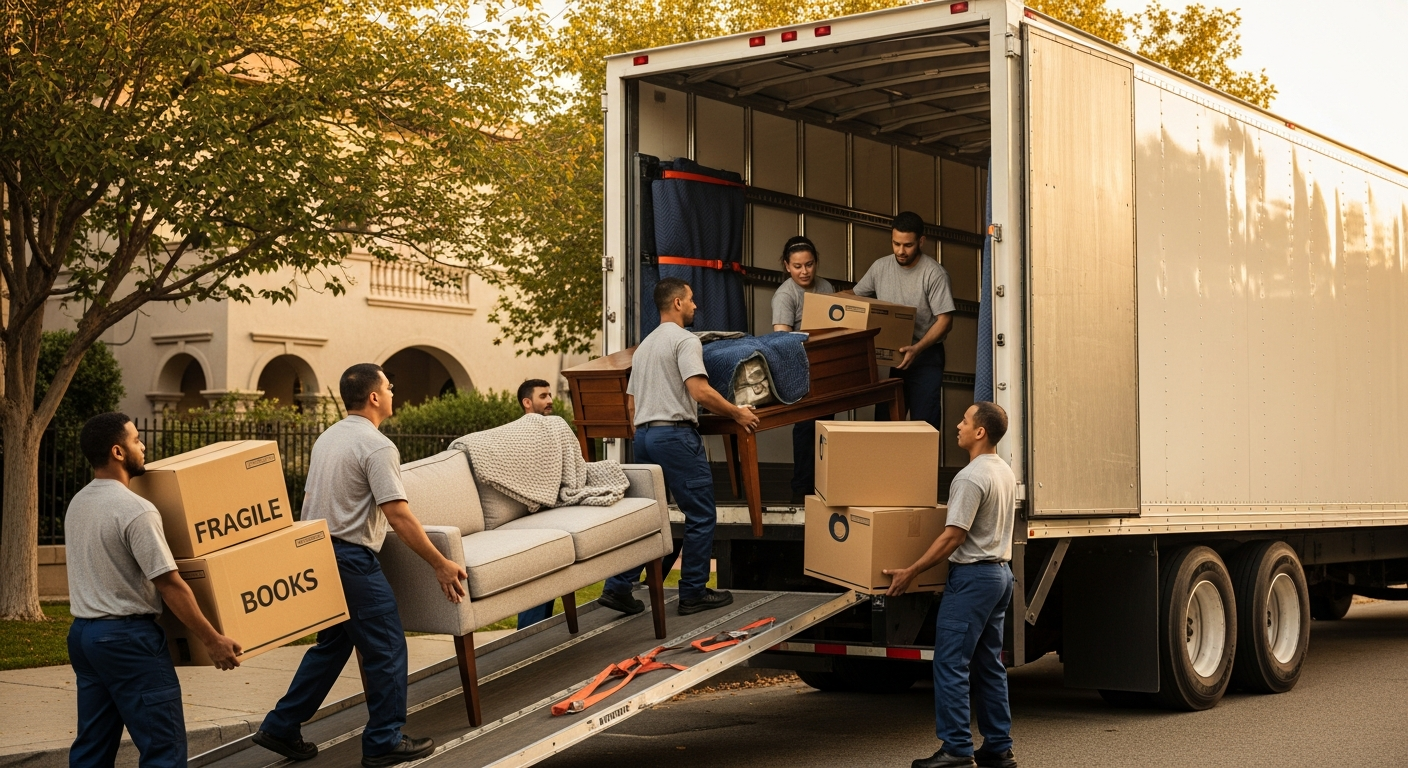
Moving day for a cross-country relocation is a different experience from a local move. Instead of loading and unloading on the same day, your belongings begin a journey that can span thousands of kilometres and several days. Loading day and delivery day are separate events, often a week or more apart, and a great deal happens in between.
Understanding the rhythm of the day in advance removes anxiety and helps you play your part effectively. Your role is largely supervisory: directing the crew, verifying the inventory, protecting your valuables, and confirming the paperwork. The heavy lifting and logistics belong to the professionals.
Key Takeaway: On a long-distance move, loading day and delivery day are distinct. Knowing what happens at each — and what is expected of you — turns a potentially stressful day into a well-orchestrated process.
Working with experienced long distance movers means the day follows a predictable, professional sequence. This guide walks you through it step by step, from the knock on the door to the final signature. Pair it with our 8-week moving timeline so you arrive at moving day fully prepared.
Before the Crew Arrives
The smoothness of moving day is decided in the hours before the crew arrives. A little preparation makes the entire process faster and reduces the chance of mistakes.
Get the Home Ready
- Ensure everything destined for the truck is fully packed and sealed.
- Clear hallways, staircases, and doorways for easy movement.
- Protect floors and door frames if you can, though crews usually bring their own protection.
- Reserve parking close to the entrance for the truck.
Separate Your Personal Items
Set aside everything you will transport yourself — your "first night" boxes, valuables, documents, and irreplaceable items — in a closed room or your vehicle. Label the room clearly as "do not load" so nothing leaves on the truck by accident.
💡 Pro Tip: Be ready at least 30 minutes before your scheduled window opens. Crews often arrive early, and starting promptly keeps a long loading day on schedule.
Have water and a few snacks on hand for the crew, and keep your phone charged and accessible. If you arranged full packing, the crew may have completed it the previous day, in which case loading day moves faster. Either way, a well-prepared home lets a professional long distance movers crew work efficiently. For room-by-room preparation, revisit our cross-Canada moving checklist.
The Crew Arrival and Walkthrough

When the crew arrives, the day begins with introductions and a walkthrough. This is your opportunity to set expectations and flag anything important before a single box is lifted.
The Initial Walkthrough
The crew lead will tour the home with you to understand the scope, identify access challenges, and note items requiring special handling. Use this time to:
- Point out fragile, valuable, or high-priority items.
- Identify your "do not load" room and any items staying behind.
- Discuss disassembly of beds, tables, and large furniture.
- Highlight any tricky access — narrow stairs, tight doorways, or long carries.
Confirm the Plan
Review the day's plan, the estimated loading time, and the delivery window. Confirm contact details for the destination and clarify who will receive the shipment there.
Clear communication during the walkthrough sets the tone for the whole day. The few minutes you spend pointing out priorities and access issues save the crew hours of guesswork.
A seasoned cross-country moving company crew will have reviewed your inventory in advance, but the in-person walkthrough catches details that paperwork misses. Once everyone is aligned, the loading begins.
The Loading Process
Loading a long-distance shipment is a careful, methodical operation. The crew's goal is to protect your belongings for days of transit while making efficient use of truck space.
How Professionals Load
- Furniture protection: pieces are wrapped in moving blankets and stretch film before they leave the home.
- Disassembly: beds, tables, and large items are taken apart, with hardware bagged and labelled.
- Strategic stacking: heavy items go on the bottom, lighter and fragile boxes on top, with everything tightly packed to prevent shifting.
- Securing the load: straps and tie-downs anchor the load against highway vibration.
Your Role During Loading
Stay available to answer questions and make decisions, but let the crew work without crowding them. Keep children and pets safely out of the path. Periodically check that items from your "do not load" room remain untouched.
⚠️ Important: Confirm that hazardous materials, perishables, and restricted plants are not being loaded. These cannot legally travel on a long-distance moving truck across provincial lines.
Loading a full home can take several hours. The investment in careful wrapping and stacking is what protects your belongings over thousands of kilometres. This is where the skill of long distance moving services truly shows — proper loading is the single biggest factor in damage-free delivery. For how items are handled on arrival, see storage-in-transit options if your goods will be held between pickup and delivery.
Inventory and the Bill of Lading
Two documents define a long-distance move: the inventory and the bill of lading. Understanding them protects you throughout the journey.
The Inventory
As items are loaded, the crew creates a numbered inventory listing every item and its condition. Each piece receives a tag, and the condition is noted using a standardized code system. Review this carefully:
- Walk through the inventory with the crew and verify the condition notes.
- Dispute any pre-existing-damage notations you disagree with before signing.
- Keep your copy — you will use it to check off items on delivery.
The Bill of Lading
The bill of lading is your binding contract and receipt. It specifies the services, the agreed price, pickup and delivery details, and the valuation coverage you selected. Read it thoroughly before signing.
⚠️ Important: Never sign a blank or incomplete bill of lading. Confirm the price, services, delivery window, and coverage all match what you agreed to in your contract.
Keep both documents accessible throughout your move. They are your proof of what was shipped, in what condition, and under what terms. A reputable interprovincial moving company will take time to review these with you rather than rushing your signature. For more on protecting your shipment's value, our guidance ties into choosing the right coverage, covered in our moving timeline guide during the admin phase.
Final Walkthrough and Departure
Before the truck leaves, a final walkthrough ensures nothing is forgotten and your old home is left in order.
Sweep Every Space
- Check every room, closet, and cupboard.
- Inspect the basement, attic, garage, and any storage areas.
- Look behind doors and inside built-in furniture.
- Confirm the patio, shed, and outdoor spaces are clear.
Confirm the Logistics
With the crew, reconfirm the delivery window, the destination address, and the contact who will receive the shipment. Exchange direct phone numbers so you can stay in touch during transit.
💡 Pro Tip: Take a few photos of your empty home before locking up — they document its condition for your landlord or new owner and serve as proof you did a thorough sweep.
Once you are satisfied nothing is left behind, the truck departs and your belongings begin their cross-country journey. Now you can turn to your own travel plans. Whether you are flying or driving, align your arrival with the delivery window. A dependable cross-Canada movers team will keep you informed of the shipment's progress. For what comes next on the road, read our companion guide on the transit and storage phase.
What Happens During Transit
Once your shipment is on the road, several days pass before delivery. Knowing what happens during this period eases the natural worry of being separated from your belongings.
The Journey
Your goods travel either on a dedicated truck carrying only your shipment or on a consolidated load shared with other moves heading the same direction. Dedicated transport is faster and more direct; consolidated transport is more economical but has wider delivery windows.
- Dedicated load: direct route, faster delivery, narrower window.
- Consolidated load: shared truck, lower cost, broader delivery window.
Staying Informed
Quality movers provide updates and often GPS tracking so you can monitor your shipment's progress. Keep your phone accessible and respond promptly to any scheduling messages, as confirming the delivery appointment keeps everything on track.
A delivery window of a few days is standard and reasonable for a cross-country move. Distance, weather, and route conditions make a single guaranteed date unrealistic — the window protects both you and the carrier.
Transit can be affected by weather, especially through mountain passes and across the Prairies in winter. Build flexibility into your plans and avoid scheduling anything that depends on an exact delivery hour. A professional nationwide moving company manages these variables and keeps you updated. If your dates do not line up, storage-in-transit bridges the gap by keeping your goods safely in the mover's care.
Delivery Day at Your New Home

After days of anticipation, delivery day arrives. A repeat of moving-day preparation — in reverse — keeps it organized.
Prepare to Receive
- Be present, or have a trusted representative on site.
- Have your inventory copy ready to check off items.
- Decide on room placement in advance using your labelling system.
- Ensure clear access for the truck and pathways into the home.
During Unloading
As each item comes off the truck, check it against your inventory and direct it to the correct room. The crew will reassemble furniture they disassembled and place major pieces where you want them. Stay engaged and keep your inventory in hand.
Key Takeaway: Check every numbered item against your inventory as it is unloaded. This is the moment to catch a missing item or note damage — far easier than discovering it days later.
A good professional long distance movers crew works methodically, placing items thoughtfully rather than leaving a mountain of boxes by the door. Once everything is unloaded and placed, you move into the inspection phase before signing off. For settling in afterward, our checklist's arrival section lays out the first-week tasks.
Inspecting Your Shipment
Before you sign the delivery receipt, inspect your shipment carefully. This step is your protection, and once you sign, your options narrow.
How to Inspect
- Confirm every numbered item on the inventory has been delivered.
- Examine furniture and major items for visible damage.
- Check that boxes marked fragile arrived intact.
- Note any missing items or damage directly on the delivery receipt.
If You Find a Problem
Document everything with photos and clear written notes on the delivery paperwork before signing. You are not expected to unpack every box on the spot, but note any obvious external damage, and inspect high-value items thoroughly.
⚠️ Important: Note any damage or missing items on the delivery receipt before signing. Signing a clean receipt can make it harder to pursue a claim later, so be thorough.
Reputable movers handle claims professionally, especially when you chose full-value protection and documented condition at both ends. Keep your inventory, photos, and the bill of lading together until any claim is resolved. A trustworthy long distance moving company stands behind its service and processes legitimate claims fairly. For the formal claims steps, see the next section.
Payment, Tipping, and Claims
The final administrative steps wrap up your move. Knowing the norms helps you handle them confidently.
Payment
Payment terms are set in your contract and bill of lading. Many long-distance movers require payment on or before delivery, often by specific methods. Confirm the accepted forms of payment in advance so there are no surprises on delivery day.
Tipping
Tipping is customary but not mandatory in Canada. For exceptional service on a demanding cross-country move, a common range is roughly 5 to 10 percent of the total split among the crew, or a flat amount per mover per day. Cash is appreciated and can be given directly to the crew.
- Tip more for difficult access, stairs, heavy specialty items, or extra care taken.
- It is perfectly acceptable to tip the loading and delivery crews separately.
Filing a Claim
If you noted damage or loss, file your claim within the mover's stated window, supported by your inventory, photos, and the bill of lading. Provide clear documentation and a reasonable resolution request.
💡 Pro Tip: Keep all your moving documents together in one folder until any claim is fully resolved. Organized records lead to faster, fairer settlements.
When you book with a reputable cross-country moving company, payment, tipping, and claims are all handled transparently. Ready to plan your move with a company that gets the details right? Request a free moving quote to get started.
Tips for a Smooth Moving Day
A few habits separate stressful moving days from smooth ones. Keep these in mind as the day unfolds.
Stay Organized
- Keep your inventory, contract, and key documents in one accessible folder.
- Label every box clearly and use a colour-coded room system.
- Maintain a visible "do not load" zone for personal items.
Communicate Clearly
- Brief the crew on priorities and special handling during the walkthrough.
- Exchange direct phone numbers for transit and delivery coordination.
- Ask questions whenever something is unclear — a good crew welcomes them.
Take Care of People
- Arrange care for children and pets so they are safe and out of the way.
- Offer the crew water and the use of a washroom.
- Stay calm and patient — a positive tone makes the whole day better.
The most successful moving days are the ones where you prepared thoroughly in the weeks before. By moving day, your job is simply to supervise, verify, and stay out of the way of professionals doing what they do best.
Before the move, verify your company's reputation through reviews and resources like the Better Business Bureau and the Canadian Association of Movers. A well-chosen long distance movers partner makes every step of the day predictable and professional. For complete preparation, work through our 8-week timeline in the weeks leading up to the move.
Frequently Asked Questions
How long does loading take on moving day?
Loading a full home for a long-distance move typically takes several hours, depending on size, access, and the amount of furniture requiring disassembly and wrapping. A one-bedroom may load in two to four hours, while a large home can take a full day. Proper wrapping and stacking take time but protect your goods.
Do I have to be present on moving day?
Yes, you or a trusted representative should be present at both loading and delivery. You need to direct the crew, verify the inventory, sign the bill of lading, and inspect the shipment. Being on site protects your interests at the two most important moments of the move.
Why is delivery a window instead of a fixed date?
Cross-country transit spans days and is affected by distance, route, weather, and whether your goods travel on a dedicated or consolidated truck. A delivery window of a few days accounts for these variables. Movers confirm the appointment as the date approaches.
What should I do if items are damaged on delivery?
Inspect your shipment against the inventory before signing the delivery receipt, and note any damage or missing items directly on the paperwork. Photograph the damage, then file a claim within the mover's stated window using your inventory, photos, and bill of lading as documentation.
Should I tip long distance movers?
Tipping is customary but optional in Canada. For good service, a common approach is roughly 5 to 10 percent of the total divided among the crew, or a flat amount per mover per day. You can tip the loading and delivery crews separately, and cash is appreciated.
What is the bill of lading and why does it matter?
The bill of lading is your binding contract and receipt. It records the services, agreed price, pickup and delivery details, and your valuation coverage. Always read it fully and never sign a blank or incomplete document, as it governs the terms of your entire move.
Can the crew take everything I have packed?
No. Movers cannot legally transport hazardous materials such as fuel, propane, paint, and aerosols across provincial lines, and certain plants face interprovincial restrictions. Perishable food should not be shipped either. Set these items aside for separate handling before the crew arrives.