The Challenge of Moving Furniture Across Canada
Furniture is the most challenging part of any long distance move. Unlike boxes, furniture is heavy, awkwardly shaped, often fragile despite its size, and vulnerable to scratches, dents, structural stress, and upholstery damage. Over a cross-Canada journey of 3,000 to 4,400 kilometres, your sofa, dining table, bed frame, and dressers face days of vibration, multiple lifts through doorways and up stairs, and stacking pressure on the trailer.

The financial stakes are high. Quality furniture represents a significant investment, and antiques or heirloom pieces are often irreplaceable. A single careless lift can crack a table leg, gouge a hardwood surface, or tear leather upholstery. This is why furniture handling is the truest test of a long distance moving company — proper technique here determines whether your pieces arrive in showroom condition or damaged beyond repair.
This guide covers every stage of moving furniture long distance: measuring and planning, safe disassembly, surface protection, professional wrapping, handling specialty pieces, insurance, and reassembly. Whether you hire professionals or tackle it yourself, these principles protect your investment. For broader packing context, pair this with our guide on how to pack for a long distance move across Canada.
Key Takeaway: Furniture is heavy, awkward, and surprisingly fragile over long distances — disciplined disassembly, wrapping, and lifting are essential to avoid costly damage.
Measure and Plan Before You Move Anything
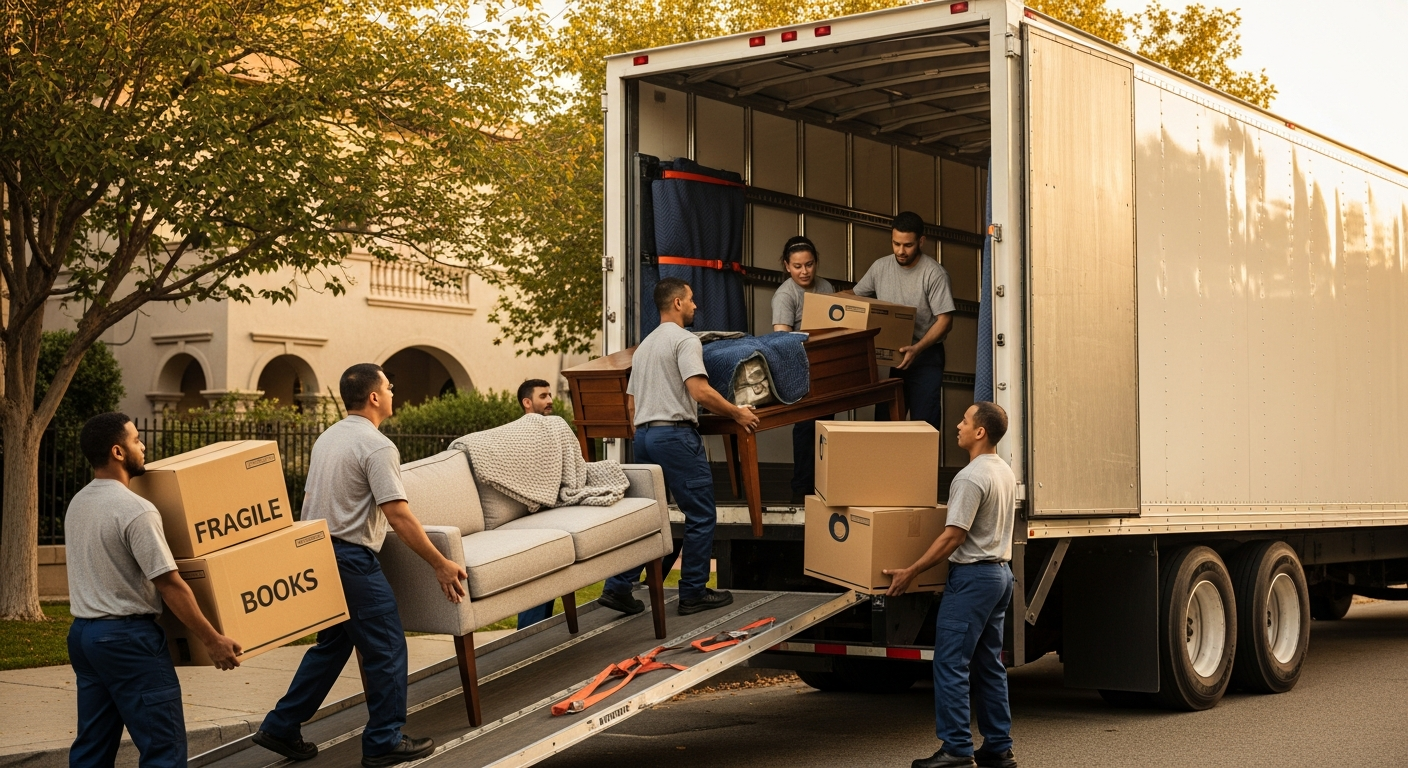
The most common furniture-moving disaster is discovering a large piece will not fit through a doorway, down a staircase, or into the new home — after it is already wrapped and the crew is on the clock. Measuring in advance prevents this entirely.
What to Measure
- Each large piece: Height, width, and depth, including the diagonal for tight turns.
- Every doorway along the exit path at both homes.
- Hallways, staircases, and landings for clearance and turning radius.
- Elevators if moving from or into an apartment or condo.
Compare furniture dimensions against these openings to identify problem pieces early. If a sofa will not clear the door, you have time to plan disassembly, remove a door, hoist through a window, or decide the piece is not worth moving. Sketch a simple exit route for each large item so the crew works efficiently on loading day.
💡 Pro Tip: Photograph each piece of furniture from multiple angles before disassembly. These photos guide reassembly and document the pre-move condition in case you need to file a damage claim later.
Planning is also where you decide what is worth shipping at all. Some bulky, low-value pieces cost more to move across Canada than to replace at the destination — a calculation we explore in the final section. A professional long distance movers survey will flag oversized items and access challenges during your estimate, and pairing this with a room-by-room packing plan keeps the whole project organized.
Disassembling Furniture the Right Way
Disassembling furniture reduces its size, lowers the risk of damage, and saves space (and therefore cost) on the truck. Knowing what to take apart and how to keep track of the pieces is essential.
What to Disassemble
- Bed frames: Almost always — headboards, footboards, rails, and slats.
- Tables: Remove legs from dining and coffee tables where possible.
- Modular sofas and sectionals: Separate into sections.
- Shelving units and bookcases: Remove shelves; flat-pack pieces often disassemble fully.
- Desks and entertainment units: Remove legs, drawers, and detachable hutches.
Keeping Track of Hardware
The biggest disassembly headache is losing screws, bolts, and brackets. For each piece, place all hardware in a labelled zip-top bag and tape it securely to a part of the furniture (the underside of a tabletop, for example). Keep an assembly diagram or photos with the bag. Number matching parts with removable labels so reassembly is foolproof.
⚠️ Particleboard Caution: Flat-pack and particleboard furniture often does not survive repeated disassembly and a long haul intact. Screw holes strip and panels crack. For these pieces, weigh whether moving is worthwhile versus replacing at your destination.
If you are unsure how to disassemble a complex piece, photograph each step as you go. Full-service crews from a quality interprovincial moving company handle disassembly and reassembly as part of the service, which removes this burden entirely. For specialty items like pianos, never attempt disassembly yourself — see our dedicated guide to moving a piano across Canada.
Protecting Wood, Glass, and Upholstery
Different furniture surfaces require different protection strategies. Matching the right materials to each surface prevents the scratches, cracks, and stains that ruin furniture in transit.
Wood Surfaces
Wood scratches and dents easily and is sensitive to moisture. Never apply tape or stretch wrap directly to finished wood — it can lift the finish. Instead, wrap the piece in furniture blankets first, secure the blankets with stretch wrap, and add corner protectors to vulnerable edges. For fine or antique wood, soft moving pads plus a moisture barrier are ideal.
Glass Components
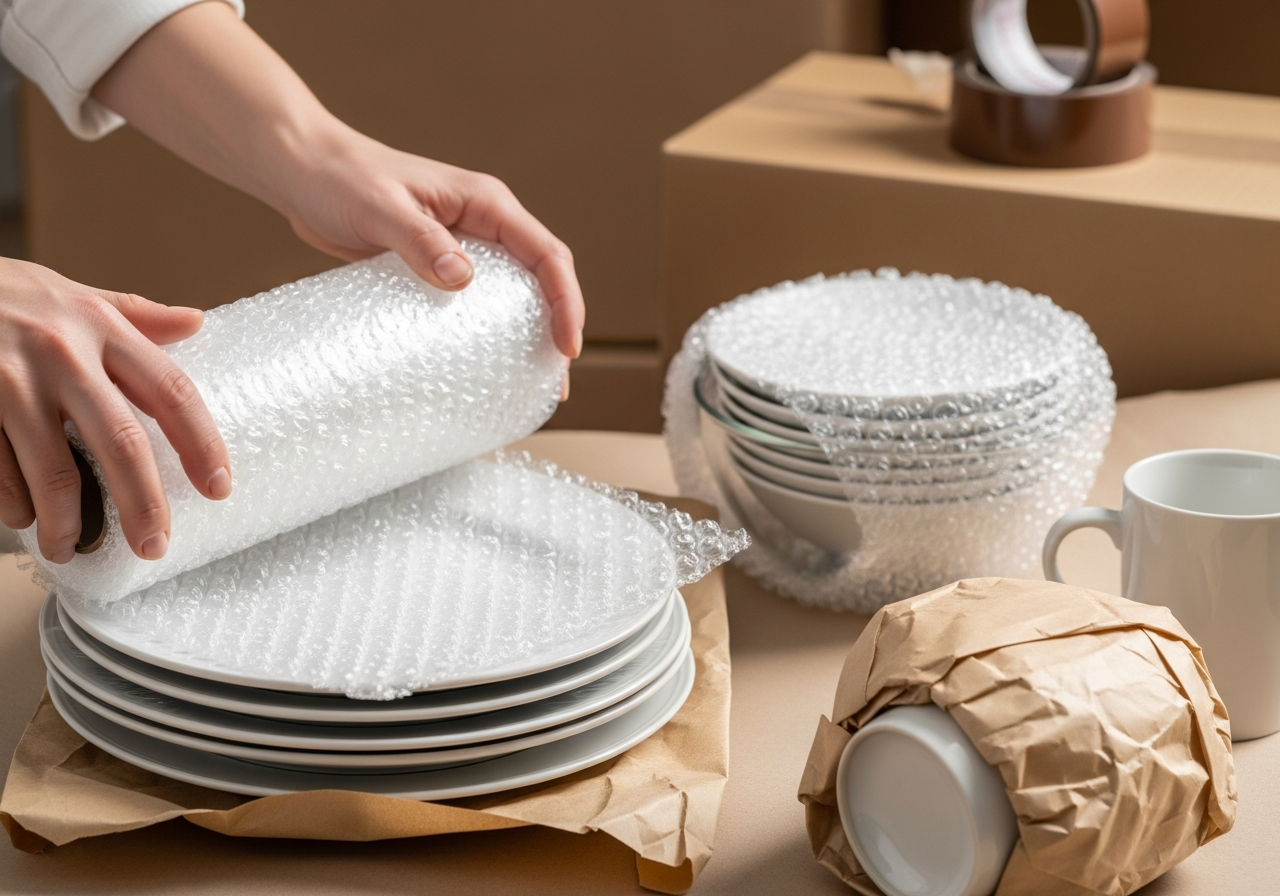
Remove glass tabletops, shelves, and cabinet doors whenever possible and transport them separately in picture or mirror cartons. Tape a large X across glass to contain shattering, then wrap in bubble wrap and a blanket. Never leave glass attached to a frame during a long haul.
Upholstery and Leather
Fabric and leather attract dust, moisture, and tears. Cover upholstered pieces fully with furniture blankets or breathable plastic covers (avoid trapping moisture against leather for days). Vacuum and clean upholstery before wrapping so nothing is ground into the fabric in transit.
💡 Pro Tip: Use corner protectors on every wooden and upholstered piece. Corners take the worst impacts during loading, doorway navigation, and stacking — protecting them prevents the most common furniture damage.
For valuable upholstered and leather pieces, full liability coverage matters; understanding your long distance moving insurance options ensures you are protected if damage occurs. A meticulous cross-country moving company uses surface-specific materials on every piece as standard practice.
Wrapping and Padding Techniques
Proper wrapping is what carries your furniture safely through days of highway vibration and repeated handling. The goal is full coverage with no exposed surfaces and no movement of components.
The Wrapping Sequence
- Clean the piece so dust and debris are not ground into surfaces.
- Apply furniture blankets over all surfaces, paying special attention to corners and edges.
- Secure with stretch wrap over the blankets — never directly on wood or leather.
- Add corner protectors to edges most likely to take impacts.
- Immobilize moving parts: Tape or wrap drawers, doors, and reclining mechanisms closed (tape on the blanket, not the furniture).
For pieces with cushions, remove and bag them separately so they stay clean and the frame wraps tightly. For glass-fronted cabinets, wrap the glass independently as described earlier. The finished piece should be fully padded with no hard surface exposed and no parts able to shift.
⚠️ Never Wrap Leather in Plastic for Days: Trapping leather under non-breathable plastic across a multi-day move can cause moisture damage and mildew. Use furniture blankets or breathable covers instead, especially for storage-in-transit.
Stretch wrap is also invaluable for keeping drawers and doors closed so they do not swing open and break during transit. Professional long distance movers carry an ample supply of blankets, corner guards, and stretch wrap on every job — one more reason full-service handling protects valuable furniture so effectively.
Handling Specialty and Heavy Pieces
Some furniture demands specialized handling beyond standard wrapping. Attempting these pieces without the right equipment and experience risks injury and serious damage.
Pianos
Pianos are extremely heavy, internally delicate, and require dollies, ramps, and trained crews. Never attempt a piano move yourself on a long haul — see our complete guide to moving a piano across Canada for specifics.
Large Appliances
Refrigerators, washers, and dryers must be disconnected, drained, and secured. Refrigerators should be defrosted and dried 24 hours in advance; washing machines need transit bolts installed to protect the drum. Secure doors and cords for transport.
Antiques and Heirlooms
Irreplaceable antiques often warrant custom wooden crating for maximum protection. Document condition thoroughly with photos and any appraisals before the move.
Oversized and Awkward Pieces
Sectional sofas, armoires, and pool tables may require disassembly, extra crew, or even hoisting through windows when they will not clear doorways.
💡 Pro Tip: Use furniture sliders under heavy pieces to move them across floors without lifting or scratching surfaces — they dramatically reduce strain and the risk of floor damage.
For any specialty piece, professional handling is strongly recommended. A reputable nationwide moving company has the dollies, ramps, straps, crating, and trained crews to move pianos, appliances, and antiques safely across the country. Confirm specialty-item experience and credentials through the Canadian Association of Movers before you book.
Safe Lifting and Loading Furniture
Even perfectly wrapped furniture can be damaged — and movers injured — by improper lifting and loading. These techniques protect both your belongings and your back.
Safe Lifting Technique
- Lift with your legs, keeping your back straight and the load close to your body.
- Use two or more people for anything heavy or awkward; never muscle a piece alone.
- Use dollies and straps rather than carrying long distances.
- Plan the route and clear obstacles before you lift.
- Communicate — one person calls the moves so the team lifts and turns in sync.
Loading Furniture on the Truck
Heavy furniture is loaded first, low, and against the cab wall to anchor the load. Pieces are stood upright where appropriate, strapped to the truck's tie-rails, and never stacked in a way that puts weight on delicate surfaces. Blanket-wrapped furniture forms the stable base of each tier, with boxes packed tightly around and on top. Mattresses ride on edge against a wall in their protective bags.
⚠️ Never Stack Heavy Items on Upholstered Furniture: Sofas and mattresses compress under weight over days of transit, leaving permanent dents. Load them where nothing heavy rests on top.
Proper loading is a skill built through experience. This is one of the strongest arguments for full-service movers on a long haul — a trained professional long distance movers crew loads furniture so it stays secure across thousands of kilometres. If self-loading, take your time, use plenty of straps, and follow the same principles outlined in our loading and protecting your shipment section.
Furniture Insurance and Valuation Coverage
Despite the best precautions, accidents can happen over thousands of kilometres. Understanding your coverage before the move ensures you are protected if a valuable piece is damaged.
Released Value vs Full Value Protection
Movers typically offer two basic levels of liability. Released Value Protection is the no-cost default but covers only about $0.60 per pound per item — woefully inadequate for furniture. A 40-kilogram dresser would be covered for roughly $50 regardless of its actual worth. Full Value Protection costs more but covers the repair, replacement, or cash value of damaged items, making it the sensible choice for quality furniture.
Third-Party and Homeowner Coverage
For high-value antiques and heirlooms, third-party moving insurance or a rider on your home policy may offer broader protection. Check whether your existing policy covers belongings in transit.
Documentation Is Everything
Photograph each piece before the move, keep receipts and appraisals for valuables, and note any pre-existing wear. At delivery, inspect immediately and record damage on the paperwork before the crew leaves. This documentation is the backbone of any successful claim.
Key Takeaway: Choose Full Value Protection for quality furniture, document every piece before the move, and inspect at delivery — default coverage is far too low to replace damaged furniture.
For a complete breakdown of coverage tiers, deductibles, and how to file a claim, see our dedicated guide on long distance moving insurance in Canada. A transparent long distance moving company explains your valuation options clearly during the estimate.
When to Move, Sell, or Replace Furniture
Not every piece of furniture is worth shipping across Canada. Because long distance moves are priced by weight and volume, large or heavy items can cost more to transport than to replace at your destination. A clear-eyed assessment before packing can save real money.
Worth Moving
- Quality solid-wood and well-built pieces
- Antiques, heirlooms, and items with sentimental value
- Custom or hard-to-replace furniture
- Recent, expensive purchases in excellent condition
Consider Selling or Replacing
- Inexpensive flat-pack furniture that may not survive disassembly and transit
- Bulky, low-value items where shipping cost exceeds replacement cost
- Worn or damaged pieces nearing the end of their life
- Furniture that will not suit your new home's layout or style
Run a simple calculation: estimate the cost to move a piece (roughly proportional to its share of your shipment's weight and volume) against the cost to buy a comparable replacement at your destination. For bulky budget furniture, replacing often wins. Selling unwanted pieces before the move also generates cash and reduces your shipment size.
💡 Pro Tip: Sell or donate unwanted furniture three to four weeks before moving day. This shrinks your shipment, lowers your cost, and avoids the rush of last-minute disposal. Pair this with our early packing schedule for a smooth, organized move.
When you have decided what stays and what goes, a cross-Canada movers estimator can quote your finalized inventory accurately. Get a free moving quote based on what you are actually shipping for the most reliable price. For donation and resale, community marketplaces and charities such as those listed by the Better Business Bureau can connect you with reputable organizations.
Frequently Asked Questions
Should I disassemble furniture before a long distance move?
Yes — disassembling bed frames, tables, modular sofas, and shelving reduces size, lowers damage risk, and saves space (and cost) on the truck. Keep all hardware in labelled bags taped to each piece and photograph the disassembly so reassembly is easy. Full-service movers handle disassembly and reassembly as part of the service.
How do I protect wood furniture during a cross-country move?
Never apply tape or stretch wrap directly to finished wood. Wrap each piece in furniture blankets first, secure the blankets with stretch wrap, and add corner protectors to vulnerable edges. For fine or antique wood, add a moisture barrier. Clean the surface before wrapping so debris is not ground into the finish.
Is it worth moving cheap furniture across Canada?
Often not. Because long distance moves are priced by weight and volume, bulky budget furniture can cost more to ship than to replace at your destination, and flat-pack pieces may not survive disassembly and transit. Compare the moving cost against replacement cost and sell or donate low-value items before you move.
How is furniture covered if it gets damaged in transit?
Default Released Value Protection covers only about $0.60 per pound, which is far too low for furniture. Choose Full Value Protection, which covers repair or replacement value. For antiques and heirlooms, consider third-party insurance. Always document pieces with photos before the move and note any damage at delivery.
Can I move large appliances long distance?
Yes, but they need preparation. Defrost and dry refrigerators 24 hours ahead, install transit bolts in washing machines to protect the drum, disconnect and drain water lines, and secure doors and cords. Professional movers handle appliance disconnection and securing as part of a full-service move.
How do I keep drawers and doors from opening in transit?
Wrap the piece in furniture blankets and secure stretch wrap over the blankets to hold drawers and doors closed — never tape directly on the furniture. For heavy drawers, remove and pack the contents separately, then immobilize the empty drawers so they cannot swing open and break during transit.
What should I check when furniture arrives at my new home?
Inspect each piece as it comes off the truck, comparing it against your pre-move photos. Note any scratches, dents, or damage on the delivery paperwork before the crew leaves, since claims are far harder to win after sign-off. Confirm all hardware bags and disassembled parts are present before reassembly.
Should I hire professionals to move heavy or specialty furniture?
For pianos, large appliances, antiques, and oversized pieces, professional handling is strongly recommended. Trained crews have the dollies, ramps, straps, and crating to move these items safely, plus full liability coverage. Attempting them without the right equipment risks injury and serious, often irreparable, damage.