Winnipeg to Vancouver: Route Overview
Moving from Winnipeg to Vancouver trades the heart of the Prairies for the Pacific coast — a 2,300 kilometre westbound journey across Saskatchewan and Alberta and over the Rocky and Coast mountain ranges into British Columbia. People make this move for milder winters, ocean and mountain lifestyle, and opportunities in BC's tech, film, and trades sectors.
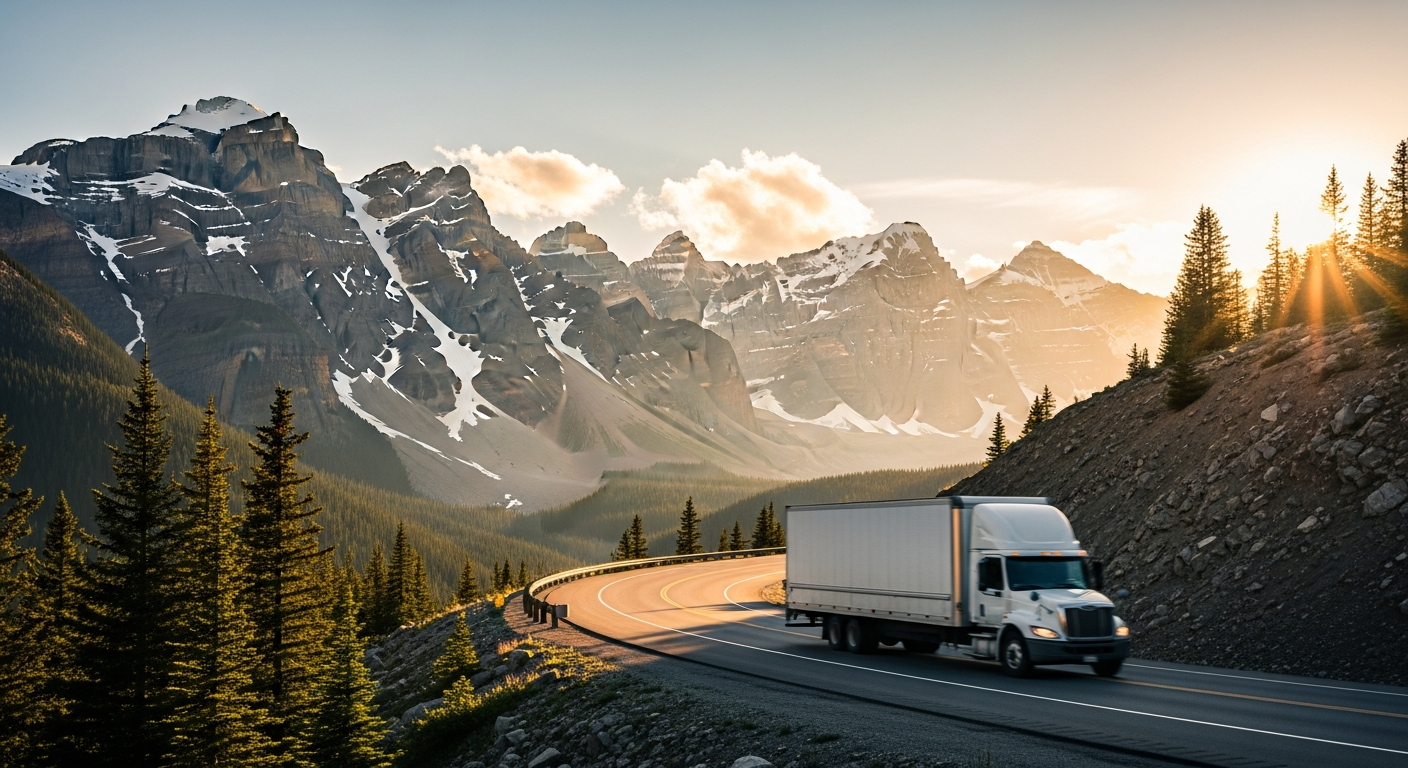
This guide covers everything you need for a 2026 Winnipeg-to-Vancouver move: realistic Canadian dollar costs by home size, transit windows, route detail, seasonal advice, and how to vet movers experienced with mountain driving. At roughly 2,300 km this is one of the shorter cross-Canada corridors, but the mountain passes near the BC coast demand seasoned long distance movers who respect grades, weather, and chain-up conditions.
Key Takeaway: A Winnipeg-to-Vancouver move covers about 2,300 km and typically takes 3-4 days in transit. Costs run from roughly $3,600 for a studio to $22,000+ for a large home. Book 5-8 weeks ahead and mind mountain weather in winter.
The 2,300 km Route and What Makes It Unique
The standard Winnipeg-to-Vancouver route runs the Trans-Canada Highway west across the open Prairies through Brandon, Regina, and Calgary, then climbs into the Rocky Mountains near the Alberta-BC border, descends through the BC interior, and finally crosses the Coast Mountains and Fraser Valley into Metro Vancouver.
Two Distinct Phases
- The Prairie Phase (Winnipeg to Calgary, ~1,330 km): Flat, fast, open highway where trucks make excellent time. Weather extremes — summer storms, winter blizzards — are the main variable.
- The Mountain Phase (Calgary to Vancouver, ~970 km): Steep grades, switchbacks, and rapidly changing conditions through the Rockies and Coast Mountains. This is the technically demanding part of the trip.
Because the second half is all mountains, the right cross-Canada moving crew checks DriveBC and 511 Alberta for pass conditions and closures before and during the haul. Chain-up requirements and winter closures on routes like the Coquihalla and Rogers Pass are routine considerations for experienced drivers.
If you are comparing prairie logistics more broadly, our guide on moving across the Canadian Prairies sets the eastern half of this route in context, and our national cost guide explains how distance shapes price.
Transit Time and Delivery Windows
A dedicated, single-truck Winnipeg-to-Vancouver move usually takes 3 to 4 days of driving. The fast Prairie leg keeps the early going quick, while the mountain leg slows the pace for safety. Adding loading and unloading, a dedicated door-to-door move typically runs 5-7 days.
Your delivery options:
- Dedicated truck: 3-4 days transit with a precise delivery date. Premium pricing.
- Consolidated load: 6-11 day window and the best value through shared trailer space.
- Economy / flexible window: 11-16 days, lowest cost, ideal for loose timelines.
💡 Pro Tip: Winter mountain passes can shift a delivery date, so request a guaranteed window in writing. Dependable professional long distance movers commit to a date range and explain how they handle pass closures.
Because this is a shorter cross-Canada route, dedicated service is more affordable here than on coast-to-coast moves — worth considering if you need a firm delivery date in Vancouver.
How Much It Costs by Home Size (2026)
Winnipeg-to-Vancouver pricing reflects shipment size and service tier. Realistic 2026 full-service ranges in Canadian dollars:
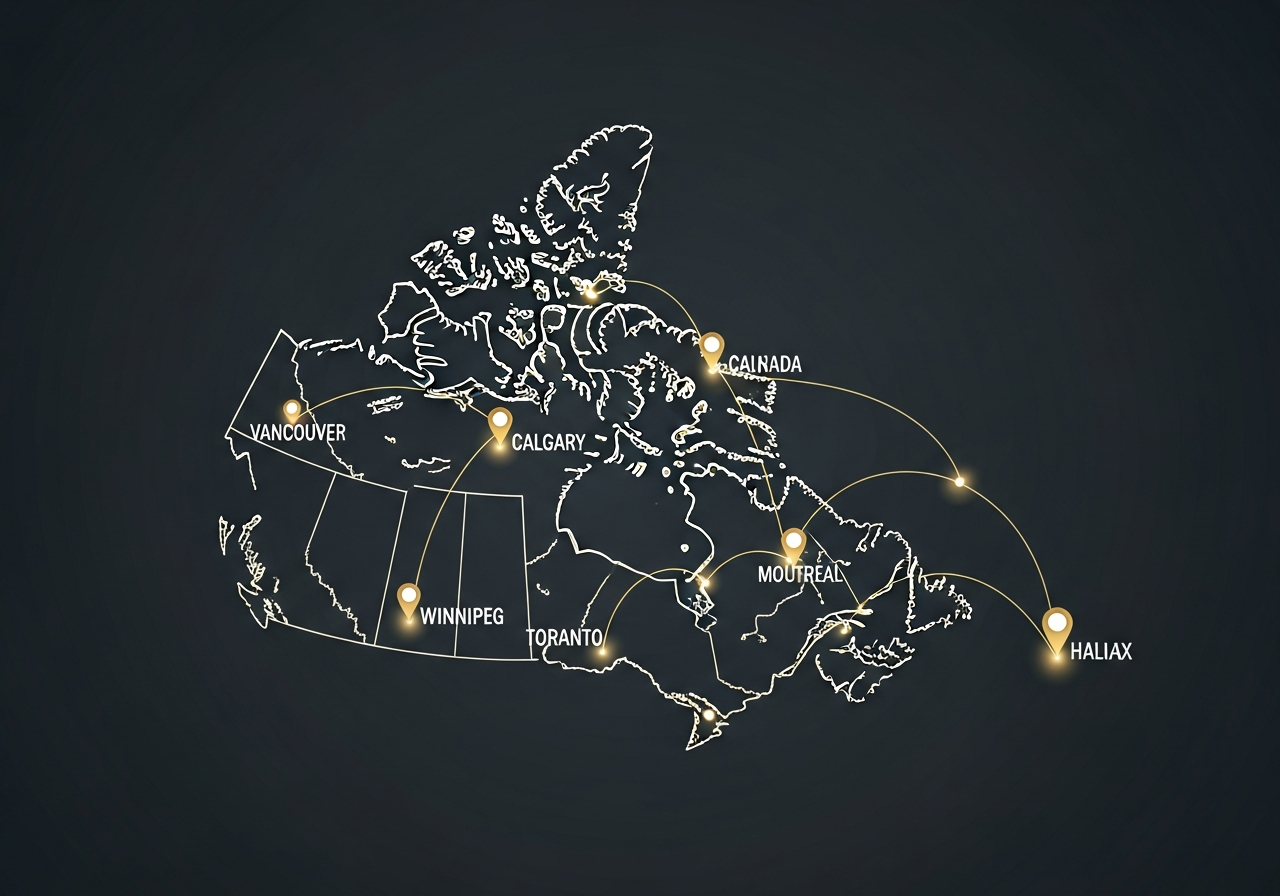
- Studio / 1-bedroom apartment: $3,600-$6,000
- 2-bedroom apartment or condo: $5,500-$8,800
- 3-bedroom house: $7,800-$12,500
- 4-bedroom house: $11,000-$16,500
- 5+ bedroom or luxury home: $15,500-$23,000+
These ranges generally include loading and unloading, basic valuation coverage, blankets and furniture protection, and door-to-door transit. Add-ons such as full packing ($450-$1,600), storage-in-transit, specialty crating, and upgraded insurance are extra.
At roughly 2,300 km, Winnipeg-to-Vancouver is one of the more affordable cross-Canada corridors, generally pricing below the longer Toronto and Montreal routes. For the full national methodology, see our Canadian long distance moving cost guide.
Keep in mind that while the move itself is comparatively inexpensive, Vancouver's housing market is among the most expensive in Canada, so budgeting for first and last month's rent, damage deposits, and higher day-to-day costs matters as much as the moving quote. Many people relocating from Winnipeg downsize before the move to fit a smaller coastal home and to trim their shipment weight at the same time — a double benefit. When you request estimates, ask each mover to itemize fuel surcharges, mountain-route handling, and any shuttle fees for tight Vancouver streets so you can compare like with like. The most transparent quote, not simply the lowest, is the one that will hold true at delivery.
Even on a shorter route, mountain access in Vancouver — narrow streets, high-rise elevator bookings, and tight loading zones — can add labour fees, so factor destination access into your comparisons.
What Affects Your Final Price
Understanding the cost drivers lets you shape your budget instead of simply reacting to quotes.
The Biggest Cost Drivers
- Shipment weight/volume: The top factor. Decluttering before packing lowers cost the most.
- Service tier: Full packing versus self-pack can swing the total by $1,000 or more.
- Season: Summer rates run 20-30% above winter pricing.
- Access: Vancouver high-rises with elevator bookings, long carries, or shuttle requirements add labour.
- Specialty items: Pianos, safes, pool tables, and large appliances require extra crew and equipment.
- Insurance level: Basic valuation is included; full-replacement coverage is a worthwhile upgrade across mountain terrain.
⚠️ Watch Out: A quote dramatically lower than the rest is a warning sign. Lowball estimates can balloon at delivery with surprise stair, weight, or long-carry fees. Insist on a binding or not-to-exceed estimate.
A trustworthy long distance moving company performs a virtual or in-home survey before quoting, because phone-based volume guesses lead to disputes at delivery.
Best Time of Year to Make This Move
On a route defined by mountain passes, season is especially important.
Season by Season
- Summer (June-August): Best mountain driving conditions but the highest prices and tightest availability. Book early.
- Fall (September-October): Often the best value with good weather before passes get snowy, plus softer pricing.
- Winter (November-March): Lowest cost and most flexibility, with genuine risk on the Coquihalla, Rogers Pass, and other mountain routes. Experienced crews handle winter passes routinely.
- Spring (April-May): Moderate pricing and improving conditions, though high passes can still see late snow.
For a broader prairie-and-mountain perspective, our guide on moving across the Canadian Prairies explains how weather windows shift along this corridor.
💡 Pro Tip: If you move in winter, choose a mid-week date so your crew has the flexibility to wait out a mountain storm rather than driving a pass during a closure.
Packing and Preparing for the Mountain Crossing
Even on a 2,300 km route, the constant motion and the steep grades of mountain passes put real stress on your belongings. Packing to a long-haul standard prevents shifting and breakage.
Packing Essentials for the Road
- Use double-walled boxes for heavy and fragile items and never overpack a single box.
- Fill all void space with paper or padding so contents cannot move on mountain switchbacks.
- Blanket-wrap and shrink-wrap furniture, and disassemble large pieces to save space.
- Pack a labelled "first-night" box of essentials for before the truck reaches Vancouver.
- Label every box by room with a short contents note to speed unloading.
Mountain grades mean loads can settle and shift more than on flat highway, so secure stacking and full boxes matter even more here. Decluttering first remains the highest-return task — every box you skip is money saved. Selecting long distance moving services that include professional packing ensures your household is prepared for the demands of a mountain crossing.
If you are downsizing, build in time to sort, donate, and sell before packing day so you ship only what counts.
Shipping Your Vehicle and Specialty Items
Driving Winnipeg to Vancouver is about 23 hours behind the wheel — manageable in summer but daunting over winter mountain passes. Many movers ship their vehicle for safety and convenience.
Vehicle Shipping Basics
- Open transport: The economical standard, typically $1,000-$1,600 for a sedan on this route.
- Enclosed transport: Premium protection for high-value vehicles, often $1,900-$3,200+.
- Coordination: Schedule vehicle delivery with your household goods so you are never without transport.
Moving to BC means registering and insuring your vehicle with ICBC, the province's public insurer. You can review federal carrier standards at Transport Canada. For more on car shipping economics, see our detailed guide on shipping a car across Canada.
Specialty items — pianos, art, antiques, and gym equipment — need custom crating and careful handling on mountain routes. Disclose them upfront so your mover plans the right crew and equipment.
Confirm your mover's good standing with the Canadian Association of Movers before handing over keys or valuables.
Settling In: Address and Admin Tasks in BC
When the truck arrives in Vancouver, BC's provincial administrative tasks begin. Starting early prevents coverage gaps.
Your Post-Move Admin Checklist
- Health coverage: Enrol in BC's Medical Services Plan promptly, as a waiting period may apply.
- Driver's licence and vehicle: Exchange your Manitoba licence and register and insure your vehicle with ICBC within the required window.
- Address changes: Update the Canada Revenue Agency and your other records.
- Mail forwarding: Activate Canada Post mail forwarding from your Winnipeg address.
- Utilities and services: Disconnect in Manitoba and connect BC hydro, gas, and internet before move-in.
Keep a running checklist for the first few weeks. Our moving budget guide helps you plan these transition costs alongside the move.
Choosing the Right Long Distance Mover
For a mountain route, a mover's driving experience matters as much as their packing. Choose a company that handles BC passes regularly.
What to Verify Before You Book
- Mountain experience: Ask how often they run Prairie-to-BC routes and how they handle winter passes.
- Insurance and licensing: Confirm full liability coverage and valid credentials; membership in the Canadian Association of Movers is a strong signal.
- Reputation: Read independent reviews and check the Better Business Bureau.
- Transparent quoting: Require a written, binding or not-to-exceed estimate after a survey.
- Tracking and communication: GPS tracking and a single contact ease a multi-day mountain move.
A capable interprovincial moving company answers these clearly and commits in writing. For the eastern half of this corridor, our guide on moving across the Prairies highlights the same standards.
How to Save Money on a Winnipeg-to-Vancouver Move
This is already one of the more affordable cross-Canada routes, and smart planning trims the bill further.
Proven Savings Strategies
- Declutter first: Sell or donate before packing to lower your shipment weight.
- Choose a consolidated load: Sharing trailer space west is the easiest saving with flexible dates.
- Move off-peak: Avoid summer and month-end; winter and mid-month moves cost less.
- Pack what you can: Handling your own non-fragile boxes reduces the full-service surcharge.
- Compare three detailed quotes: Align service tier, insurance, and delivery window first.
💡 Pro Tip: On a shorter route like this, a dedicated truck is more affordable than on coast-to-coast moves — sometimes worth the small premium for guaranteed mountain-pass timing.
Start with a free moving quote and review our detailed cost breakdown so you negotiate from knowledge. A little research saves real money at delivery.
Settling Into Vancouver: Neighbourhoods, Housing Costs, and Climate
Trading the Prairies for the Pacific coast is as much a lifestyle change as a logistical one. Winnipeg's dry continental climate and famously affordable housing give way to Vancouver's mild, rainy winters and one of the most expensive real-estate markets in Canada. Knowing what waits at the far end of the 2,300 km haul helps you set a realistic budget and pick the right neighbourhood before the truck even leaves Manitoba.
What Housing Really Costs in Vancouver
The biggest adjustment for most Winnipeggers is price. As of early 2026, a one-bedroom apartment in the City of Vancouver commonly rents for $2,400-$2,900 per month, a two-bedroom $3,300-$4,200, and a detached home routinely lists well north of $1.8 million. Compare that with Winnipeg, where a one-bedroom often runs $1,300-$1,600, and the jump becomes obvious. Many newcomers soften the blow by looking beyond the downtown core to transit-connected communities such as Burnaby, New Westminster, Coquitlam, or Surrey, where rents can run 15-25% lower.
Budget rule of thumb: expect your monthly housing cost to roughly double moving from Winnipeg to central Vancouver. Factoring that in before you sign a lease prevents an expensive surprise after a cross-country move.
Choosing the Right Neighbourhood
- Kitsilano and Point Grey: Beachy, walkable, and popular with professionals and families; among the pricier west-side options.
- Mount Pleasant and East Vancouver: Younger, more creative, and relatively better value with strong transit and a lively food scene.
- Burnaby and the Tri-Cities (Coquitlam, Port Moody): More space for the money, family-friendly, and tied to downtown by the SkyTrain.
- North Shore (North and West Vancouver): Mountains and ocean at your doorstep, ideal for outdoor lovers, with a calmer pace and longer commute.
- Richmond and Surrey: The most affordable larger options, well connected by the Canada Line and a good fit for first-time arrivals testing the market.
Adjusting to the Coastal Climate
The other major shift is weather. Vancouver swaps Winnipeg's -25°C deep freezes and snow-shovelling for mild, grey winters that hover around 3-8°C with persistent rain from November through March. You will likely retire your heaviest parka and invest in quality rain gear and waterproof footwear instead. The flip side is a long, temperate growing season and access to mountains, ocean, and trails year-round.
⚠️ Watch Out: Vancouver's wettest stretch runs late fall through winter. If you arrive in that window, protect cardboard boxes from rain at unloading and confirm your building's elevator-booking and loading-bay rules in advance — many downtown towers require reservations.
💡 Pro Tip: Set up a Compass Card before you arrive. Vancouver's integrated SkyTrain, SeaBus, and bus network can replace a second vehicle entirely, which helps offset the higher rent that comes with the move.
Beyond Rent: Everyday Costs
Housing is the headline, but the smaller line items add up too. Vancouver grocery and restaurant prices typically run 5-15% above Winnipeg, and fuel frequently sits 30-50 cents per litre higher because of regional and carbon taxes — often $1.90-$2.10 per litre versus the lower Prairie pumps. There is some good news: British Columbia eliminated monthly MSP health premiums back in 2020, so basic provincial coverage no longer carries the payroll-style fee that older relocation guides still mention.
- Auto insurance: BC runs through the public ICBC system, and premiums are often higher than Manitoba's MPI rates — get a quote before you register a vehicle.
- Recreation and lifestyle: Budget for more outdoor spending (ski passes, kayaking, hiking gear) that the coastal setting practically invites.
- Parking: If you keep a car downtown, monthly parking commonly runs $200-$350 on top of insurance and fuel.
For current, detailed cost-of-living and rental figures across Vancouver and the Lower Mainland, the data published by Statistics Canada is the most reliable national benchmark to plan against. If you are weighing other British Columbia destinations or comparing the broader corridor, our companion guide to Toronto to Vancouver movers covers how the same Pacific arrival looks from a longer eastern origin.
Key Takeaway: Expect your housing cost to roughly double versus Winnipeg, plan for a milder but much wetter climate, and lean on Vancouver's strong transit network. Choosing a transit-connected suburb like Burnaby or Coquitlam can keep your new-city budget realistic after the 2,300 km move.
Frequently Asked Questions
How long does a Winnipeg to Vancouver move take?
Dedicated-truck transit is typically 3-4 days of driving over the roughly 2,300 km route, plus loading and unloading for a 5-7 day door-to-door move. Consolidated shipments deliver within a 6-11 day window at lower cost.
How much does it cost to move from Winnipeg to Vancouver in 2026?
Expect about $3,600-$6,000 for a studio or one-bedroom, $5,500-$8,800 for a two-bedroom, $7,800-$12,500 for a three-bedroom house, and $15,500-$23,000+ for a large home. Weight, season, service tier, and access drive the final figure.
Is this a cheaper move than from Toronto or Montreal?
Yes. At roughly 2,300 km, Winnipeg-Vancouver is shorter than the coast-to-coast routes from Toronto or Montreal, so it generally costs less for the same home size.
Are the mountain passes a problem in winter?
Experienced movers handle BC passes like the Coquihalla and Rogers Pass year-round, but winter closures and chain-up conditions can affect timing. Ask your mover how they monitor DriveBC and adjust schedules for weather.
Should I ship my car or drive it?
Driving is about 23 hours — fine in summer but tough over winter passes. Shipping via open transport typically runs $1,000-$1,600 and lets you fly to Vancouver instead of tackling the mountains yourself.
When is the cheapest time to move?
Winter offers the lowest prices and best availability, with mountain weather as the trade-off. Fall is often the best balance of cost and conditions. Mid-week, mid-month dates are cheapest year-round.
What admin do I need to handle in BC?
Enrol in BC's Medical Services Plan, exchange your Manitoba licence and register and insure your vehicle with ICBC, update your CRA address, and set up Canada Post mail forwarding. Start these in your first week in Vancouver.