Understanding the Prairie Provinces
The Canadian Prairies — Manitoba, Saskatchewan, and Alberta — form the broad heartland between the Canadian Shield and the Rocky Mountains. Moving across this region, whether from Winnipeg to Calgary or Regina to Edmonton, means crossing wide-open landscapes, big-sky horizons, and some of the fastest highway driving in the country.

Prairie moves are popular for work in agriculture, energy, and trades, and for families drawn to the region's affordability and community feel. While the flat terrain makes for easier driving than the mountains or the Shield, the Prairies bring their own challenges — extreme weather, long distances between services, and the same provincial paperwork that comes with any interprovincial move. Working with long distance movers who know the region keeps everything on track.
Key Takeaway: Prairie moves feature fast, flat driving but demand respect for extreme weather and long gaps between services. Plan around the conditions and the journey is straightforward.
This guide covers distances, costs, weather, and the administrative steps for relocating across the Prairie provinces in 2026.
Distances Across the Prairies
The Prairie provinces stretch across roughly 1,500 km from the Manitoba–Ontario border to the Alberta–BC boundary. Common intra-Prairie and Prairie-spanning distances include:
- Winnipeg to Regina: ~570 km
- Regina to Calgary: ~760 km
- Winnipeg to Calgary: ~1,330 km
- Winnipeg to Edmonton: ~1,300 km
- Saskatoon to Edmonton: ~525 km
These distances are modest compared with a full coast-to-coast haul, which makes Prairie moves more affordable and quicker than crossing the entire country. Many Prairie moves connect to longer journeys — for example, a Winnipeg to Vancouver move continues west through the mountains beyond the Prairie edge.
The Trans-Canada Highway (Hwy 1) and the Yellowhead Highway (Hwy 16) are the two main east-west corridors. Knowing your route helps you set realistic timelines and choose a carrier familiar with Prairie driving.
Transit Times and Route Realities
Thanks to flat terrain and high-speed highways, Prairie transit is quick. Typical professional transit windows in 2026:
- Winnipeg to Regina: 1–2 days
- Winnipeg to Calgary or Edmonton: 2–3 days
- Regina to Calgary: 1–2 days
- Saskatoon to Edmonton: 1 day
Add loading and unloading time on each end. Because the distances are shorter, consolidation delays are less pronounced than on transcontinental moves, and dedicated trucks are more affordable. The main variable on the Prairies is weather, not terrain — a winter storm can hold a truck for hours, while summer driving is typically fast and uneventful.
Prairie distances are short enough that many moves can use a dedicated truck affordably, giving you a tighter delivery window than a long transcontinental haul.
For moves continuing beyond the Prairies, our broader guide on moving from Eastern to Western Canada covers the full corridor. Experienced cross-Canada movers adjust schedules around Prairie weather to keep your move on time.
What a Prairie Move Costs in 2026
Because Prairie distances are shorter, costs are lower than full cross-country moves. Realistic 2026 ranges (door-to-door, CAD) for a Prairie-spanning move such as Winnipeg to Calgary:
- 1-bedroom: $2,500–$4,500
- 2-bedroom: $4,000–$6,500
- 3-bedroom: $6,000–$10,000
- 4+ bedroom: $9,500–$16,000+
Shorter intra-province moves (such as Saskatoon to Edmonton) sit at the lower end. Add costs for full packing, storage, and specialty items. For a complete understanding of how movers calculate these figures, see our detailed breakdown of long distance moving costs in Canada.
💡 Pro Tip: Because Prairie moves are relatively short, the fixed costs of crew and truck make up a larger share of the bill. Getting multiple quotes matters even more when the distance is modest.
Request a written, itemized estimate from a transparent long distance moving company so you can compare apples to apples.
Prairie Weather Through the Seasons
The Prairies are famous for weather extremes, and the season you move in shapes the whole experience.
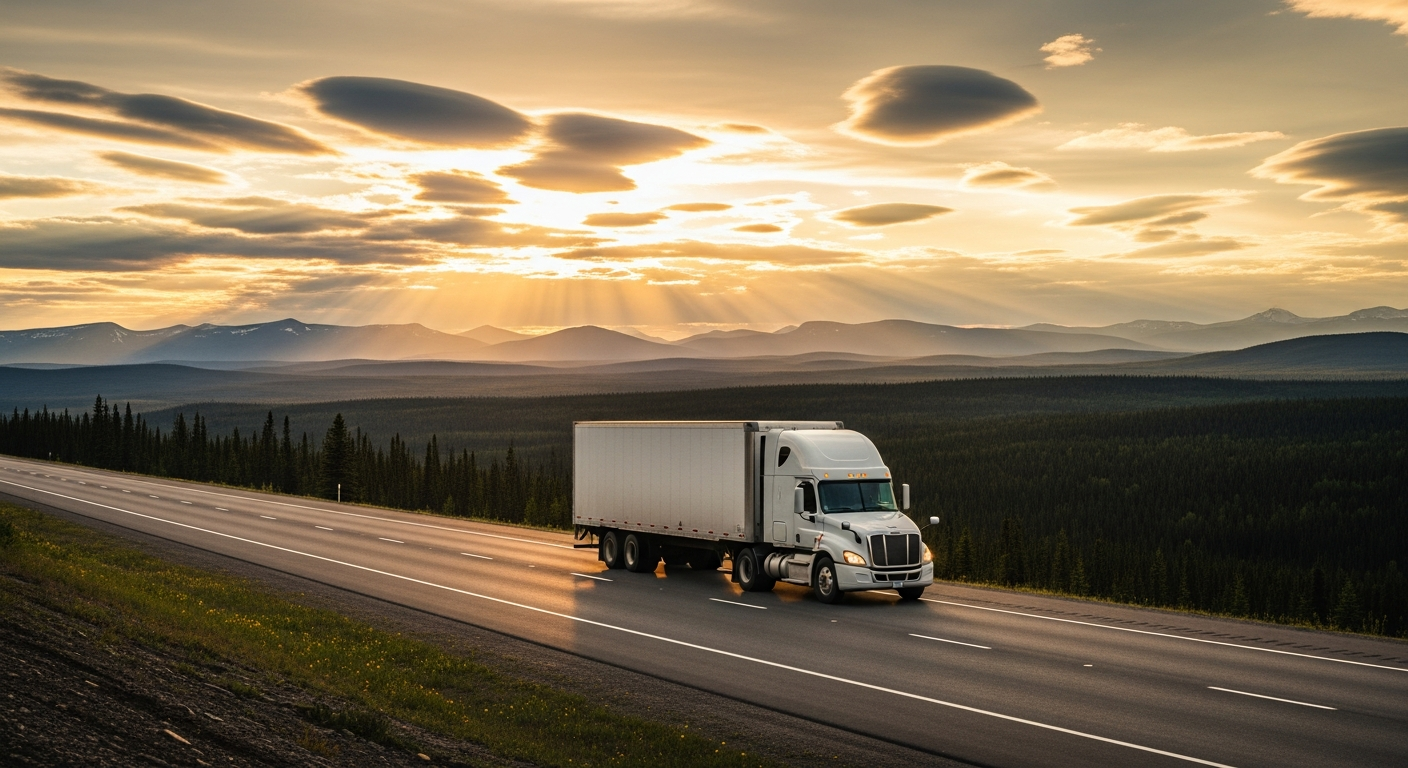
Winter
Bitter cold, ground blizzards, and whiteouts are the main hazards. Visibility can drop to near zero in minutes, and highways occasionally close. Movers will wait out the worst conditions for safety.
Summer
Hot, dry, and generally excellent for driving, though severe thunderstorms and the rare tornado can pass through quickly. Summer is the easiest season for a Prairie move.
Spring and Fall
Shoulder seasons offer good value and generally cooperative weather, with the occasional late or early storm. Spring can bring rapid melt and the rare flooded secondary road, while fall typically delivers crisp, stable driving conditions before the first snow — making it many movers' favourite window on the Prairies.
Temperature swings are part of Prairie life. A single day in spring or fall can shift by twenty degrees or more, and overnight frost is common well into May and again by early autumn. For a move, that means morning loading may happen in near-freezing conditions even when the afternoon is warm, so plan for slippery walkways early in the day and protect any temperature-sensitive items accordingly.
⚠️ Ground Blizzards: Even on a clear day, wind can lift loose snow into a whiteout on open Prairie highways. Check road conditions before travel and never pressure a driver to push through one.
Use 511 Alberta for Alberta highway conditions and check Manitoba and Saskatchewan road services for the rest of the route.
Driving the Trans-Canada Across the Prairies
Whether your movers drive the truck or you follow in your own vehicle, the Prairie leg is the fastest part of any cross-Canada journey — but the long, monotonous stretches and limited services call for preparation.
Route Notes
- Highway 1 (Trans-Canada): The southern route through Regina and Medicine Hat into Calgary.
- Highway 16 (Yellowhead): The northern route through Saskatoon into Edmonton.
- Services: Fuel and rest stops can be far apart; top up the tank in towns rather than waiting.
If you are driving your own car alongside the move, carry an emergency kit, plenty of water, and a charged phone, and watch for crosswinds that buffet high-profile vehicles. Federal Transport Canada hours-of-service rules govern the professional drivers handling your shipment, which is why even short Prairie hauls include scheduled rest.
💡 Pro Tip: Strong, steady crosswinds are common on open Prairie highways. Reduce speed in gusty conditions, especially if you are towing or driving a tall vehicle.
Knowing the route and its rhythms makes the Prairie crossing the smooth, efficient leg it should be.
Cost of Living and Lifestyle on the Prairies
The Prairie provinces are often chosen for affordability and quality of life, though the picture differs across the three provinces.
Manitoba
Among the most affordable housing markets in Canada, with Winnipeg offering city amenities at a lower cost than larger centres.
Saskatchewan
Strong affordability, a resource-driven economy, and a tight-knit community feel in cities like Regina and Saskatoon.
Alberta
No provincial sales tax and historically strong wages in the energy and trades sectors. Calgary and Edmonton offer big-city amenities with home prices below Toronto and Vancouver, though costs have risen with in-migration.
Research the specifics for your destination using Statistics Canada data on housing and incomes. The Prairies generally reward newcomers with lower living costs and a strong sense of community.
For many households, the Prairie lifestyle — affordable housing, short commutes, and easy access to the outdoors — is the main draw, not just the move itself.
Administrative Steps Between Prairie Provinces
Moving between Manitoba, Saskatchewan, and Alberta is still an interprovincial move, so the same administrative steps apply.
Key Updates
- Health card: Register in your new province; expect a waiting period before coverage starts, and keep your old card active until then.
- Driver's license: Exchange within the deadline (typically 90 days).
- Vehicle registration and insurance: Re-register and update your policy in the new province.
- CRA and benefits: Update your address with the CRA change of address service.
Set up mail forwarding through Canada Post as a safety net. For the full administrative roadmap, our guide on planning a cross-Canada move complements a dedicated change-of-address checklist.
⚠️ Health Coverage: Do not cancel your old province's health card until your new coverage is active. The waiting period is bridged by your former province only if you remain registered.
Packing for Prairie Conditions
Prairie packing follows standard long-distance best practices with a few weather-specific considerations.
General Best Practices
- Use sturdy, double-walled boxes and plenty of cushioning.
- Label every box by room and contents for fast unloading.
- Keep an essentials box and a suitcase with you during transit.
Weather Considerations
- Winter: Protect electronics and wood furniture from cold and condensation; let them acclimate before use.
- Summer: Heat can build inside a closed trailer; avoid packing heat-sensitive items like candles or certain electronics against exterior walls.
- Dry air: The arid Prairie climate can affect wood and instruments — acclimate them gradually after arrival.
💡 Pro Tip: The Prairies are dry year-round. If you are moving from a humid eastern climate, give wood furniture and musical instruments time to adjust to avoid cracking.
Solid packing combined with weather awareness keeps your belongings safe across the open Prairie highways, whether you pack yourself or hire professionals to handle the fragile items.
Choosing a Prairie-Savvy Mover
The right mover makes any relocation easier, and Prairie experience matters — knowledge of the routes, the weather, and the long gaps between services.
What to Look For
- Documented experience on Prairie routes and connecting corridors
- Membership in the Canadian Association of Movers
- Proper licensing and full insurance coverage
- Strong independent reviews and a clean Better Business Bureau record
- A written, itemized estimate after a proper survey
Verify these credentials before you book, and ask how the company handles Prairie weather delays. A confident, transparent answer is the mark of an experienced interprovincial moving company. When you are ready to compare options, request a free moving quote and review each estimate carefully.
Bringing the Prairie Move Together
A move across the Canadian Prairies is among the more manageable long-distance relocations: shorter distances, fast highways, lower costs, and affordable destinations. The keys to success are respecting the weather, planning realistic timelines, handling the interprovincial paperwork, and choosing a route-experienced mover.
Break the project into clear stages — research and budget, get and compare estimates, plan your packing, sort the admin, and confirm logistics — and the journey across the heartland becomes straightforward. With dependable cross-country moving company crews who know the Prairie corridors, even a winter move across the open plains can be smooth and well-organized.
Key Takeaway: Prairie moves are short, fast, and affordable by cross-Canada standards. Plan around the weather, handle the paperwork, and pick a route-savvy mover for a seamless relocation.
Whether you are settling within the Prairies or using them as the gateway to the West, careful planning turns the big-sky crossing into one of the easiest legs of your moving journey.
Prairie City Profiles for New Arrivals
The Prairies are far more than the flat stretch of highway between Ontario and the Rockies. Three provinces and a string of distinctive cities give new arrivals a real choice of cost, climate, and career. Here is how the main Prairie destinations compare.
Winnipeg and Brandon, Manitoba
Manitoba's capital anchors the eastern Prairies and is the first big city westbound movers reach after the long Northern Ontario crossing. It offers a diverse economy — manufacturing, finance, health care, and the arts — alongside some of the most affordable housing of any major Canadian city. The trade-off is climate: Winnipeg winters are long and bitterly cold, with January lows that rival anywhere in the country. Brandon, about 215 km west on the Trans-Canada, is a smaller, even cheaper alternative with a strong agricultural base.
Regina and Saskatoon, Saskatchewan
Saskatchewan's two main cities sit roughly 260 km apart. Regina, the capital, is a government and insurance hub, while Saskatoon, on the South Saskatchewan River, leans toward mining, agriculture, and a growing university-driven tech scene. Both rank among the most affordable provincial centres in Canada, with short commutes and quick access to open country. Winters are cold and dry but unusually sunny, and summers are warm and long.
Calgary, Alberta
About 1,330 km west of Winnipeg, Calgary is the largest Prairie city and a magnet for interprovincial movers. Alberta levies no provincial sales tax, wages in energy, finance, and tech are strong, and the Rockies are an hour to the west. Winter chinook winds can lift temperatures by 15 degrees in hours, giving Calgary milder spells than its latitude suggests. Housing has climbed with migration but still undercuts Toronto and Vancouver.
Edmonton, Alberta
Alberta's capital, three hours north of Calgary on the QEII Highway, offers some of the most affordable big-city housing in the West, a large public-sector and university job base, and the gateway to northern Alberta's resource economy. Winters are colder and longer than Calgary's, and plug-in block heaters are standard in driveways and parking lots.
Smaller Prairie Centres
Between the big cities, places like Lethbridge and Medicine Hat in southern Alberta, Red Deer halfway between Calgary and Edmonton, and Moose Jaw near Regina offer lower costs, short commutes, and tight-knit communities. They suit movers who want Prairie affordability without big-city traffic, though job markets are narrower and some specialized services require a drive to a larger centre.
Distances Between Prairie Hubs
One of the quiet advantages of Prairie life is how close the major centres sit by Canadian standards. Winnipeg to Regina is about 570 km, an easy six-hour drive on a divided highway; Regina to Saskatoon is roughly 260 km; Saskatoon to Edmonton about 525 km; and Calgary to Edmonton just under 300 km on the QEII. That means weekend trips between cities are realistic, and you are rarely more than a few hours from a major airport, a tertiary hospital, or a big-box shopping corridor. For movers, those short hops also keep intra-Prairie relocation costs low — many can be completed in a single day with one crew, avoiding the overnight and consolidation charges that drive up longer cross-Canada moves.
💡 Pro Tip: If your work is location-flexible, a smaller Prairie city can cut your housing cost dramatically while keeping you within a two-hour drive of a major airport and hospital. Map your essential services before you choose.
To compare current housing prices, population growth, and median incomes across these cities, check the city-level data published by Statistics Canada before you commit to a destination. If your Prairie move is only one leg of a longer journey, our guide to moving from Eastern to Western Canada sets the corridor in context.
⚠️ Winter Plug-In Reality: Across Saskatchewan, Manitoba, and northern Alberta, a vehicle without a working block heater may not start on the coldest mornings. Budget for the heater and look for plug-in parking when you choose a home.
Key Takeaway: From affordable Winnipeg and the sunny Saskatchewan capitals to booming Calgary, value-driven Edmonton, and a string of smaller centres, the Prairies offer a genuine range of destinations. Match the city to your budget, career, and winter tolerance.
Frequently Asked Questions
How far is it across the Canadian Prairies?
The Prairie provinces span roughly 1,500 km. Common moves include Winnipeg to Calgary (~1,330 km), Winnipeg to Edmonton (~1,300 km), and Saskatoon to Edmonton (~525 km).
How much does a Prairie move cost?
In 2026, a Winnipeg-to-Calgary move runs roughly $2,500–$4,500 for a one-bedroom and $6,000–$10,000 for a three-bedroom, door-to-door. Shorter intra-province moves cost less.
How long does it take to move across the Prairies?
Transit is quick thanks to flat terrain and fast highways — typically 1–3 days depending on the route, plus loading and unloading. Winnipeg to Calgary is usually 2–3 days.
What is the biggest hazard when moving across the Prairies?
Weather, especially winter ground blizzards that cause sudden whiteouts. Movers will wait out dangerous conditions, so build a little flexibility into your delivery window in winter.
Is the cost of living lower on the Prairies?
Generally yes. Manitoba and Saskatchewan have some of Canada's most affordable housing, and Alberta has no provincial sales tax with historically strong wages. Research your specific destination for the full picture.
Do I need to change my health card moving between Prairie provinces?
Yes. Any interprovincial move requires registering for a new health card, exchanging your driver's license, and re-registering your vehicle. Keep your old health card active until new coverage begins.
When is the best time to move across the Prairies?
Summer offers the easiest driving conditions, while fall provides a good balance of weather and price. Winter has the lowest rates but requires planning around blizzards and extreme cold.