Should You Ship or Drive Your Car?
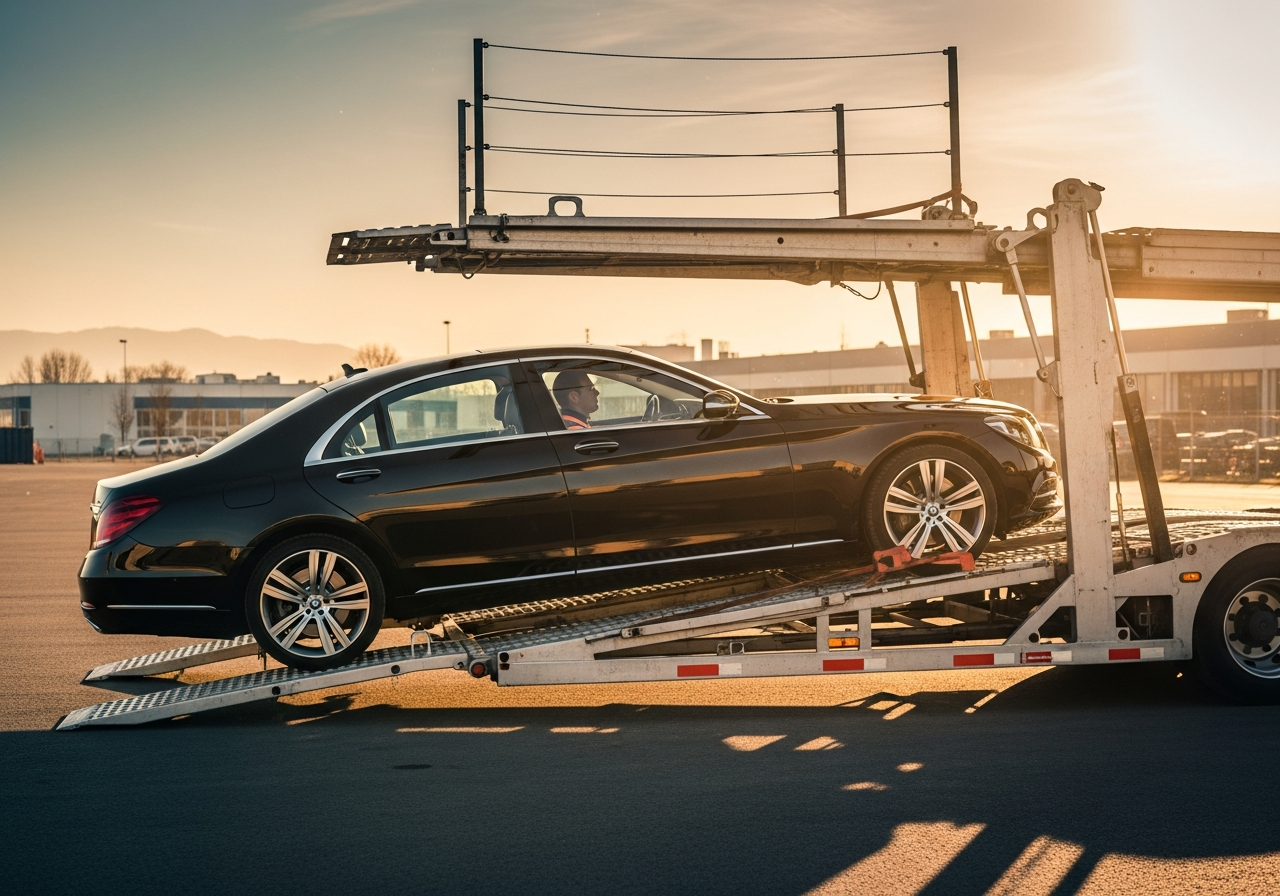
When you move across Canada, your vehicle has to get there somehow. The two options are simple to name but harder to choose between: drive it yourself, or ship it on an auto carrier. The right answer depends on distance, time, the value of your car, and how the rest of your move is structured.
Driving from, say, Toronto to Vancouver is roughly 4,400 kilometres — about 45 to 50 hours behind the wheel, or five to seven days of realistic driving with overnight stops. That means fuel, several nights of hotels, meals, and significant wear on your vehicle, plus the fatigue of long highway days. Shipping eliminates all of that, letting you fly to your destination while a professional carrier handles the drive.
Key Takeaway: For moves over about 2,000 kilometres, shipping your vehicle often costs about the same as driving once you factor in fuel, hotels, meals, and wear — without the days of fatigue.
Many families find that coordinating vehicle shipping alongside their household move through a single long distance moving company simplifies the entire relocation. This guide walks through how car shipping works, what it costs in 2026, how to prepare your vehicle, and the registration steps you must handle when you arrive in a new province.
How Car Shipping Across Canada Works

Auto transport is a well-established industry, and the process is more straightforward than most people expect. Here is the typical flow for a cross-Canada vehicle shipment.
- Quote and booking. You provide the vehicle make, model, condition, and the origin and destination cities. The carrier quotes a price and a pickup window.
- Inspection and pickup. At pickup, the driver documents the vehicle's condition with a detailed inspection report and photos. You sign off on the existing condition.
- Transport. Your car travels on a multi-vehicle carrier (or an enclosed trailer) along the cross-country route, often the same corridors as household moving trucks.
- Delivery and inspection. At delivery, you inspect the vehicle against the pickup report and note any new damage before signing.
💡 Pro Tip: Take your own date-stamped photos of the vehicle from every angle at both pickup and delivery. Independent documentation is your best protection if you need to file a damage claim.
Cross-country transit times typically range from about three days on shorter routes to seven to ten days on the longest hauls, depending on the corridor and weather. A reputable cross-country moving company will give you a realistic delivery window rather than an unrealistic promise. Coordinating the vehicle's arrival with your household goods is part of understanding the overall cost of moving across Canada.
Open vs Enclosed Auto Transport
The single biggest choice in car shipping is open versus enclosed transport. Each has clear trade-offs.
Open Transport
Open carriers are the multi-car haulers you see on the highway, carrying vehicles on an exposed two-level trailer. It is the most common and most affordable option. Your car is exposed to weather and road debris during transit, but for everyday vehicles on a cross-Canada haul, open transport is perfectly adequate and the industry standard.
Enclosed Transport
Enclosed carriers fully protect the vehicle inside a covered trailer, shielding it from weather, road salt, and debris. It costs significantly more — often 40% to 80% above open transport — but it is the right choice for luxury, classic, exotic, or high-value vehicles where any cosmetic risk is unacceptable.
For a typical family sedan, SUV, or pickup, open transport offers the best value. Reserve enclosed transport for vehicles where protection from road salt and debris justifies the premium — particularly relevant given Canada's heavily salted winter highways.
If you are shipping during winter, ask how the carrier handles road salt exposure. Salt is corrosive, and a long haul across salted prairie and mountain highways can leave a film that should be washed off promptly on arrival. A knowledgeable professional long distance movers team will advise on the best option for your specific vehicle and season.
What Shipping a Car Costs in 2026

Car shipping cost depends primarily on distance, but several other factors move the number. Here are realistic 2026 ranges for cross-Canada vehicle transport.
- Shorter hauls (under 1,500 km, e.g. Toronto–Halifax): roughly $900 to $1,600 for open transport
- Medium hauls (Toronto–Calgary, ~3,400 km): roughly $1,400 to $2,200 open transport
- Long hauls (Toronto–Vancouver, ~4,400 km): roughly $1,700 to $2,800 open transport
Factors that increase cost include enclosed transport, larger vehicles (SUVs, trucks, vans cost more than sedans), non-running vehicles that need winching, door-to-door service in remote areas, and peak-season demand. Winter routes through mountain passes can also carry a premium.
⚠️ Beware lowball quotes: Suspiciously cheap auto transport quotes often come from brokers who cannot actually fulfill them at that price, leading to delays or a "renegotiated" higher rate later. Get a firm, written quote.
When you bundle vehicle shipping with your household move through one nationwide moving company, you often gain coordination benefits and a single point of accountability. Always confirm whether the vehicle quote is firm or an estimate, and factor it into your overall budget alongside the other administrative costs of moving provinces.
Door-to-Door vs Terminal-to-Terminal
Auto transport offers two delivery models, and the difference affects both convenience and price.
Door-to-Door
The carrier picks up your vehicle as close to your origin address as safely possible and delivers it as close to your destination as possible. It is the most convenient option and the most common for residential moves. In dense urban areas or narrow streets, the driver may ask to meet at a nearby large parking lot where the carrier can safely manoeuvre.
Terminal-to-Terminal
You drop your vehicle at a transport terminal near your origin and pick it up at a terminal near your destination. It can be cheaper, but it adds the hassle of getting to and from terminals and may involve storage fees if you cannot retrieve the vehicle promptly.
💡 Pro Tip: For most cross-country household moves, door-to-door is worth the modest premium. You are already coordinating a complex relocation — the convenience of having your car picked up and delivered near home is significant.
Ask your carrier which terminals they use and whether terminal storage is free for a few days or billed daily. A transparent interprovincial moving company will lay out both options clearly so you can weigh convenience against cost.
Insurance and Liability for Vehicle Transport
Your vehicle is one of the most valuable things you will move, so understanding transport insurance is essential.
Licensed auto carriers carry cargo insurance that covers your vehicle while it is on their truck. However, coverage limits and deductibles vary, and some policies exclude personal items left inside the vehicle. Always ask for proof of the carrier's cargo insurance and confirm the coverage amount before booking.
Your own auto policy may also provide some coverage during transport. Check with your insurer — in British Columbia, that means contacting ICBC, while other provinces use private insurers. Confirm whether your policy covers the vehicle during commercial transport.
The condition report at pickup is the foundation of any claim. Make sure it is detailed and that you have your own photos. At delivery, inspect carefully in good light before signing — note any new damage on the delivery paperwork, because a clean signature can undermine a later claim.
⚠️ Do not load belongings inside: Carriers typically prohibit or limit personal items in the vehicle, and those items are usually not covered by cargo insurance. Personal goods belong on the household moving truck, not in the shipped car.
For federal rules on commercial vehicle transport and carrier safety standards, Transport Canada publishes guidance at tc.canada.ca. A reputable long distance moving services provider will readily share their insurance and licensing details.
How to Prepare Your Vehicle for Shipping
A little preparation prevents problems and makes the inspection process clean. Use this checklist before pickup day.
- Wash the vehicle. A clean car makes the condition inspection accurate and damage easy to spot.
- Document existing condition. Photograph every panel, the roof, wheels, and interior in good light, date-stamped.
- Remove personal items. Empty the car of valuables and loose items; carriers usually prohibit cargo inside.
- Leave a quarter tank of fuel. Enough to load and unload, but not full weight.
- Disable toll transponders and alarms. Avoid surprise charges and dead batteries.
- Check for leaks and note mechanical issues. Tell the carrier if the car has any drips or won't start.
- Fold in mirrors and retract antennas. Reduce the risk of incidental damage.
- Note the fuel level and mileage. Record both at pickup for your own reference.
💡 Pro Tip: Keep a spare key for yourself and give the carrier the key they need. Never hand over your only set of keys.
Good preparation protects you and speeds up pickup. A quality auto transport partner working with your cross-Canada movers crew will walk through the inspection with you and answer any questions about the process before the car is loaded.
Registration, Insurance, and Plates After the Move
Shipping the car is only half the job. When you move provinces, you must re-register and re-insure the vehicle under your new province's rules, usually within a set number of days of becoming a resident.
- Get a provincial inspection if required. Many provinces require an out-of-province safety or mechanical inspection before they will register a vehicle from another province.
- Obtain new insurance. Set up coverage with a provincial or private insurer before you register. In BC, that is ICBC; other provinces use private insurers.
- Register and get new plates. Bring your existing registration, proof of insurance, the inspection certificate, and identification to the provincial registry.
- Update your driver's licence. Most provinces require you to switch your licence within a set window of establishing residency.
- Update your address everywhere. Don't forget the CRA and your other records.
Each province sets its own deadline for re-registering a vehicle after you move — often within 30 to 90 days of becoming a resident. Review the specifics in our guide to interprovincial moving regulations in Canada so you do not miss a deadline.
Plan these steps for the first week or two after arrival. Coordinating them with your other address changes — covered in our guide to changing your address when moving provinces — keeps everything on track and avoids driving on expired out-of-province plates.
Shipping Specialty and Non-Running Vehicles
Not every vehicle is a standard sedan. Specialty and non-running vehicles require extra planning and sometimes specialized equipment.
Classic and Luxury Cars
High-value, classic, and exotic vehicles should almost always ship enclosed. Enclosed transport protects against road salt, debris, and weather, and carriers experienced with collector cars use soft straps and extra care during loading.
Non-Running Vehicles
A car that does not start can still be shipped, but it requires a carrier with a winch and costs more because of the extra labour and equipment. Disclose the vehicle's condition honestly when booking — surprising the driver at pickup leads to delays or refusals.
Oversized Vehicles
Lifted trucks, vans, and large SUVs take up more space and weight on the carrier, increasing the price. Provide accurate dimensions when quoting.
⚠️ Disclose everything upfront: Non-running status, modifications, oversized dimensions, and low ground clearance all affect how a vehicle is loaded. Failing to disclose can void coverage or cause a pickup refusal.
For motorcycles, recreational vehicles, and trailers, ask whether the carrier handles them or whether a specialty hauler is needed. A capable long distance moving company can usually arrange the right equipment for whatever you need to move, but accurate information at the quote stage is essential.
How to Book Reliable Vehicle Shipping
The auto transport industry has plenty of reputable carriers and a fair number of unreliable brokers. Use these steps to book with confidence.
- Verify licensing and insurance. Ask for proof of cargo insurance and the carrier's registration. Legitimate carriers provide these without hesitation.
- Check reviews and reputation. Look up the company on the Better Business Bureau and read recent customer experiences.
- Get a firm written quote. Confirm whether the price is guaranteed or an estimate, and what could change it.
- Understand the pickup and delivery windows. Reputable carriers give realistic ranges, not impossible same-day promises.
- Read the inspection and claims process. Know exactly how damage is documented and reported.
Bundling vehicle transport with your household move through a single provider gives you one point of accountability for the entire relocation. If you want a coordinated quote, request a free moving quote and ask about adding vehicle shipping.
A trustworthy professional long distance movers company treats your vehicle with the same care as your household goods, with transparent pricing and clear documentation from pickup to delivery. Take the time to vet your carrier, and the rest of the process is smooth.
Seasonal Timing and Winter Vehicle Shipping
When you ship your car matters almost as much as how. Auto-transport pricing across Canada swings with the seasons, and winter introduces real logistical wrinkles on the long mountain and prairie corridors.
Peak Season vs Off-Season Pricing
Demand peaks from May through August and again during the fall snowbird migration, when thousands of vehicles head from Ontario, Quebec, and the Prairies toward warmer climates. During these windows, a Toronto to Vancouver car shipment (about 4,400 kilometres) can climb to the $1,800 to $2,400 range, while the same move in the quieter late-winter shoulder season may run $1,400 to $1,800. Booking two to three weeks ahead during peak season protects both price and your delivery window.
Winter Transit Realities
From November through March, transit times stretch. A cross-country haul that takes 7 to 10 days in summer can add 2 to 4 days when storms close mountain passes or trigger highway restrictions. Carriers will not run trailers through active closures, so weather holds are a normal part of winter shipping, not a sign of a problem.
⚠️ Road salt and slush: Open carriers expose your vehicle to winter road spray and salt across thousands of kilometres. For a high-value, classic, or freshly detailed car shipped in winter, enclosed transport is worth the 40% to 80% premium to avoid corrosion-accelerating salt exposure.
Check the corridors your carrier will use before committing to dates. The Coquihalla and Rogers Pass in British Columbia and the Trans-Canada through the Rockies are the most weather-sensitive segments. Live conditions are posted on DriveBC, which helps you set realistic expectations for a winter delivery window.
Prep Differences in Cold Weather
- Keep the fuel tank around a quarter full to reduce weight while preventing fuel-line freeze.
- Check antifreeze and battery health — a weak battery may not start at a cold destination terminal.
- Photograph the clean vehicle at pickup; salt film can hide minor damage at delivery, so a clear baseline matters.
- Switch to or confirm winter-rated tires if your destination requires them, especially for B.C. mountain highways.
💡 Pro Tip: If your timeline is flexible, shipping in the late-winter or early-fall shoulder seasons usually buys you lower rates and faster carrier availability than the summer crush.
Align your vehicle shipment with the rest of your relocation so the car arrives close to your household goods rather than weeks apart, the same coordination logic that pays off when you plan storage-in-transit between homes.
Frequently Asked Questions
Is it cheaper to ship a car or drive it across Canada?
For moves over about 2,000 kilometres, shipping often costs roughly the same as driving once you factor in fuel, several nights of hotels, meals, and vehicle wear — without the days of fatigue. For shorter distances, driving is usually cheaper.
How long does it take to ship a car across Canada?
Transit times range from about three days on shorter routes to seven to ten days on the longest cross-country hauls, depending on the corridor, season, and weather. Carriers provide a delivery window rather than an exact day.
Should I choose open or enclosed transport?
Open transport is the affordable standard and fine for everyday vehicles. Choose enclosed transport for luxury, classic, or high-value cars where protection from road salt, debris, and weather justifies the 40% to 80% premium.
Can I leave belongings in my car during shipping?
Generally no. Carriers typically prohibit or strictly limit personal items, and those items are usually not covered by cargo insurance. Personal goods should travel on your household moving truck instead.
Is my car insured during transport?
Licensed carriers carry cargo insurance covering your vehicle on their truck, but limits and deductibles vary. Always ask for proof of coverage, and check whether your own auto policy also applies during commercial transport.
Do I need to re-register my car after moving provinces?
Yes. You must re-register and re-insure under your new province's rules, often within 30 to 90 days of becoming a resident, and many provinces require an out-of-province inspection first.
Can a non-running car be shipped?
Yes, but it requires a carrier with a winch and costs more due to the extra labour and equipment. Always disclose the vehicle's condition honestly when booking to avoid a pickup refusal.