What Climate-Controlled Storage Actually Means
Quick answer: Climate-controlled storage keeps units between roughly 12–25°C with humidity managed near 30–50% year-round, protecting wood furniture, electronics, art, and documents from Ottawa's -30°C winters and humid summers. In 2026, Ottawa units run about $150–$210/month for a 5×10 and $250–$380/month for a 10×15 — roughly 25–40% more than standard units.
Searching for climate controlled storage in Ottawa turns up dozens of facilities using the term loosely, so start with the precise definition — because the differences cost real money and, done wrong, real furniture.
True climate control manages both temperature and humidity. The unit stays within a set band year-round — typically 12°C to 25°C — while dehumidification and air circulation hold relative humidity in the 30–50% range where wood, fabric, paper, and electronics are stable. Compare that to the two things it is often confused with:
- Heated storage keeps units above freezing in winter (often just 5–10°C) but does nothing about summer heat or humidity. Common in Ottawa, and adequate for many items — but not the same thing.
- Standard (drive-up) storage tracks outdoor conditions: -25°C in January, 35°C with soupy humidity in July. Fine for patio furniture and winter tires; hostile to almost everything made of wood, leather, or circuitry.
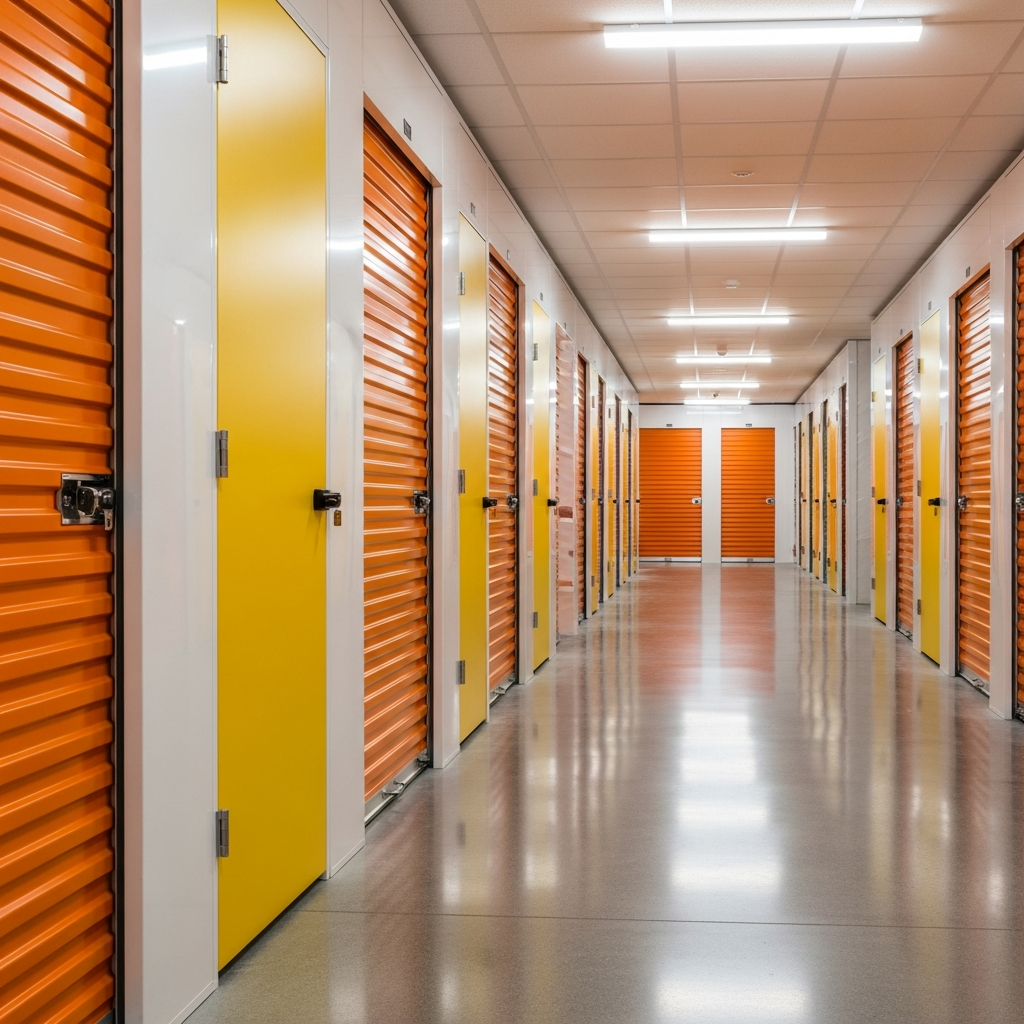
When touring facilities, ask the operator two direct questions: "What temperature range do you guarantee in writing?" and "Do you actively manage humidity, or only heat?" Facilities offering genuine climate control answer with numbers; facilities offering heated storage in a climate-controlled costume change the subject. Full-service movers with their own warehouses — storage solutions from Prestige Moving, for example — typically store goods in centrally conditioned warehouse space, which is the same environment your furniture would enjoy in a climate-controlled unit, with professional handling included.
Why Ottawa's Climate Makes It Essential
Ottawa is one of the harshest storage climates in any G7 capital, and understanding what the weather does to stored belongings explains why climate control is not a luxury upsell here.
- The annual temperature swing exceeds 60 degrees. January nights below -25°C, July afternoons above 32°C. Materials expand and contract with every swing; over months, solid wood panels crack along the grain, veneer lifts as adhesives fatigue, and glued joints in chairs and tables loosen.
- Freeze-thaw cycles are the killer, not the cold itself. Ottawa averages dozens of freeze-thaw crossings each winter and shoulder season. Each crossing pumps moisture into and out of porous materials. Upholstery, mattresses, and paper goods absorb moisture on the thaw and can't release it before the next freeze locks it in.
- Summer humidity regularly tops 80%. Above roughly 65% relative humidity, mould and mildew grow on fabric, leather, and wood within weeks. A sofa stored in a standard unit through one Ottawa summer often comes out with a smell no cleaning fully removes.
- Winter air is desert-dry. Heated-but-not-humidified spaces in an Ottawa winter drop below 20% humidity — dry enough to crack leather, shrink solid-wood tabletops, and detune a piano beyond simple correction.
The practical rule Ottawa movers use: if it lives inside your home, it should be stored in indoor conditions. Environment Canada's own climate data shows the capital's humidity extremes in both directions, which is precisely the profile that punishes stored belongings. For a broader look at storage options across the city, our complete Ottawa moving and storage guide covers the full landscape.
What Belongs in Climate-Controlled Storage
Not everything needs the premium unit. Here is the honest sorting list, built from what actually gets damaged in Ottawa storage units:
Climate control is essential for:
- Solid wood and veneer furniture — tables, dressers, bed frames, antiques. The single most commonly damaged category.
- Pianos and wooden instruments — soundboards crack in dry cold; a piano stored one winter in standard storage may never hold tune again. (Moving one? See our Ottawa piano movers guide.)
- Electronics and appliances with boards — TVs, computers, washers with electronic controls. Condensation during temperature swings corrodes circuitry.
- Leather and upholstered furniture — mould in summer, cracking in winter.
- Mattresses — absorb humidity readily and cannot be effectively dried once mildewed.
- Artwork, photographs, documents, books — paper and canvas are the most humidity-sensitive materials in a household.
- Wine, candles, vinyl records, film — all deform or spoil outside narrow temperature bands.
Standard or heated storage is fine for:
- Patio furniture, garden tools, and outdoor equipment
- Winter tires, sports gear, bicycles
- Plastic bins of seasonal decorations (not candles)
- Metal shelving, ladders, and most garage contents
The mixed-load strategy: if your storage need includes both categories, rent a smaller climate-controlled unit for the sensitive items and a cheap standard unit for the garage load — it is usually cheaper than putting everything in a large climate-controlled space. A good moving company will sort your inventory into exactly these two streams at quote time; it is a standard part of how Ottawa professional movers plan a move that involves storage.
Climate-Controlled Storage Costs in Ottawa (2026)
Ottawa climate-controlled storage pricing in 2026 breaks down predictably by unit size. These ranges reflect the established facilities inside the Greenbelt and the newer big-box facilities in Kanata, Barrhaven, and Orleans:
- 5×5 (locker, ~25 sq ft): $95–$140/month — documents, a few boxes, a chair or two
- 5×10 (~50 sq ft): $150–$210/month — contents of a studio or one-bedroom's furniture
- 10×10 (~100 sq ft): $200–$290/month — a one- to two-bedroom apartment
- 10×15 (~150 sq ft): $250–$380/month — a two- to three-bedroom home
- 10×20 (~200 sq ft): $320–$450/month — a full three- to four-bedroom household
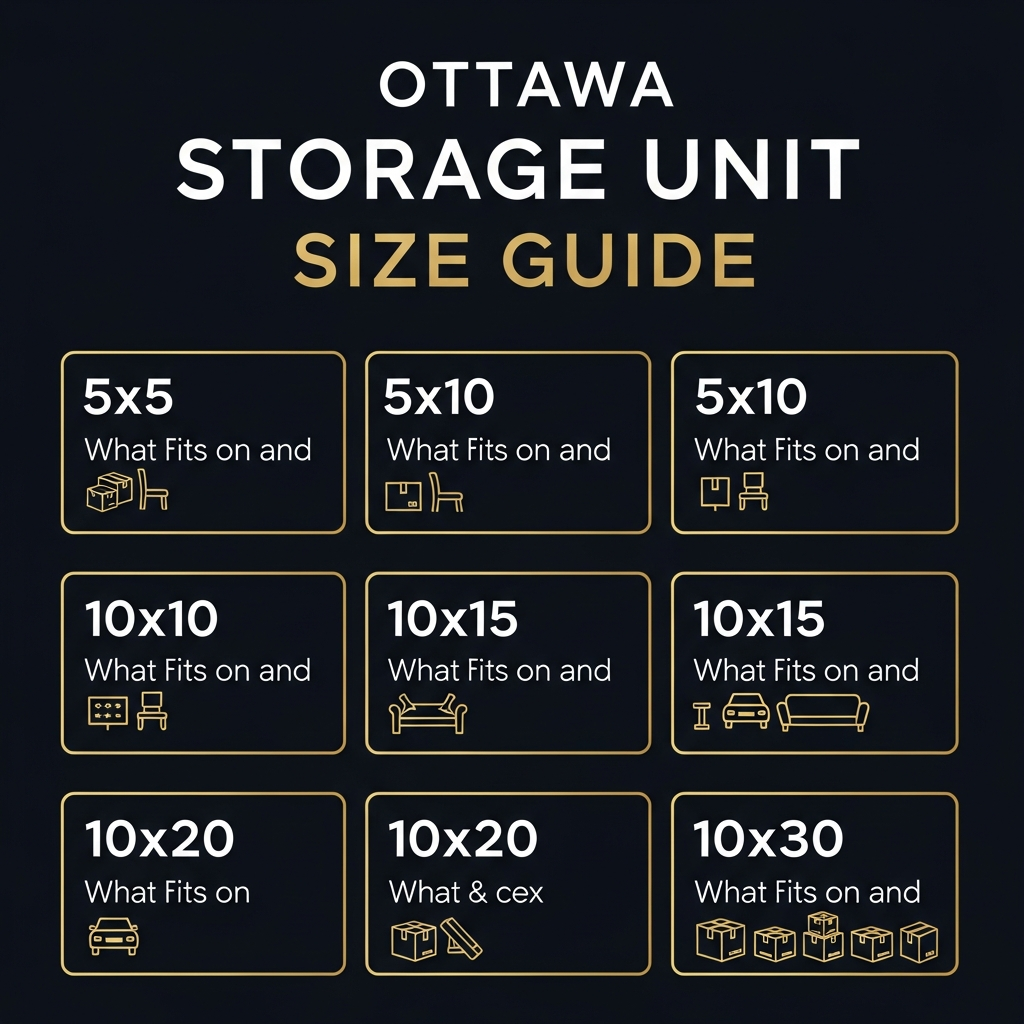
Expect climate control to run 25–40% above a same-sized standard unit. Budget for the add-ons that appear at signing: mandatory contents insurance ($15–$35/month if you don't have coverage through home insurance), a one-time admin fee ($20–$30), and a lock. Watch for teaser rates — the "$1 first month" promotions typically reset to above-market pricing at month four, so compare the month-six price, not the month-one price.
Two structural ways to pay less:
- Location arbitrage: facilities outside the Greenbelt (Stittsville, Carp Road corridor, south Barrhaven) run 15–25% cheaper than central Ottawa for identical conditions. If you visit storage rarely, the drive is worth it.
- Mover-bundled storage: when storage is part of a move, moving companies often price warehouse storage below retail self-storage because it fills space they already operate — and it eliminates the double-handling cost of trucking goods to a self-storage facility and back. Ask a trusted Ottawa moving company for the bundled number before renting a unit yourself; Prestige Moving's storage solutions are priced on exactly this model.
Self-Storage vs Full-Service Moving Company Storage
The biggest storage decision isn't which facility — it's which model. Ottawa offers two fundamentally different ways to store your belongings:
Self-storage: you rent the space, you move the goods. You keep 24/7 or extended-hours access, you can add and remove items freely, and month-to-month flexibility is standard. The trade-offs: you do (or separately hire) all the loading, your goods make two extra truck trips, and the burden of packing the unit safely — furniture on pallets, nothing against exterior walls, breathing room for air circulation — is entirely on you.
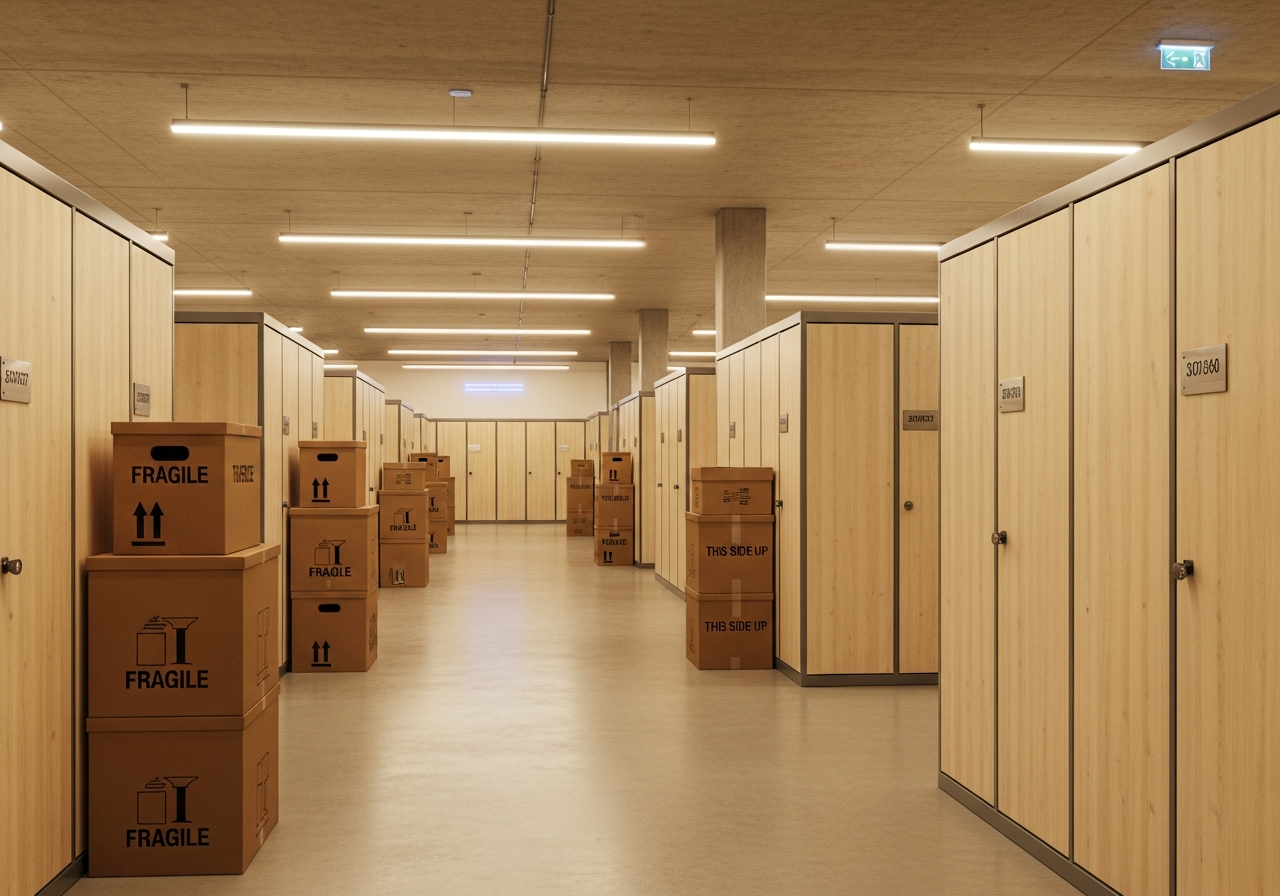
Full-service moving company storage: the crew that loads your moving truck delivers your belongings into their conditioned warehouse, usually palletized and inventory-tagged in sealed wooden vaults. When you're ready, the same company delivers everything to the new address. The trade-offs run the other way: access requires an appointment, and you pay professional handling — but the handling is the point. Your furniture is blanket-wrapped by professionals once, travels once each way, and is never carried up a self-storage corridor by a tired amateur.
The decision rule most Ottawa families land on:
- Choose self-storage when you need regular access (business inventory, hobby gear, staging a home for sale room by room) or when the stored load is low-value and you're optimizing pure cost.
- Choose moving company storage when storage is part of a move — a bridge between closing dates, a downsize, a renovation — and the goods are your actual household. The handling quality difference shows up years later in furniture that has no mystery scratches.
Between-homes storage is the most common scenario of all, and it has its own logistics — our guide to storage-in-transit for Canadian moves walks through how movers hold shipments between pickup and delivery dates.
How to Choose a Storage Facility: 10-Point Checklist
Tour before you sign — a fifteen-minute visit reveals more than an hour of website reading. Bring this checklist:
- ☐ Written temperature and humidity guarantee. Numbers in the contract, not adjectives on the website.
- ☐ Interior corridor units. Climate-controlled units should be inside the building envelope, not drive-up doors with a heater.
- ☐ Sniff test. Walk the corridor. Musty air means humidity management is failing — right now, with tenants' goods inside.
- ☐ Security stack: gated access with individual PINs, cameras covering corridors (not just the gate), individually alarmed units at better facilities.
- ☐ Pest program. Ask to see the bait station log; professional facilities have one.
- ☐ Loading infrastructure: covered loading bays, freight elevators sized for furniture, free carts. In an Ottawa January this is not a nicety.
- ☐ Insurance clarity. What does their mandatory coverage actually pay per item? Does your home policy already cover stored goods (many do, at 10% of contents coverage)?
- ☐ Real month-six price. Ask directly: "What will this unit cost after promotional pricing ends, and how often do rates rise?"
- ☐ Access hours that match your life. "24/7" sometimes means "24/7 for a fee."
- ☐ Reviews mentioning move-out. Move-in reviews are always glowing; complaints cluster at move-out — billing surprises, rate hikes, damage discovered. Read those specifically.
If you're comparing specific Ottawa facilities, our roundup of the best storage solutions in Ottawa for 2026 does the legwork, and it pairs well with a quote conversation — any full-service Ottawa moving company worth hiring will happily quote the move and the storage as one number so you can compare the bundled path against DIY self-storage honestly.
Preparing Your Items for Storage
Climate control protects against the environment — it does not protect against bad packing. The difference between goods that emerge pristine after a year and goods that emerge damaged is almost always preparation:
- Clean everything first. Food residue, skin oils, and dirt become permanent stains (and pest attractants) over months. Wipe furniture with appropriate cleaner, launder fabrics, and vacuum upholstery before it goes in.
- Dry is non-negotiable. Appliances need 48 hours door-open drying after their last use; hoses drained, drums dry. One damp washing machine can humidify an entire unit.
- Wrap wood in blankets, never plastic. Plastic film directly on wood traps micro-moisture and imprints on finishes over months. Breathable furniture pads, secured with stretch wrap that touches only the pad.
- Elevate off the floor. Pallets or 2×4 rails under everything — even in premium facilities, floor-level condensation happens during shoulder seasons.
- Mattresses in breathable bags, stored flat. Long-term on-edge storage bends spring units out of shape.
- Leave air space. Pack the unit with a 5–10 cm gap along walls and a centre aisle if you can. Air circulation is what makes climate control work; a unit packed solid defeats it.
- Photograph and inventory everything as it goes in — for insurance, and for finding the winter boots in March.
Boxes matter too: uniform, new boxes stack stable over months, while mixed grocery-store boxes compress and topple. If packing a household for storage feels like a second job, our guide to Ottawa packing services covers what professional prep costs — and when a crew packs and stores your goods in one workflow, everything above is simply done as standard procedure.
Storage During a Move: How Storage-in-Transit Works
The most common reason Ottawa families need storage at all is the gap between homes: a June 15 closing on the sale and a July 3 closing on the purchase, a renovation that ran long, a cross-country move where the new home isn't ready. The industry's tool for this is storage-in-transit (SIT) — and it works differently from renting a unit.
- One contract, one crew. An experienced Ottawa moving and storage company loads once, stores your shipment in their warehouse (typically in sealed wooden vaults), and delivers when you call the date. You never touch a self-storage corridor.
- Pricing: expect a warehouse handling charge (in and out), plus a per-month or per-100-lb storage rate. For a typical three-bedroom household in 2026, Ottawa SIT runs roughly $300–$600/month plus handling — routinely cheaper than a comparable climate-controlled self-storage unit once you count the second truck and crew a DIY path requires.
- Coverage continuity: the valuation protection you chose for the move usually extends through the storage period — one policy covering the goods from old door to new door. Confirm this in writing; it is one of SIT's quietest advantages.
- Timing flexibility: most movers offer SIT up to 30, 60, or 90 days before converting to permanent storage rates. If your gap is measured in months, ask for the permanent-storage price up front.
If your gap involves a long-haul move, the logistics deepen — delivery windows, weight-based pricing, and consolidated loads all interact with storage. Our complete guide to long distance moving from Ottawa covers how those pieces fit together.
One caution: confirm the warehouse itself is conditioned space. A mover's storage is only as good as their building — ask the same temperature and humidity questions you would ask a self-storage facility, and visit if you can. Established companies are proud to show the warehouse; hesitation is an answer.
Frequently Asked Questions
Is climate-controlled storage worth it in Ottawa?
For anything made of wood, leather, fabric, paper, or electronics — yes, and Ottawa's climate makes the case stronger than almost anywhere in Canada. The city's 60-degree annual temperature swing, dozens of freeze-thaw cycles, and 80%+ summer humidity damage exactly the belongings people store. The 25–40% price premium is a fraction of the replacement cost of one warped dining table or one mildewed mattress. Standard storage remains the right choice for garage-type contents.
What is the difference between climate-controlled and heated storage?
Heated storage only prevents freezing — units are kept somewhere above 0°C in winter, often just 5–10°C, with no cooling in summer and no humidity management at any time. Climate-controlled storage maintains a year-round temperature band (typically 12–25°C) and actively manages humidity near 30–50%. Humidity is the differentiator that matters: it is moisture, not temperature alone, that causes mould, mildew, warping, and corrosion in stored goods.
How much does climate-controlled storage cost in Ottawa in 2026?
Expect roughly $95–$140/month for a 5×5 locker, $150–$210 for a 5×10, $200–$290 for a 10×10, $250–$380 for a 10×15, and $320–$450 for a 10×20, plus insurance and admin fees. Facilities outside the Greenbelt run 15–25% cheaper than central Ottawa. Moving-company warehouse storage for a three-bedroom household typically runs $300–$600/month plus handling, and is often the better value when storage is part of a move.
Can I store a piano in a storage unit?
Only in genuine climate-controlled conditions — and ideally in a mover's conditioned warehouse rather than a self-storage unit. Piano soundboards are engineered spruce held under tension; dry winter air cracks them, and humidity swings push the instrument permanently out of regulation. The piano also needs professional moving both directions. Store it on an interior wall equivalent (away from exterior unit walls), under a breathable cover, and budget for a tuning on retrieval regardless of how well it was stored.
What should you not put in climate-controlled storage?
Nothing perishable, flammable, or alive: food of any kind (including canned goods long-term), propane tanks, gasoline, paint and solvents, fireworks, and plants. Most facilities also prohibit tires beyond a set number and anything running on fuel unless drained. Beyond the rules, avoid storing irreplaceable documents, cash, and jewellery — insurance rarely covers them adequately in storage, and they belong in a safety deposit box or at home.
Does home insurance cover items in a storage unit?
Usually partially. Most Canadian home and tenant policies extend off-premises contents coverage at about 10% of your total contents limit — so a $60,000 contents policy covers roughly $6,000 in storage. Check whether the policy requires the facility to meet security standards, and whether flood and mould are excluded (they often are). If your stored goods exceed the extension, buy the facility's coverage or a storage rider; if a moving company stores your goods, ask how your move's valuation protection extends into the warehouse period.
The bottom line: in Ottawa's climate, climate-controlled storage is the default for household goods, not the upgrade — and when storage is part of a move, letting one company handle the move and the storage usually costs less and protects more. Get a bundled move-and-store quote from Ottawa's trusted moving professionals or call (613) 600-4000 — the quote form takes two minutes.