The Student Long-Distance Move Explained
Heading across the country for university is one of life's great adventures — and one of its first major logistical challenges. Whether you are leaving Halifax for the University of British Columbia, Toronto for the University of Calgary, or a small Prairie town for McGill in Montreal, a student move spans thousands of kilometres on a tight budget and an academic deadline. The good news is that students typically own far less than established households, which opens up affordable, flexible moving options that simply are not practical for families.
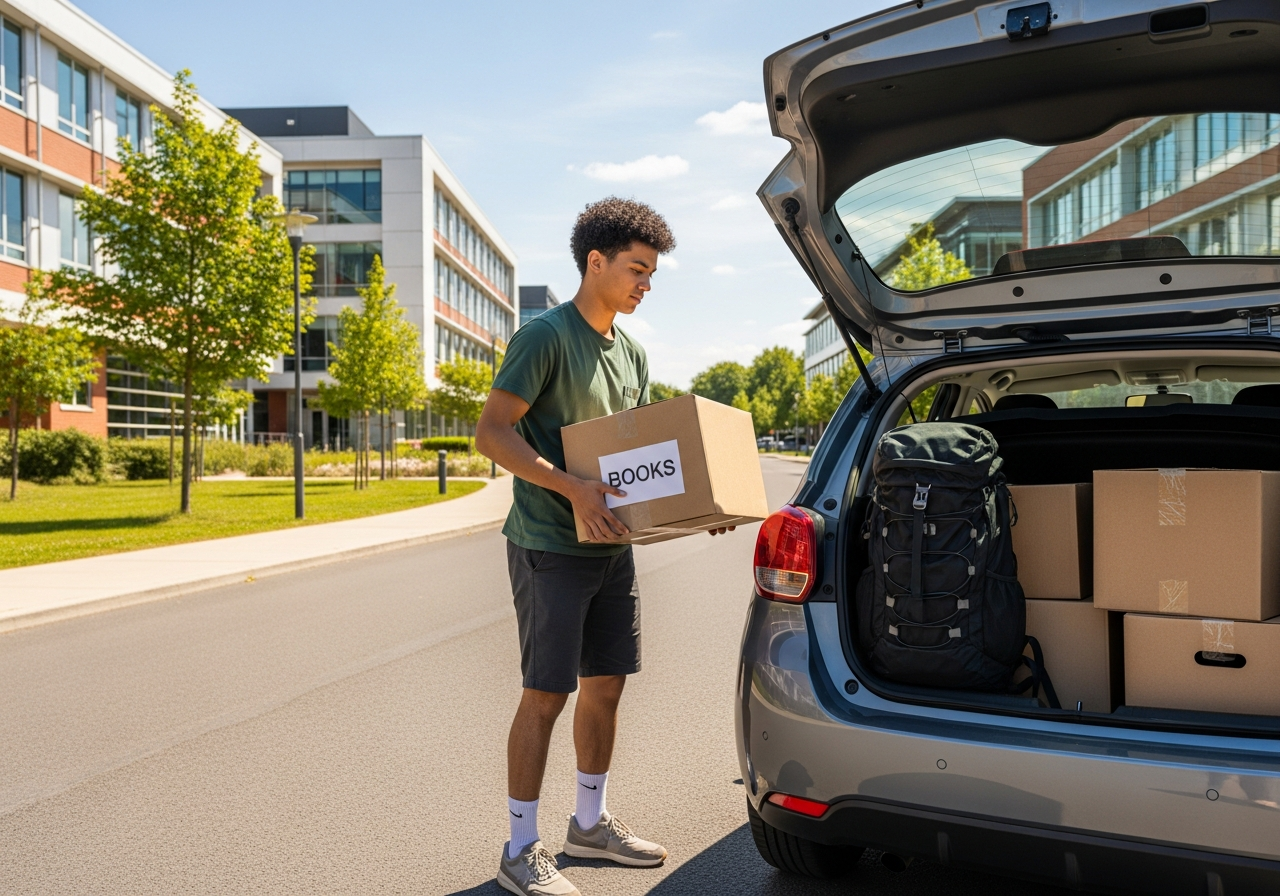
The student move is defined by three constraints: a limited budget, a relatively small volume of belongings, and a firm start date tied to the academic calendar. Your strategy should optimize for all three. The less you bring, the cheaper and easier the move — and much of what fills a dorm room can be bought affordably at the destination rather than hauled across the country.
For larger loads or when you want zero hassle during exam season, professional long distance movers offer student-friendly options, while leaner moves can rely on shipping or pods. Understanding the full menu of choices is the key to a smart, low-cost relocation. If saving money is your top priority, read this alongside our broader guide to the cheapest way to move across Canada, which compares every budget option in detail.
Key Takeaway: Student moves win on three fronts — small volume, tight budget and a fixed deadline. Bring less, buy basics at your destination, and match your moving method to how much you actually need to transport.
Residence vs Off-Campus Apartment
Where you will live shapes everything about your move, from how much you bring to when you can arrive.
University residence
Most first-year students live in residence, which dramatically simplifies the move. Dorm rooms come furnished with a bed, desk and storage, so you bring only bedding, clothing, school supplies, a few kitchen items and personal effects. Residences have fixed move-in dates and often strict time windows, so you cannot arrive early. The upside is that you need to transport very little — often just a few boxes and suitcases.
Off-campus apartment
Upper-year students and those who prefer independence often rent off campus. This may mean an unfurnished or partly furnished unit, requiring more belongings or furniture purchases. You have more flexibility on move-in timing but more to organize, including a lease, utilities and possibly roommates. If you are furnishing an empty apartment, your moving volume — and cost — rises accordingly.
Confirm exactly what your accommodation provides before deciding what to bring. A furnished residence room needs almost nothing large; an empty apartment may justify shipping furniture or buying it locally. For students furnishing a space from scratch, the cost trade-offs are similar to those any long distance moving company weighs — sometimes buying basics at the destination beats paying to ship them across four provinces.
💡 Pro Tip: Read your residence's packing list and prohibited-items list before you pack a single box. Many residences ban certain appliances and provide more than students expect, saving you from hauling things you cannot even use.
Deciding What to Bring and What to Buy There
The golden rule of student moving is simple: the cheapest item to move is the one you do not move at all. Be ruthless about what makes the trip.
Worth bringing
- Clothing for all seasons (Canadian winters vary widely by region)
- Laptop, electronics and chargers
- Important documents: ID, health card, acceptance and financial-aid paperwork
- Bedding and a few personal comfort items
- Sentimental items that make a new space feel like home
Better to buy at your destination
- Bulky furniture (unless your apartment is unfurnished and shipping is genuinely cheaper)
- Kitchenware, dishes and small appliances
- Cleaning supplies and toiletries
- Storage bins and organizers
- Heavy textbooks (buy or rent locally, or go digital)
Calculate the trade-off honestly: shipping a cheap desk across the country can cost more than buying a new one at your destination. Thrift stores, student marketplaces, campus buy-and-sell groups and end-of-year sales are gold mines for affordable furnishings near any campus. The same weight-and-volume logic that drives the cost models of every cross-Canada movers applies to you — every kilogram you ship adds cost, so shipping only what is truly worth it is the smartest financial decision. For the full breakdown of how distance and volume drive price, see our guide to long distance moving costs in Canada.
The Cheapest Ways to Move as a Student
Students have more affordable options than almost any other mover because their loads are small and flexible. Here is the budget hierarchy from cheapest to most expensive.

1. Fly with luggage only
If you are moving into furnished residence, flying with checked bags is often the cheapest option of all. Pay for extra checked luggage, ship a couple of boxes separately, and buy the rest on arrival.
2. Ship boxes by courier or freight
For a modest number of boxes, shipping by parcel courier or freight can be very economical. You pay only for what you send, with no truck or driver to fund.
3. Moving containers and pods
For a fuller load — say, furnishing an off-campus apartment — a shared or small moving container offers a middle ground between DIY and full service.
4. Consolidated / shared-load professional move
Professional long distance moving services can place your small shipment on a shared truck with other loads heading the same direction, splitting the cost and making a full-service move surprisingly affordable for a small volume.
5. Rent a truck and drive
One-way truck rental works if you have enough belongings and a willingness to drive thousands of kilometres yourself, though fuel and one-way fees can add up.
The right choice depends on your volume and budget. Our complete cheapest way to move across Canada guide compares each of these options side by side with real cost ranges so you can pick the lowest-cost path for your situation.
Moving Containers and Pods for Students
Moving containers — often called pods — are a flexible, increasingly popular option for students who have more than a few boxes but do not need a full-service move.
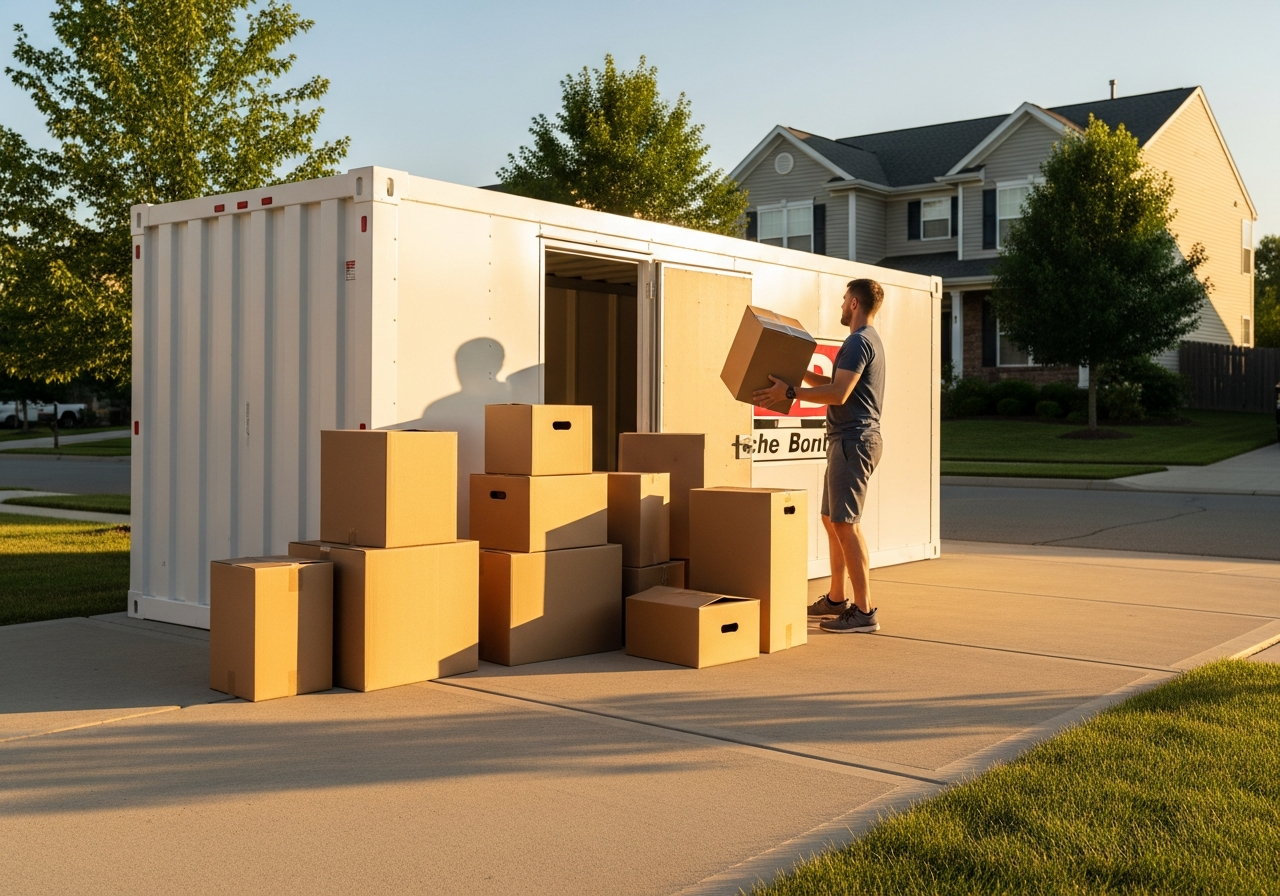
How pods work
A container is dropped at your location, you load it at your own pace, the company transports it across the country, and you unload it at the destination. You do the packing and loading; the company handles the long-haul driving.
Why pods suit students
- Flexible loading: Pack over days rather than racing a rental-truck clock.
- No long-distance driving: You skip the exhausting cross-country drive a rental truck demands.
- Built-in storage: Many companies offer storage if your move-in date does not line up with delivery — handy when residence opens later than you arrive.
- Cost-effective for medium loads: Often cheaper than full service but more capable than shipping boxes.
Pods are ideal for students furnishing an apartment or moving an upper-year household. For smaller loads they may cost more than simply shipping boxes, so compare. Our dedicated guide on moving containers and pods across Canada digs into whether pods are worth it for your situation, and a reputable interprovincial moving company can quote a shared-load option to compare against the pod price.
💡 Pro Tip: If your residence or lease starts after you need to vacate your current place, choose a pod or mover that offers storage-in-transit. Storing your container is usually cheaper and easier than finding short-term storage on your own.
Shipping Boxes vs Hiring Movers
For students moving into furnished residence, the choice often comes down to shipping a few boxes versus hiring movers for a small load. Both have a place.
Shipping boxes
Best when you have a small number of boxes and no large furniture. You pay per box by weight and size, drop them at a courier or freight depot, and collect them at the destination. It is among the cheapest methods for a true minimalist move, though large or heavy boxes get pricey and the boxes arrive separately from you.
Hiring movers (shared load)
Best when you have furniture or a larger volume, or simply want zero hassle during a busy academic transition. Professional professional long distance movers can consolidate your small shipment with others heading the same way, giving you door-to-door service at a fraction of a dedicated-truck price. This is the lowest-effort option and protects your belongings with proper handling and insurance.
Quick decision guide:
- A few boxes, furnished residence: Ship boxes or fly with extra luggage.
- Boxes plus some furniture: Moving container/pod or shared-load movers.
- Full apartment of belongings: Shared-load or full-service movers.
Whatever you choose, get quotes from multiple providers and compare total cost including any fees. The volume-and-distance pricing explained in our long distance moving cost guide applies to every method, so understanding it helps you spot the best deal.
Timing Your Move Around the Academic Year
Timing a student move is uniquely constrained by the academic calendar, and getting it right saves money and stress.
Key timing factors
- Residence move-in dates: Universities set specific move-in days, usually in late August or early September, often with assigned time windows. You cannot arrive early, so plan transport to land on or just after your date.
- Peak-season pricing: Late summer is the busiest and most expensive moving period nationwide because everyone — students and families alike — moves before September. Book early to secure space and better rates.
- Arrive with buffer time: Aim to arrive a few days before classes start to settle in, handle errands and learn the campus before the academic pressure begins.
- Lease start dates: Off-campus leases often begin September 1, a notoriously busy moving day in university cities. Book movers or pods well ahead.
Because the entire student population moves in the same narrow window, demand for trucks, pods and movers spikes. Booking your cross-country moving company or pod several weeks in advance is essential to get the date you need at a reasonable price. If your schedule has any flexibility — for instance, moving in mid-August before the peak crush — you may find better availability and lower rates, a dynamic explored across all our long-distance pricing guides.
⚠️ Book early or pay more: The late-August to early-September window is the single busiest moving period in Canada. Last-minute student bookings face limited availability and premium prices. Reserve your method weeks ahead.
Packing Smart on a Student Budget
Packing well on a budget means protecting your belongings without spending a fortune on supplies.
Free and cheap packing materials
- Collect free boxes from grocery and liquor stores, or ask on local buy-nothing groups.
- Use clothing, towels and bedding as padding for fragile items instead of buying bubble wrap.
- Pack books in small boxes and suitcases with wheels — they get heavy fast.
- Use suitcases, backpacks and duffel bags you already own as moving containers.
Pack efficiently
- Label every box clearly with its contents and destination room.
- Keep a personal essentials bag with documents, electronics, medications and a change of clothes.
- Photograph electronics setups before unplugging so reassembly is easy.
- Distribute weight so no box is too heavy to lift safely.
If you are shipping boxes or using a pod, sturdy packing matters even more, since belongings travel thousands of kilometres and change hands. The packing principles that protect a full household with any long distance movers apply at student scale too — good materials and smart weight distribution prevent damage in transit. Combine these tips with the decluttering mindset from our cheapest-way-to-move guide to keep both your load and your costs down.
💡 Pro Tip: Pack a "first night" box with bedding, a towel, toiletries, phone charger and a change of clothes, and keep it with you. After a long travel day, you will not want to dig through every box to find your toothbrush.
The Journey: Flying vs Driving
How you personally travel to your new campus city is a separate decision from how your belongings get there.
Flying
Flying is fast and often the cheapest way for a student to travel, especially with student fares and advance booking. Pay for extra checked luggage to bring essentials, and have the rest shipped or waiting via pod. Flying suits students moving into furnished residence with minimal belongings.
Driving
Driving makes sense if you have a vehicle you are bringing anyway, want to transport more belongings, or are travelling with family who can help you settle in. A cross-country drive is a memorable experience but demands several days, fuel, lodging and stamina. Sharing the drive with a parent or friend makes it safer and more enjoyable.
Coordinating arrival
If your belongings travel separately by pod or with a nationwide moving company, coordinate so they arrive around the same time you do — ideally on or just after your residence move-in date. Storage-in-transit options bridge any gap if your belongings would otherwise arrive before you can receive them.
For most first-year students in furnished residence, flying with luggage and shipping a few boxes is the cheapest and simplest combination. Upper-year students furnishing apartments more often benefit from driving or a pod. Match the travel method to your belongings, your budget and whether anyone is helping you move.
Settling Into a New City and Campus
Arriving is just the beginning. Settling into a new city thousands of kilometres from home takes some intention, especially in the first weeks.
Set up the essentials first
- Make your bed and unpack your "first night" box immediately.
- Buy groceries and basic kitchen and cleaning supplies.
- Locate the nearest grocery store, pharmacy, transit stops and campus buildings.
- Set up internet and any utilities if you are off campus.
Handle the admin
- Update your address with your bank, the CRA and any subscriptions.
- Register for a provincial health card if you are establishing residency, noting any waiting period.
- Get a transit pass and learn your routes to campus.
Build your community
Attend orientation, join clubs and intramural sports, introduce yourself to floor-mates and classmates, and explore your new city. Homesickness is normal in the early weeks; staying busy, connected and engaged is the best antidote. The federal Government of Canada services portal can help you find provincial services like health-card registration in your new home province.
Because pods and shared-load long distance moving services can often store your belongings until your move-in date, you can arrive, get oriented, and receive your shipment without scrambling. Take advantage of any storage option to make the timing work smoothly around orientation week.
Key Takeaway: Set up your essentials first, knock out the admin (address, health card, transit), then invest in community. Staying engaged in your first weeks is the best defence against homesickness.
Student Moving Budget and Money-Saving Tips
A clear budget keeps a student move affordable. Here are realistic figures and the best ways to save.
Typical student-move costs (CAD, 2026):
- Flight (one-way, cross-country, advance booking): $200 – $600
- Extra checked luggage: $50 – $150 per bag
- Shipping boxes by courier/freight (per box): $30 – $120 depending on weight and distance
- Moving container/pod (small, cross-country): $1,500 – $3,500
- Shared-load professional move (small): $1,200 – $3,000
- One-way truck rental (cross-country): $1,500 – $3,500+ including fuel
Top money-saving tips
- Bring less and buy basics at your destination from thrift stores and student marketplaces.
- Use free boxes and clothing as padding instead of buying supplies.
- Book early to lock in lower peak-season rates.
- Split a pod or shared load with another student moving the same route.
- Ask movers about student discounts and shared-load options.
The cheapest path is almost always to minimize what you transport and choose the method that matches your true volume. For furnished residence, fly and ship a few boxes; for an apartment, compare pods against shared-load professional long distance movers. To dig deeper into squeezing every dollar, our pods guide and cheapest-way-to-move guide lay out the full cost comparisons. When you are ready for a tailored estimate, you can request a free moving quote.
Frequently Asked Questions
What is the cheapest way for a student to move across Canada?
For students moving into furnished residence, flying with extra checked luggage and shipping a few boxes is usually cheapest. For larger loads, compare moving containers/pods against shared-load professional movers. The single biggest savings come from bringing less and buying basics at your destination.
Should I bring furniture or buy it when I arrive?
For most students, buy furniture at your destination. Shipping bulky furniture across the country often costs more than buying new or used locally. Thrift stores, campus buy-and-sell groups and student marketplaces offer affordable furnishings near any university.
Are moving pods a good option for students?
Pods work well for students with more than a few boxes — especially those furnishing an off-campus apartment. They offer flexible loading, no long-distance driving, and often built-in storage if your move-in date does not align with delivery. For very small loads, shipping boxes may be cheaper.
When should I book my student move?
Book several weeks in advance. Late August and early September are the busiest and most expensive moving times in Canada because the whole student population moves at once. Early booking secures availability and better rates.
How do I handle the gap if my belongings arrive before my residence opens?
Choose a pod company or mover that offers storage-in-transit. They store your container or shipment until your move-in date, which is usually cheaper and easier than arranging your own short-term storage.
Do I need to register for a new provincial health card?
If you are establishing residency in a new province, you generally need to register for that province's health plan, and there may be a waiting period. Some students remain covered under their home province depending on circumstances; check both provinces' rules and consider interim coverage during any gap.
What should I keep with me during the move?
Carry a personal essentials bag with your ID, health card, acceptance and financial-aid documents, laptop and chargers, medications, and a "first night" kit with bedding and toiletries. Never ship irreplaceable documents or electronics on a separate truck.