Moving From Quebec to BC: Overview
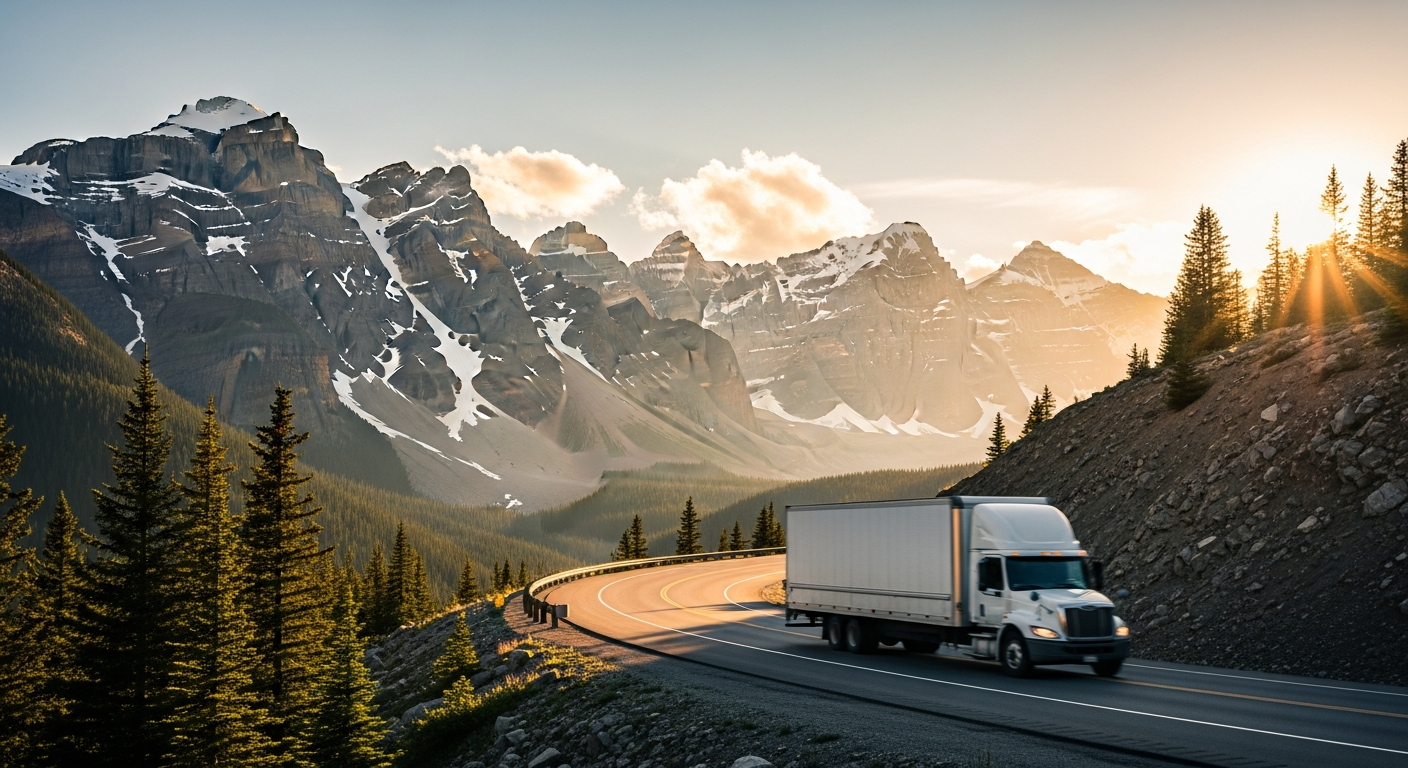
Moving from Quebec to British Columbia is the longest mainland relocation many Canadians will ever make — a coast-to-coast journey of roughly 4,600 kilometres from the St. Lawrence to the Pacific. Quebecers head west for technology and film work in Metro Vancouver, milder winters, the lifestyle of the Okanagan, and the spectacular outdoors of the BC Interior. It is a major undertaking, but with the right preparation it is entirely manageable.
Because this route spans nearly the entire country, it combines every logistical challenge of a cross-Canada move: remote northern Ontario stretches, fast Prairie driving, and demanding mountain passes near the coast. It also layers in a practical consideration unique to Quebec moves — coordinating documentation between a province that operates in French and a destination province that operates in English.
This guide lays out the full journey: kilometres and transit days, realistic 2026 cost ranges in Canadian dollars by home size, the route's defining features, and the BC paperwork waiting on arrival. Hiring an experienced interprovincial moving company that runs the Quebec-to-BC lane regularly is the surest way to keep the move predictable. For wider pricing context, read it alongside our guide to long distance moving costs in Canada.
Distance, Route & Transit Time
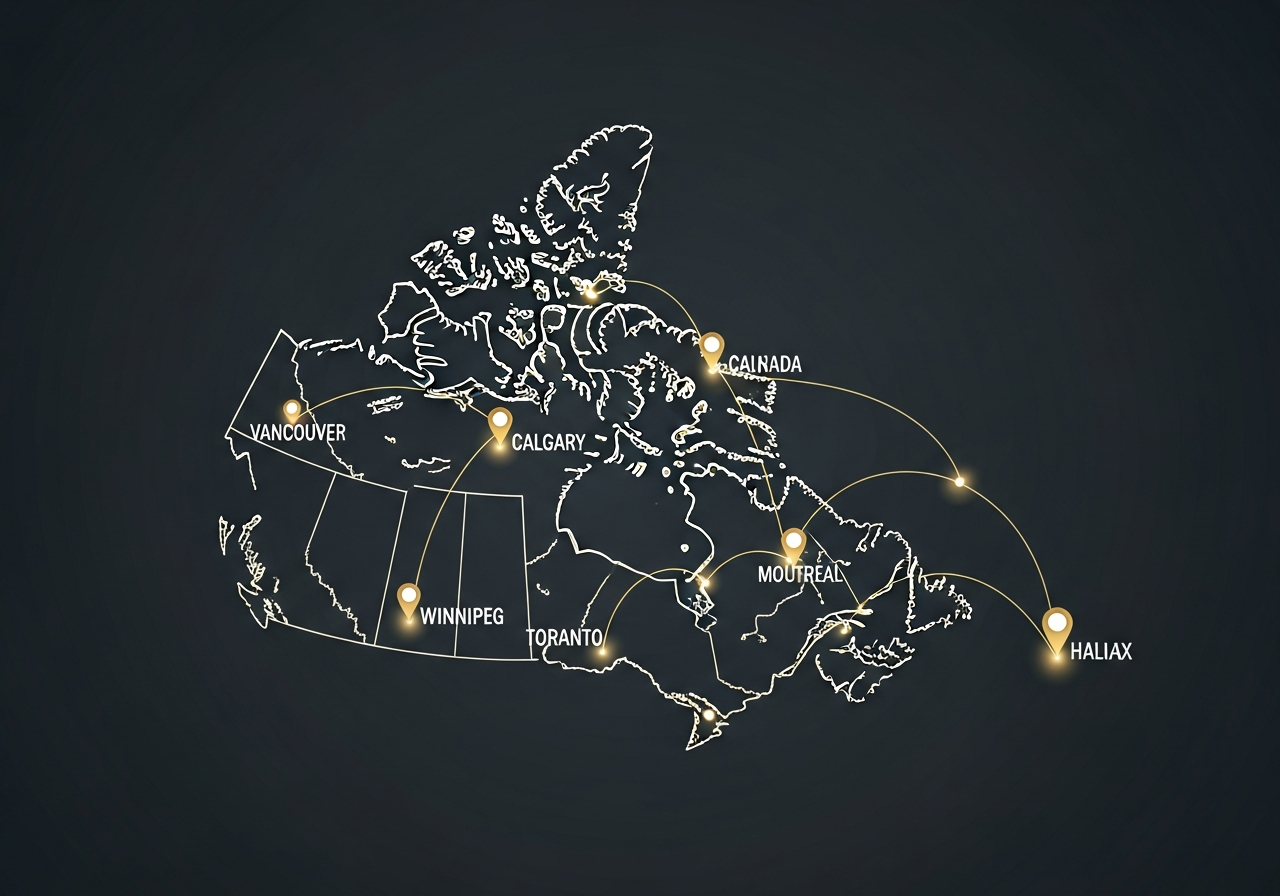
The driving distance from Montreal to the BC Lower Mainland is approximately 4,600 to 4,700 kilometres, making it slightly longer than the Toronto-to-Vancouver run. The route heads west through Ontario on the Trans-Canada and Highway 17, crosses the Prairies, then climbs into the BC Interior before descending to the coast.
Typical transit time
Plan for a 6 to 8 day delivery window on a dedicated truck, and 9 to 15 days for consolidated shipments sharing truck space. This is one of the longest domestic moves in Canada, and the mountain finish means weather can affect the final leg.
Terrain along the way
- Quebec and eastern Ontario: Well-serviced highways and dense urban infrastructure at the start.
- Northern Ontario: The most remote stretch, with long gaps between services.
- The Prairies: Flat, fast, and efficient.
- BC mountains: Rogers Pass and the Coquihalla demand experience, especially off-season.
Because this is the longest mainland corridor, the route also crosses more time zones than any other domestic move — from Eastern Time in Quebec through Central, Mountain, and finally Pacific Time on the coast. That three-hour shift affects coordination with your delivery crew, utility hook-up appointments, and even when you can reach service providers back east. Plan for it deliberately so arrival day is not derailed by mismatched scheduling.
It is also worth understanding how carriers structure the trip. On a haul this long, drivers rotate rest periods under federal hours-of-service rules, fuel and inspect the truck at fixed intervals, and may stage your load through a regional terminal if you are on a consolidated shipment. Knowing this in advance helps you set realistic expectations and ask the right questions about exactly when your goods will reach the coast.
A trustworthy long distance moving company will provide GPS tracking and a realistic delivery window. For a city-specific deep dive, see our guide to Montreal to Vancouver movers.
Cost Breakdown by Home Size
As the longest mainland route, Quebec-to-BC sits at the higher end of cross-country pricing. The ranges below reflect realistic 2026 full-service costs in Canadian dollars.
Studio / 1-bedroom apartment
Typical cost: $3,400 - $5,800 CAD. Consolidated shipping keeps small loads at the lower end.
2-bedroom home or condo
Typical cost: $5,400 - $9,000 CAD. A frequent size for professionals relocating west.
3-bedroom home
Typical cost: $8,000 - $14,000 CAD. Usually requires dedicated truck space and a full crew.
4-bedroom home
Typical cost: $12,000 - $19,000 CAD. Greater volume plus specialty items raise the base.
5+ bedroom or luxury home
Typical cost: $17,000 - $32,000+ CAD. Premium handling, custom crating, and white-glove transport.
It is worth remembering that these figures bundle several distinct components: line-haul transport priced on weight and distance, labour for loading and unloading at both ends, materials if the mover packs for you, fuel surcharges, valuation coverage, and any specialty handling. On a route this long, the line-haul portion dominates, which is exactly why trimming weight pays off so heavily. Ask each carrier to break their quote into these line items so you can compare offers fairly rather than judging on a single headline number.
On the longest route, weight management matters most. Declutter hard and insist on written, binding or not-to-exceed estimates from any cross-Canada movers you consider.
To understand how these figures are built, see our breakdown of long distance moving costs in Canada and compare at least three written quotes before committing.
What Makes the Quebec to BC Route Special
Beyond sheer distance, the Quebec-to-BC move has a few defining characteristics that shape planning.
Documentation between two systems
You are moving from a province that issues French-language documents to one that operates in English. Keep certified copies of vital records and be prepared to provide them when registering for health care, exchanging your licence, and updating other services in BC.
The full spectrum of Canadian terrain
This route includes remote northern Ontario, the open Prairies, and serious mountain passes near the coast — every challenge in one trip. The mountain finish is the biggest variable, particularly in shoulder and winter seasons.
A major climate and lifestyle shift
Quebec's cold, snowy winters give way to BC's mild, rainy coastal climate. You will need less heavy snow gear but should protect wood and electronics from coastal humidity during the multi-day transit.
💡 Pro Tip: Order certified, translated copies of key documents before you leave Quebec. Having them in hand speeds up BC registrations enormously.
Migration patterns tracked by Statistics Canada confirm steady movement from Quebec to BC, so established long distance moving services run this corridor regularly and can offer competitive consolidated rates.
Best Time of Year to Make the Move
On a route that ends in the mountains, timing is about both price and safety.
Late spring and early fall
May, June, September, and October give you dry mountain driving and softer pricing than the summer peak — the ideal window for this route.
Summer peak
July and August bring the highest demand and prices, often 20 to 30 percent above off-season. Book 10 to 12 weeks ahead.
Winter
December to February offers the lowest rates but the greatest weather risk on the BC passes. Before any winter move, monitor DriveBC for pass conditions and 511 Alberta for the Prairie-to-Rockies leg.
⚠️ Winter Caution: Rogers Pass and the Coquihalla can close for avalanche control. On the longest mainland route, a single closure can add days — build in flexibility.
Coordinate your paperwork timing with our guide to changing your address when moving provinces so benefits and mail follow you west on schedule.
Packing & Preparation for a Cross-Country Haul
The longest route puts the most stress on your belongings. Packing standards need to match.
Pack for distance and handling
- Double-box and heavily cushion all fragiles.
- Disassemble large furniture and keep hardware labelled and attached.
- Use uniform, sturdy boxes for a stable, shift-resistant load over 4,600 km.
- Add moisture protection for the humid BC coast.
Pack an essentials kit
With delivery windows of a week or more, keep a labelled essentials box and suitcase containing documents, medications, chargers, basic kitchen items, and clothing for the coast.
Key Takeaway: On a 4,600 km move, packing quality is the single biggest factor in whether your goods arrive intact. Let professionals handle the fragile and high-value items.
Follow our broader process in the long distance moving cost guide and consider professional packing services for anything irreplaceable.
Storage-in-Transit & Delivery Windows
Over 4,600 km, matching your Quebec move-out date to your BC possession date is rarely seamless, which is where storage-in-transit (SIT) earns its keep.
When you will use SIT
If your Quebec home closes before your BC home is ready, your mover can hold your goods securely and deliver when you take possession. This is standard practice on the longest cross-country moves.
Reading the delivery window
Expect a multi-day window rather than a single date. Driving-hour limits and mountain weather make a guaranteed day unrealistic on this route.
Get SIT pricing, free-day allowances, and access terms in writing up front. Surprise storage fees are a common hidden cost on long moves.
Learn more about coordinating these logistics in our guide to storage-in-transit for cross-country moves, and verify your carrier through the Canadian Association of Movers.
Settling In: BC Admin Tasks & Address Changes
Arriving in British Columbia means a list of important administrative steps. Tackle them early to avoid coverage gaps.
Health coverage
Enrol in BC's Medical Services Plan (MSP) immediately. New residents typically wait the balance of the arrival month plus two months before coverage begins, so keep your Quebec RAMQ coverage active during the transition and consider interim private insurance.
Driver's licence and vehicle insurance
BC requires you to exchange your Quebec licence and register your vehicle within 90 days of becoming a resident. Insurance runs through ICBC, the public provincial insurer — bring proof of your Quebec driving and claims history.
Mail, taxes, and address updates
- Set up Canada Post mail forwarding before leaving Quebec.
- Update your address with the CRA and, where relevant, Revenu Québec.
- Transfer banking, utilities, and subscriptions to your BC address.
Our step-by-step guide to changing your address when moving provinces sequences every notification so nothing is missed.
Shipping Your Vehicle & Moving Pets
Drive or ship your vehicle?
Driving 4,600 km from Quebec to BC is an epic road trip but adds significant fuel, lodging, and wear, plus mountain driving at the end. Auto transport typically costs $1,700 - $3,000 CAD on this route and lets you fly instead. Remember BC's 90-day registration deadline.
Moving with pets
A week-long journey is taxing for animals. If driving, plan frequent breaks and pet-friendly stays and never leave pets in extreme temperatures. If flying, confirm airline crate rules early and prefer direct routes. Update microchip and tag details for your new BC address.
💡 Pro Tip: Pets should never travel in the moving truck. Keep them with the family or book a dedicated pet-transport service for the long haul.
For equipment and cross-country vehicle regulations, consult Transport Canada and budget for new BC insurance and registration on arrival.
How to Choose the Right Long Distance Mover
On Canada's longest mainland route, the carrier you choose is the difference between a coordinated relocation and a costly ordeal.
Verify before you book
- Proper interprovincial licensing and insurance.
- Real experience on the Quebec-to-BC corridor.
- Membership in the Canadian Association of Movers and a strong Better Business Bureau record.
- Written, binding or not-to-exceed estimates in your language of choice.
Red flags
Large cash deposits, suspiciously low quotes, no physical address, and refusal to commit terms to writing all signal trouble.
⚠️ Scam Watch: A lowball estimate that balloons on delivery is the most common cross-country scam. A binding or not-to-exceed estimate protects you.
A reputable professional long distance movers team will answer every question clearly and bilingually where needed. When you are ready, request a free moving quote and compare it carefully.
Smart Ways to Reduce Your Moving Budget
As the priciest mainland route, Quebec-to-BC rewards smart budgeting most of all.
Slash your shipment weight
Weight is the dominant cost driver. Sell, donate, or recycle anything not worth hauling 4,600 km. Heavy, low-value items rarely justify the transport cost.
Move off-peak
Shifting from July to late September or October can save 15 to 25 percent. Mid-month, mid-week dates beat month-end weekends.
Consider consolidated shipping
For small or flexible loads, sharing truck space with other Quebec-to-BC shipments is the most economical choice.
Key Takeaway: Weight, timing, and service level are the three levers that matter. On the longest route, optimizing all three can save thousands.
For the complete playbook, read our long distance moving cost guide and gather several written quotes before deciding.
Navigating the Mountain Passes on the Final Leg
The Quebec-to-BC haul is mostly flat and fast until the last 600 kilometres, when the truck carrying your belongings climbs into the Rockies and the Coast Mountains. This final leg is the part of the route most likely to affect your delivery window, so it is worth understanding what your crew faces between the Alberta line and the Lower Mainland.
The passes that matter
- Kicking Horse Pass (1,627 m): The Alberta-BC boundary on the Trans-Canada near Lake Louise, with steep grades dropping down to Golden.
- Rogers Pass (1,330 m): Through Glacier National Park, Canada's busiest avalanche-control corridor, where the highway can close for scheduled control work in winter.
- The Coquihalla (Highway 5): The fast route from Kamloops to Hope, with a 1,244 m summit and notoriously changeable weather year-round.
Each of these can add hours — or in a storm, a full day — to transit. Commercial drivers must obey mandatory chain-up and brake-check rules, and from October 1 to April 30 winter tires or carried chains are legally required on most BC mountain highways.
How this shapes your delivery window
This is precisely why reputable cross-country movers quote a delivery window rather than a single guaranteed day on a 4,600 km move. A spring or summer crossing is usually smooth; a December or January one can stall behind avalanche closures. Track conditions in real time at DriveBC as your delivery date approaches so you know whether to expect your truck on the early or late end of the window.
⚠️ Winter passes: If your goods cross in winter, never pressure a driver to push through a closure. Avalanche-control and weather closures on Rogers Pass and the Coquihalla exist for safety, and a one-day delay is far better than a jackknifed truck full of your belongings.
If you are driving alongside the move
Households who drive their own vehicle west should plan overnight stops in Golden, Revelstoke, or Kamloops rather than attempting the passes after dark. Carry an emergency kit with blankets and food, keep your fuel tank above half between mountain towns, and confirm that your roadside assistance covers towing on steep grades. Budget an extra travel day versus the map estimate so weather does not force risky night driving.
Key Takeaway: The mountains, not the prairies, decide your Quebec-to-BC delivery timing. Build a flexible window, expect winter chain-up and possible closures, and monitor road conditions for the final 600 km.
Frequently Asked Questions
How much does it cost to move from Quebec to BC?
Expect roughly $3,400-$5,800 for a one-bedroom, $8,000-$14,000 for a three-bedroom home, and $17,000-$32,000+ for a large or luxury home. As Canada's longest mainland route, it sits at the upper end of cross-country pricing, and weight and season drive the final figure.
How long does the move take?
Plan for a 6-8 day delivery window on a dedicated truck across roughly 4,600-4,700 km, or 9-15 days for a consolidated load. Mountain weather near the coast can affect the final leg.
When should I book?
Book 10-12 weeks ahead for summer and at least 4-6 weeks for off-season. Late spring and early fall offer the best mix of dry mountain driving and competitive pricing.
What documents should I prepare leaving Quebec?
Bring certified copies of vital records and your driving and claims history, since you are moving from a French-language system to an English-language one. Having translated, certified documents ready speeds up BC health, licence, and insurance registrations.
How soon do I need a BC licence and health card?
BC gives you 90 days to exchange your licence and register your vehicle through ICBC. Enrol in MSP right away; coverage usually begins after a wait period, so keep your Quebec RAMQ coverage active during the transition.
Should I drive my car or ship it?
Driving 4,600 km is memorable but costly in fuel, lodging, and wear, and ends with mountain driving. Auto transport typically costs $1,700-$3,000 and lets you fly. Choose based on time, budget, and comfort with the route.
Is winter a bad time for this move?
Winter offers the lowest base rates but the highest risk, since BC mountain passes can close for snow and avalanche control. If you must move in winter, monitor DriveBC and 511 Alberta and build a flexible, generous delivery window.