Why Canadians Move in Winter
Winter is the quietest season for the Canadian moving industry, and that creates a genuine opportunity for households willing to plan carefully. Between November and March, demand drops sharply, which means lower rates, more flexible scheduling, and crews who are not stretched thin by back-to-back summer jobs. For a cross-country relocation, those savings can run into the thousands of dollars.
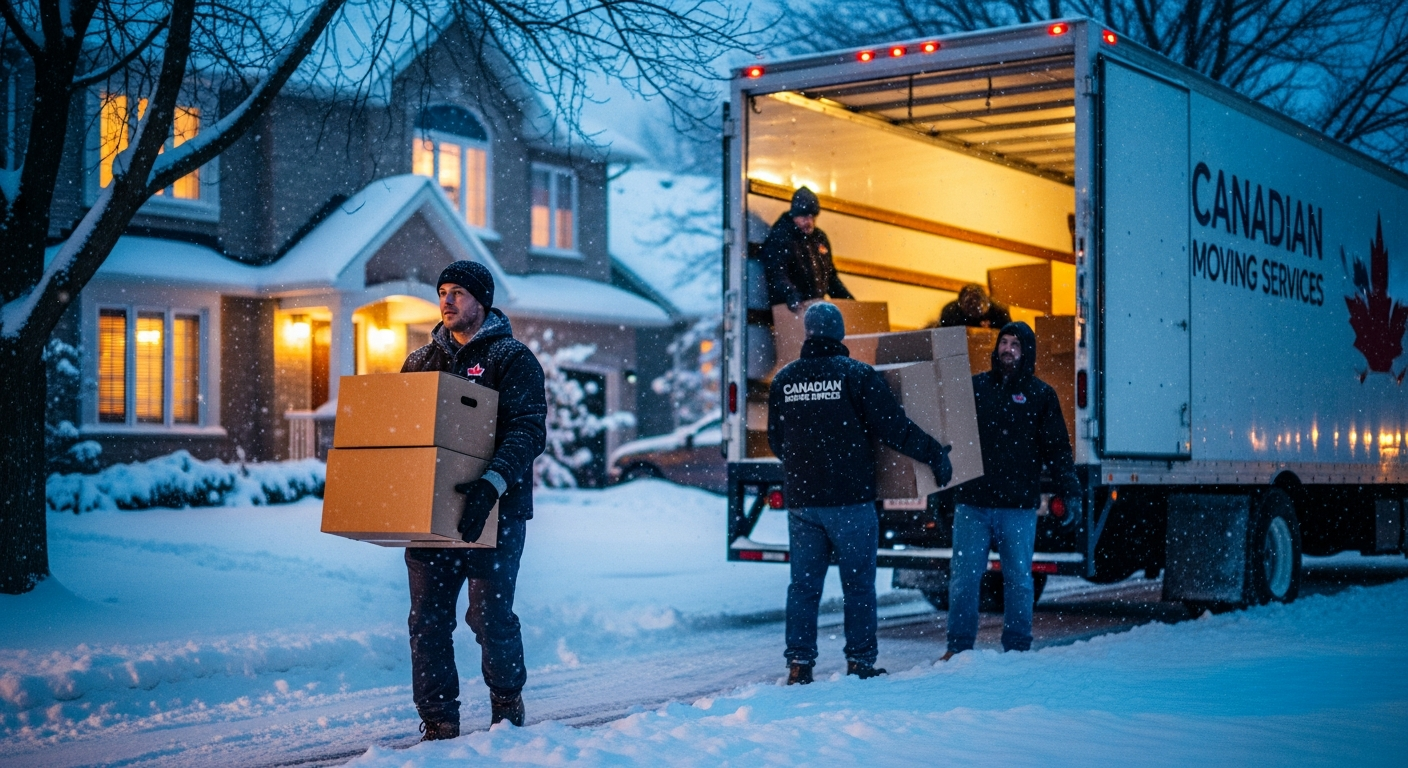
People move in winter for many reasons: a January job start in Calgary, a post-holiday lease change in Vancouver, a house closing that lands in February, or simply a desire to avoid the brutal summer rates. Whatever the trigger, a winter move across Canada is entirely doable when you respect the conditions. The difference between a smooth relocation and a stressful one comes down to preparation, the right equipment, and experienced long distance movers who run cross-country routes through the cold months every year.
Key Takeaway: Winter moves cost less and book faster, but they demand extra planning around weather, road closures, and protecting belongings from cold and moisture.
This guide walks through everything a Canadian household needs to know to relocate safely across provinces in winter — from mountain passes and prairie blizzards to packing strategy, scheduling, and the road resources that keep your shipment on the move.
The Realities of a Cross-Canada Winter Route
A coast-to-coast move can cover anywhere from 1,800 km (Toronto to Halifax) to more than 4,600 km (Montreal to Vancouver). In winter, the same distance takes longer because daylight is short, road surfaces are unpredictable, and federal hours-of-service rules limit a driver to roughly 13 hours behind the wheel per day with mandatory rest.
Expect transit times to stretch by one to three days compared with summer. A Toronto–Vancouver run that takes 5–7 days in July may need 7–9 days in January. Smart planning means building buffer into your delivery window rather than promising yourself an exact arrival date. Reputable national carriers and experienced cross-country moving company operators plan winter routes around storm systems, not against them.
Common Winter Bottlenecks
- Northern Ontario (Hwy 17): Lake-effect snow and long stretches with few services between Sault Ste. Marie and Thunder Bay.
- Rogers Pass and the BC Interior: Avalanche control closures and chain-up requirements.
- The Prairies: Ground blizzards and whiteouts that can shut highways for hours.
- The Maritimes: Nor'easters and freezing rain near the coast.
None of these are reasons to cancel a move — they are simply variables to plan around. Pairing realistic timelines with the right route knowledge is what separates a professional winter relocation from a gamble.
Mountain Passes and Prairie Storms
The single biggest winter challenge on a cross-Canada move is the British Columbia mountain corridor. Highway 1 through Rogers Pass and the Coquihalla (Hwy 5) regularly require winter tires or chains, and Transport Canada-regulated commercial carriers must comply with seasonal tire and chain laws from October 1 through April 30.
Professional crews equip their trucks accordingly, but it is worth confirming that your carrier runs mountain-rated vehicles. A move from Ontario to BC should always be booked with a mover that understands the Coquihalla and Rogers Pass, not a general carrier improvising the route for the first time.
⚠️ Avalanche Closures: Rogers Pass can close for hours during avalanche control. Build flexibility into your delivery window and never pressure a driver to push through an active closure.
On the Prairies, the danger is less about elevation and more about visibility. Ground blizzards can drop highway visibility to near zero in minutes. Experienced drivers will pull over and wait — a delay of a few hours is far better than a jackknifed trailer. If your route runs through Saskatchewan or Manitoba, expect occasional weather holds and plan accordingly. For the planning side of seasonal timing, our guide to the best time of year to move across Canada breaks down the trade-offs month by month.
Protecting Belongings From Cold and Moisture
Cold itself rarely damages household goods, but the freeze-thaw cycle and condensation can. When a frozen item enters a warm home, moisture forms on its surface, which is a risk for electronics, wood furniture, and artwork.

Items That Need Extra Care
- Electronics: Let TVs, computers, and audio gear acclimate to room temperature for several hours before powering them on.
- Wood furniture: Sudden humidity swings can crack finishes; wrap in moving blankets, not plastic, which traps moisture.
- Liquids: Anything that can freeze and expand — cleaning products, paint, beverages — should be drained or left behind.
- Houseplants: Most cannot survive an unheated trailer; move them separately or rehome them.
- Musical instruments: Pianos and string instruments are especially sensitive to cold and humidity.
Quality carriers use heated or insulated equipment for the most sensitive shipments, and they avoid leaving fragile goods in an unheated trailer overnight at a cold terminal. When you work with seasoned professional movers, ask directly how they handle temperature-sensitive items in transit.
Winter Packing Strategy
Winter packing follows the same fundamentals as any long distance move, with a few cold-weather additions. Sturdy, double-walled boxes resist the damp better than recycled grocery cartons, and moisture-resistant bins are worth the investment for anything you truly value.
Cold-Weather Packing Tips
- Use plenty of internal cushioning — cold makes some plastics and ceramics more brittle.
- Line the bottom of boxes containing electronics with extra padding to absorb shock on icy roads.
- Keep a clearly labelled "winter essentials" box with boots, coats, gloves, and a shovel accessible on moving day.
- Wrap upholstered furniture in breathable moving pads, never shrink wrap that traps condensation against fabric.
💡 Pro Tip: Pack a "first-night survival kit" with warm bedding, a portable heater or extra blankets, and dry clothing in case your new home's heat takes time to come up to temperature.
For a complete room-by-room system, our detailed guide on how to pack for a long distance move covers materials, labelling, and load order. Combining solid packing technique with winter-specific protection keeps your belongings safe across thousands of kilometres of cold highway.
Scheduling and Delivery Windows in Winter
Flexibility is your most valuable asset in a winter move. Carriers cannot control weather, and the safest movers will hold a truck rather than send it into a whiteout. Rather than demanding a single delivery date, agree on a realistic delivery window of several days and keep your phone handy for updates.
Book early in the day for both loading and unloading so crews can work in daylight, which is in short supply in December and January. If your closing dates do not line up perfectly, build a cross-Canada moving checklist that includes a short-term storage option so a storm delay never leaves you without a place to put your belongings.
Mid-week winter moves are easier to schedule and often cheaper. Avoid month-end dates when leases turn over and demand spikes even in the off-season.
Communicate your real priorities to the mover. If you need your bed and kitchen first, say so. A good long distance moving company will load the truck so essentials come off first, which matters even more when you are unloading into a cold, empty house.
Winter Moving Costs and Savings
The financial upside of a winter move is real. Off-season demand pushes rates down 10–25% compared with the June–August peak, and you have far more negotiating leverage when crews have open calendars.
Typical Winter Cross-Canada Ranges (2026, CAD)
- 1-bedroom: $3,800–$6,500
- 2-bedroom: $6,000–$9,500
- 3-bedroom: $9,000–$15,000
- 4+ bedroom: $14,000–$24,000+
These are door-to-door estimates that include basic coverage and standard transit. Winter pricing tends to sit at the lower end of each band. To understand exactly what drives the final number, see our breakdown of seasonal moving rates across Canada and how off-peak timing affects every line on a quote.
💡 Pro Tip: Ask for a binding or not-to-exceed estimate so a weather delay does not turn into surprise hourly charges. Reputable carriers price winter moves on weight or volume, not on how long the trip takes.
When you are ready to compare numbers, request a free free moving quote and ask each company how they handle winter contingencies before you sign.
Preparing Your Old and New Home
Snow and ice turn driveways, walkways, and loading ramps into hazards. Clearing a safe path is not just courtesy — it protects crews from injury and your belongings from drops. Plan to shovel and salt the route from the front door to the truck on both ends of the move.
At Your Old Home
- Clear and salt the driveway, steps, and walkway the morning of the move.
- Lay down cardboard, rugs, or grip mats inside to protect floors from slush and salt.
- Reserve parking close to the entrance so the truck minimizes the carry distance.
At Your New Home
- Confirm the heat and hydro are on before delivery day.
- Arrange to have the driveway plowed if you cannot be there in advance.
- Keep entryways clear and protected for the unloading crew.
⚠️ Liability: An icy walkway is the most common cause of winter moving-day injuries. A few dollars of salt protects both the crew and your move timeline.
Coordinating these details ahead of time keeps the loading and unloading windows tight, which matters most when daylight is limited and temperatures are dropping fast.
Driving and Road-Condition Resources
Whether your movers are driving the truck or you are following in your own vehicle, real-time road information is essential in winter. Bookmark the official provincial sources and check them daily as your move approaches.
- British Columbia: Check DriveBC for mountain pass conditions, chain-up notices, and closures on the Coquihalla and Rogers Pass.
- Alberta: Use 511 Alberta for highway conditions, road closures, and weather alerts across the province.
- National safety standards: Transport Canada sets the commercial winter tire and hours-of-service rules your carrier must follow.
If you are driving your own car cross-country alongside the move, equip it with proper winter tires, an emergency kit, a full tank, and a charged phone. Plan shorter daily drives than you would in summer and never try to outrun a storm to "make up time." Coordinating your personal travel with the truck's route gives you peace of mind and a backup plan if conditions change. Professional cross-Canada movers monitor these same resources to route around the worst of the weather.
Choosing a Winter-Ready Mover
Not every mover is equipped for winter cross-country work. The carrier you choose should run the route regularly through the cold months, maintain winter-rated trucks, and carry proper insurance for weather-related delays.

Questions to Ask Before Booking
- How many cross-Canada winter moves do you complete each season?
- Are your trucks equipped with winter tires and chains for mountain passes?
- How do you protect temperature-sensitive items in transit?
- What happens to my delivery window if a storm closes the highway?
- Is your estimate binding regardless of weather delays?
Verify membership in the Canadian Association of Movers and check independent reviews before committing. A confident, transparent answer to the questions above is the mark of an experienced interprovincial moving company. If a company dismisses winter concerns or refuses a binding estimate, keep looking — the off-season has plenty of capacity to choose from.
Winter Moving Day Checklist
Pull everything together with a focused moving-day routine designed for the cold. The goal is to keep crews safe, protect your belongings, and keep the schedule on track despite the weather.
- Shovel and salt all walkways, steps, and the driveway before the crew arrives.
- Protect interior floors with cardboard, rugs, or grip mats against slush and salt.
- Keep your winter essentials box and first-night survival kit with you, not on the truck.
- Confirm heat and power are on at the destination before the truck departs.
- Check DriveBC, 511 Alberta, or your provincial road service the morning of the move.
- Stay reachable by phone throughout the delivery window.
- Let electronics and wood furniture acclimate before unpacking or powering on.
Key Takeaway: A winter cross-Canada move rewards preparation. Clear the path, build a flexible delivery window, protect sensitive items, and work with movers who run the route every winter.
With the right plan and the right crew, a winter relocation is one of the smartest ways to move across Canada — lower cost, easier scheduling, and a smooth arrival even in the depths of January.
Shipping Your Vehicle Versus Driving It in Winter
One decision that catches winter movers off guard is what to do with the family vehicle. On a cross-Canada relocation you have two real options: drive it yourself behind or ahead of the moving truck, or hand it to an auto-transport carrier and fly to your destination. In winter, that choice carries more weight than at any other time of year.
Self-driving a 3,500 to 4,500 kilometre route in January means committing to four to six days behind the wheel through the Rockies, across the open Prairies, and over the granite of the Canadian Shield. Daylight is short, ditches fill with vehicles that slid off in the morning frost, and a single closure on the Coquihalla or the Kicking Horse Pass can erase a day of progress. Fuel, four to five nights of hotels, and meals typically add $900 to $1,600 to your move, before you even factor in the risk of driving an unfamiliar winter highway alone.
Auto transport removes much of that risk. Expect roughly $1,200 to $2,200 for open-carrier transport coast to coast, and $1,900 to $3,500 for an enclosed trailer that shields paint and undercarriage from road salt and flying gravel. Transit usually runs 7 to 12 days in winter because carriers consolidate loads and wait out storms, so arrange a temporary vehicle or transit pass for your first week.
💡 Pro Tip: Book vehicle transport on the same timeline as your household goods, but expect the car to arrive a few days after you do. Keep one set of winter boots, a charger, and any medication in your carry-on rather than the trunk.
Whichever route you choose, winterize the vehicle before it travels. Top up washer fluid rated to -40 C, confirm the battery holds a charge in deep cold, switch to dedicated winter tires, and keep the fuel tank above half to prevent line freeze. If your destination is Edmonton, Saskatoon, Winnipeg, or anywhere on the northern Prairies, install or test a block heater — many Prairie parking spots include plug-in posts for exactly this reason.
⚠️ Salt and Slush: Open carriers expose your vehicle to highway brine for the entire trip. If you drive a newer or higher-value car, the premium for an enclosed trailer is usually worth it to avoid corrosion and stone chips.
Before any vehicle sets out, check live conditions on DriveBC for the mountain corridor and your provincial 511 service for the Prairies. If you are continuing onto a Prairie leg, our guide to moving across the Prairies covers ground-blizzard timing and the plug-in block-heater habit in more detail.
Key Takeaway: In winter, shipping your vehicle is often safer and barely more expensive than self-driving once hotels, fuel, and risk are counted. Winterize whatever travels, and build a few days of carless buffer into your arrival plan.
Frequently Asked Questions
Is it cheaper to move across Canada in winter?
Yes. Winter is the off-season, so rates typically run 10–25% lower than the summer peak, and crews have far more scheduling flexibility. The savings on a long distance move can reach into the thousands of dollars.
Will the cold damage my belongings during transit?
Cold itself rarely causes damage, but condensation and freeze-thaw cycles can affect electronics, wood furniture, and artwork. Let temperature-sensitive items acclimate before use, and ask your mover how they protect fragile goods in transit.
What happens if a storm closes the highway during my move?
Reputable movers hold the truck until it is safe to proceed, which may extend your delivery window by a day or two. This is why winter moves should always be booked with a flexible delivery window rather than a fixed date.
Do moving trucks use winter tires and chains?
Professional carriers running mountain routes must comply with seasonal tire and chain laws from October 1 through April 30. Confirm your mover runs mountain-rated equipment if your route crosses the BC Interior.
How much extra time should I budget for a winter move?
Plan for one to three additional days compared with summer transit. Shorter daylight, weather holds, and slower road conditions all extend cross-country travel time.
Should I move my houseplants in winter?
Most houseplants cannot survive an unheated trailer for several days. Transport them in your own heated vehicle, give them to friends, or plan to replace them after the move.
How do I check road conditions before moving day?
Use official provincial sources such as DriveBC for British Columbia and 511 Alberta for Alberta. Check them daily in the week before your move and on the morning of departure.