Vancouver to Toronto: Route Overview
Moving from Vancouver to Toronto is one of the longest and most rewarding relocations in Canada — a true coast-to-coast journey that spans roughly 4,400 kilometres, four provinces, and three time zones. Whether you are trading the mild Pacific coast for Ontario's four-season climate, chasing a career opportunity, or returning home to family, this is a move that rewards careful planning and the right professional crew.

This guide walks you through everything you need to know about a Vancouver-to-Toronto move in 2026: realistic Canadian dollar costs by home size, transit windows, the route itself, seasonal considerations, and how to choose movers who genuinely specialise in interprovincial work. Because this corridor crosses the Rocky Mountains, the Prairies, and the rugged Canadian Shield, it demands experienced long distance movers who understand mountain passes, prairie weather, and the realities of a week-long highway haul.
Key Takeaway: A Vancouver-to-Toronto move covers about 4,400 km and typically takes 5-7 days in transit. Budget anywhere from $4,500 for a studio to $25,000+ for a large home, and book at least 6-8 weeks ahead for the best rates and dates.
The 4,400 km Route and What Makes It Unique
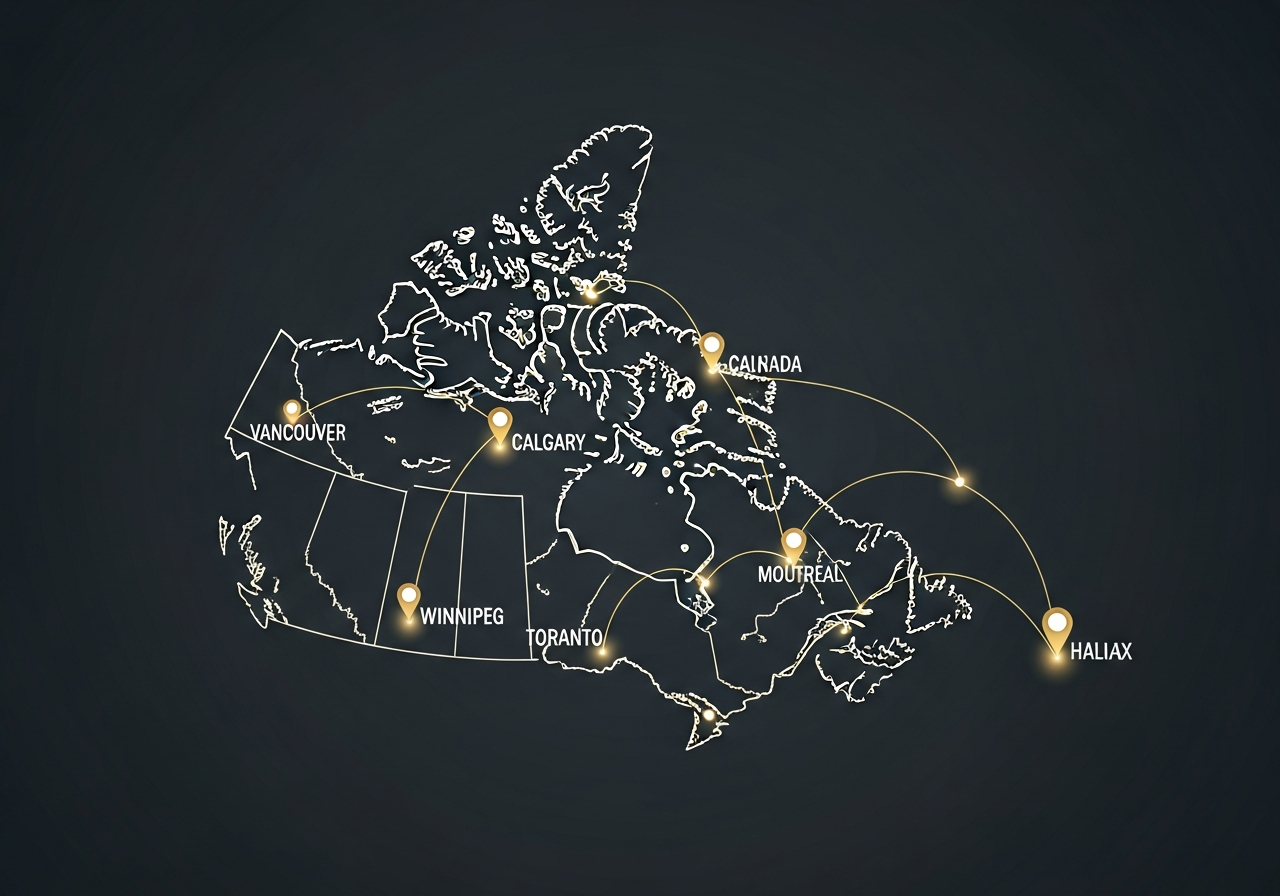
The classic Vancouver-to-Toronto route follows the Trans-Canada Highway (Highway 1) east out of the Lower Mainland, climbing through the Coast Mountains and the Fraser Canyon before crossing the interior of British Columbia. From there, trucks traverse the Rocky Mountains near the Alberta border, drop onto the Prairies through Calgary and the wide-open expanses of Saskatchewan and Manitoba, then push east through the lake-and-rock country of Northern Ontario before finally reaching the Greater Toronto Area.
The Three Distinct Legs
- The Mountain Leg (Vancouver to Calgary, ~970 km): Steep grades, switchbacks, and weather that can change in minutes. This is where professional drivers earn their keep, especially in shoulder seasons when snow lingers at higher elevations.
- The Prairie Leg (Calgary to Winnipeg, ~1,330 km): Long, flat, fast highway. The risk here is weather extremes — summer thunderstorms and winter whiteouts — rather than terrain.
- The Shield Leg (Winnipeg to Toronto, ~2,100 km): Northern Ontario's two-lane stretches around Lake Superior are scenic but slow, with limited services and frequent wildlife crossings.
Because the route changes character so dramatically, it pays to work with a cross-country moving specialist that runs this corridor regularly and monitors road conditions in real time. Many seasoned crews check provincial road authorities such as DriveBC and 511 Alberta before and during the trip to anticipate closures in the mountains and on the Prairies.
If you are weighing the reverse direction or comparing eastbound logistics in general, our companion guide on Toronto to Vancouver movers breaks down how the same corridor behaves when travelled westbound.
Transit Time and Delivery Windows
For a dedicated, single-truck move, plan on 5 to 7 days of driving time between Vancouver and Toronto. Federal hours-of-service rules limit commercial drivers to a maximum of 13 hours of driving per day with mandatory rest, and the mountain and Shield sections naturally slow the pace. Add loading day at origin and unloading day at destination, and the door-to-door experience is usually 7-10 days for a dedicated move.
Most Canadians, however, choose a consolidated or shared-load service to save money, which changes the delivery picture:
- Dedicated truck: 5-7 days transit, exact or near-exact delivery date. Premium pricing.
- Consolidated load: 8-14 day delivery window, best overall value because you share trailer space and fuel costs with other shipments heading the same direction.
- Economy / flexible window: 14-21 days, lowest cost, ideal if you have temporary accommodation or overlapping leases.
💡 Pro Tip: Ask your mover for a guaranteed delivery window in writing, not just an estimate. Reputable professional long distance movers will commit to a date range and explain exactly what happens if weather or mechanical delays push delivery beyond it.
If your schedule is tight — a job start date, a school term, or a firm closing date on a Toronto property — discuss express options early. Locking in a dedicated truck weeks ahead is far cheaper than scrambling for one in peak season.
How Much It Costs by Home Size (2026)
Vancouver-to-Toronto pricing is driven mostly by the weight or volume of your shipment and the level of service you choose. Here are realistic 2026 ranges in Canadian dollars for a full-service, door-to-door move:
- Studio / 1-bedroom apartment: $4,500-$7,200
- 2-bedroom apartment or condo: $6,800-$10,500
- 3-bedroom house: $9,500-$15,000
- 4-bedroom house: $13,500-$20,000
- 5+ bedroom or luxury home: $19,000-$28,000+
These figures typically include professional loading and unloading, basic valuation coverage, blankets and furniture protection, standard transit, and door-to-door service. Optional add-ons that affect the total include full-service packing ($500-$1,800 depending on home size), storage-in-transit, specialty crating for art or pianos, and additional insurance.
For a complete national breakdown of how these numbers are built — fuel surcharges, weight calculations, and seasonal swings — see our detailed guide to long distance moving costs in Canada. It explains the formulas movers use so you can sanity-check any quote you receive.
Because Vancouver-to-Toronto is one of the highest-demand corridors in the country, you will find a wide spread between the cheapest and most expensive quotes. The lowest bid is rarely the best value once you factor in insurance, delivery reliability, and claims handling.
What Affects Your Final Price
Two moves of identical distance can cost thousands of dollars apart. Understanding the variables helps you control your budget and compare quotes fairly.
The Biggest Cost Drivers
- Shipment weight/volume: The single largest factor. Every box you purge before the move directly reduces your cost.
- Service tier: Self-pack versus full-service packing can swing the price by $1,000 or more.
- Season: Summer (June-August) commands a premium of 20-30% over winter rates because demand peaks when families and students move.
- Access: High-rise condos in downtown Vancouver or Toronto with elevator bookings, long carries, or shuttle requirements add labour fees.
- Specialty items: Pianos, safes, hot tubs, pool tables, and large appliances require extra crew and equipment.
- Insurance level: Basic valuation is included; full-replacement coverage is an upgrade worth considering for a 4,400 km haul.
⚠️ Watch Out: Be wary of any quote that is dramatically lower than the rest. Lowball estimates on long corridors often balloon at delivery with surprise fees for stairs, weight overages, or "long carry" charges. Insist on a binding or not-to-exceed estimate.
A trustworthy long distance moving company will do a virtual or in-home survey before quoting, because guessing the volume of a household over the phone almost always leads to disputes later.
Best Time of Year to Make This Move
Timing affects both your cost and your stress level on this route. Each season brings trade-offs across the mountains, Prairies, and Shield.
Season by Season
- Summer (June-August): Easiest driving conditions and reliable mountain passes, but the highest prices and tightest availability. Book 8-10 weeks ahead.
- Fall (September-October): Often the sweet spot — pleasant weather, lower prices than summer, and good availability. Watch for early snow in the Rockies by late October.
- Winter (November-March): Lowest prices and the most flexible scheduling, but real weather risk through the Coast Mountains, Rockies, and Northern Ontario. Experienced crews handle it routinely.
- Spring (April-May): Improving conditions and moderate pricing, though mountain passes can still see late-season storms.
If you want a deeper analysis of seasonal trade-offs nationwide, our overview of moving between eastern and western Canada covers how weather windows shift along the full Trans-Canada corridor.
💡 Pro Tip: If you must move mid-winter, a mid-week, mid-month date is cheapest and gives your crew the most flexibility to wait out a storm rather than driving into one.
Packing and Preparing for a Coast-to-Coast Haul
A week of highway vibration, temperature swings, and multiple handling points means your packing standards need to be higher for a Vancouver-to-Toronto move than for a local one. Items must survive mountain switchbacks, Prairie heat, and the constant motion of a long-haul trailer.
Packing Essentials for a Long Haul
- Use double-walled boxes for anything heavy or fragile; single-wall boxes can fail under stacking pressure over thousands of kilometres.
- Fill every void with paper or padding so contents cannot shift — empty space is the enemy on long routes.
- Wrap furniture in moving blankets and shrink wrap, and disassemble bed frames, tables, and shelving to save space and prevent damage.
- Pack a clearly labelled "first-night" box with essentials you will need before the truck arrives in Toronto.
- Label every box with its room and a brief contents list to speed up unloading at destination.
Temperature matters too: electronics, candles, vinyl records, and certain liquids can be affected by the heat inside a closed trailer crossing the Prairies in July. Flag any sensitive items so your crew can plan placement and protection. Choosing long distance moving services that include professional packing removes much of this guesswork, because trained packers know exactly how to prepare a household for a multi-day journey.
Decluttering before you pack is the highest-return task you can do. Every item you donate, sell, or recycle is weight you do not pay to ship 4,400 km.
Shipping Your Vehicle and Specialty Items
Many people moving from Vancouver to Toronto choose to ship their car rather than drive it across the country. Driving solo over 4,400 km adds fuel, hotels, meals, and significant wear — and puts your only vehicle at risk on mountain and winter roads.
Vehicle Shipping Basics
- Open transport: Most common and economical, typically $1,400-$2,200 for a standard sedan on this route.
- Enclosed transport: Premium protection for luxury or classic vehicles, often $2,500-$4,000+.
- Timing: Coordinate vehicle pickup and delivery with your household goods so you are never left without transportation.
Remember that when you change provinces you will also need to register and insure your vehicle in Ontario, and cancel your BC insurance with ICBC. Our dedicated guide on long distance moving costs touches on how vehicle transport folds into your overall budget.
Specialty items — pianos, artwork, antiques, wine collections, and home gyms — need custom crating and climate-conscious handling on a route this long. Always disclose them upfront so your mover can price the right equipment and crew rather than improvising at the curb.
Both Transport Canada and provincial authorities set standards for commercial carriers; you can review federal transport information at Transport Canada if you want to understand the regulatory backdrop for your move.
Settling In: Address and Admin Tasks in Ontario
Arriving in Toronto is only half the job. Moving provinces triggers a checklist of administrative tasks that are easy to overlook in the chaos of a cross-country relocation.
Your Post-Move Admin Checklist
- Health card: Apply for Ontario Health Insurance Plan (OHIP) coverage promptly; there can be a waiting period, so do not delay.
- Driver's licence and vehicle: Exchange your BC licence for an Ontario one and register your vehicle within the required window.
- Address changes: Update your address with the Canada Revenue Agency and with ServiceOntario.
- Mail forwarding: Set up Canada Post mail forwarding from your Vancouver address so nothing slips through the cracks.
- Utilities and services: Arrange disconnection in BC and connection in Ontario for hydro, internet, and gas.
For a complete walkthrough of the paperwork involved when you cross provincial lines, see our step-by-step resource on planning your long distance move budget and keep a running list so nothing is forgotten in the first hectic weeks.
Choosing the Right Long Distance Mover
The single most important decision you will make on this move is who you trust with your belongings for a week on the road. Not every local mover is equipped for a 4,400 km interprovincial haul.
What to Verify Before You Book
- Interprovincial experience: Ask specifically how often they run the Vancouver-Toronto corridor and request references from similar moves.
- Insurance and licensing: Confirm full liability coverage and valid commercial credentials. Membership in the Canadian Association of Movers is a strong positive signal.
- Reputation: Check independent reviews and the Better Business Bureau for complaint history and how disputes were resolved.
- Transparent quoting: Insist on a written, binding or not-to-exceed estimate after a proper survey.
- Tracking and communication: GPS tracking and a single point of contact reduce anxiety during a week-long transit.
An established cross-Canada movers team will answer all of these questions confidently and put commitments in writing. If you want guidance comparing the eastbound and westbound experience, our Toronto-to-Vancouver route guide highlights the same vetting criteria from the opposite coast.
How to Save Money on a Vancouver-to-Toronto Move
This is a premium-distance move, but smart planning can shave thousands off the bill without sacrificing reliability.
Proven Savings Strategies
- Declutter aggressively: Sell or donate before you pack. Less weight equals lower cost on every quote.
- Choose a consolidated load: Sharing trailer space with other shipments heading east is the easiest way to cut costs if your dates are flexible.
- Move off-peak: Avoid summer and month-end dates. Winter and mid-month moves are meaningfully cheaper.
- Pack yourself where you can: Even packing your own non-fragile boxes reduces the full-service surcharge.
- Get at least three detailed quotes: Compare apples to apples on service tier, insurance, and delivery window — not just the headline number.
💡 Pro Tip: Combining a flexible delivery window with off-season timing and a decluttered shipment can reduce your total cost by 25-35% compared to a peak-season dedicated move.
Before you sign anything, request a free moving quote and review our broader cost-saving breakdown for cross-Canada moves to make sure you are negotiating from a position of knowledge. A little research up front can be the difference between a smooth coast-to-coast move and an expensive surprise.
Frequently Asked Questions
How long does a Vancouver to Toronto move take?
Transit time for a dedicated truck is typically 5-7 days of driving across the roughly 4,400 km route. Add a day for loading and a day for unloading, so a dedicated door-to-door move is usually 7-10 days. Consolidated or shared-load shipments deliver within an 8-14 day window at a lower price.
How much does it cost to move from Vancouver to Toronto in 2026?
Expect roughly $4,500-$7,200 for a studio or one-bedroom, $6,800-$10,500 for a two-bedroom, $9,500-$15,000 for a three-bedroom house, and $19,000-$28,000+ for a large or luxury home. Final cost depends on shipment weight, season, service tier, and access at both ends.
Should I ship my car or drive it across Canada?
For most people, shipping is the better choice. Driving 4,400 km solo adds fuel, hotels, meals, vehicle wear, and risk on mountain and winter roads. Open transport typically runs $1,400-$2,200 for a standard car and lets you fly to Toronto instead of making the long drive.
When is the cheapest time to move from Vancouver to Toronto?
Winter (November through March) offers the lowest prices and the most availability, though it carries weather risk in the mountains and Northern Ontario. Fall is often the best balance of mild conditions and below-summer pricing. Mid-week, mid-month dates are cheapest in any season.
How far in advance should I book?
Book 6-8 weeks ahead for most of the year, and 8-10 weeks ahead for summer moves, which sell out fastest. Early booking secures better pricing and your preferred dates, and gives you time to declutter and pack properly.
Will my belongings be safe over such a long distance?
Yes, when you choose an experienced interprovincial mover. Look for GPS-tracked trucks, professional padding and crating, full insurance coverage, and a written delivery commitment. Proper packing and a reputable, properly licensed carrier are the keys to damage-free arrival.
What paperwork do I need when moving to Ontario?
Plan to apply for OHIP health coverage, exchange your BC driver's licence and register your vehicle in Ontario, update your address with the CRA and ServiceOntario, and set up Canada Post mail forwarding. Start these tasks within your first week in Toronto to avoid coverage gaps.