Why Moving Plants Long Distance Is Complicated
Houseplants are among the trickiest belongings to relocate on a long distance move across Canada. They are living organisms sensitive to temperature, light, water, and stress; they are subject to regulations when crossing provincial lines; and most moving companies will not transport them at all. A move from Ottawa to Vancouver or Calgary that takes four to eight days can be fatal to plants left in a dark, unconditioned trailer.
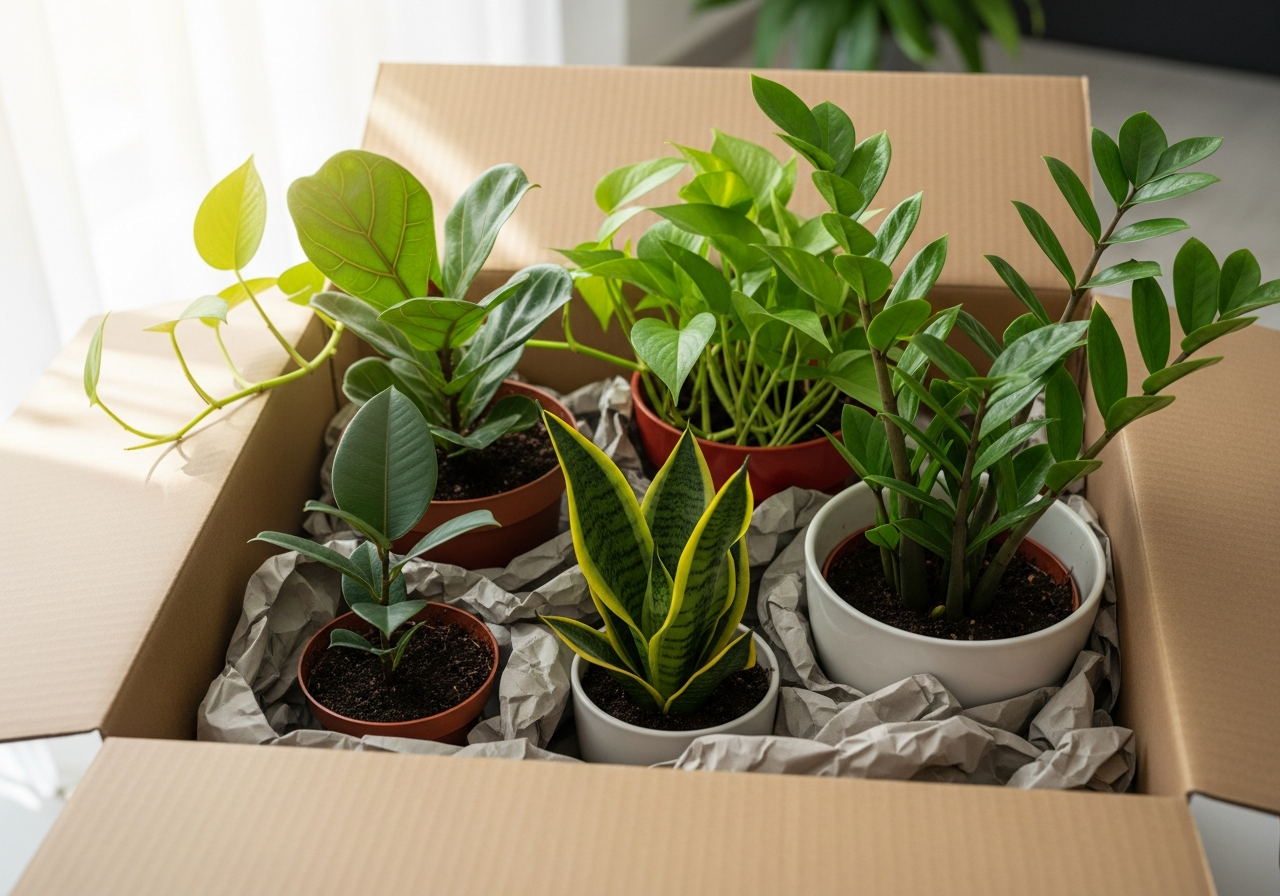
For plant lovers, this creates a real dilemma. Beloved plants — some grown for years or passed down through family — represent genuine sentimental value, yet the practical and regulatory hurdles are significant. The good news is that with planning, you can successfully move many plants yourself, and for those you cannot bring, there are thoughtful alternatives.
This guide covers the regulations you must know, why long distance movers decline plants, how to decide what to bring, and exactly how to prepare, pack, transport, and revive your plants. Because plants travel with you rather than on the truck, coordinate this with the rest of your move using our guide to packing for a long distance move.
Key Takeaway: Plants are living, regulated, and rarely transported by movers — successfully relocating them requires advance planning and carrying them yourself.
Canadian Rules for Moving Plants Between Provinces

Before you pack a single pot, understand the regulations. Canada has rules governing the movement of plants between provinces, primarily to prevent the spread of pests and diseases that threaten agriculture and ecosystems.
The CFIA Governs Plant Movement
The Canadian Food Inspection Agency (CFIA) regulates the domestic movement of plants and plant products. For most common houseplants moving between provinces, restrictions are limited — but certain plants, soil, and regions are subject to controls, particularly to contain specific pests. Always check current requirements directly with the Canadian Food Inspection Agency (CFIA) before you move, since rules can change and vary by plant type and region.
Provincial Considerations
- British Columbia has particular sensitivities around invasive pests and may have specific requirements for certain plants and soil.
- Soil restrictions sometimes apply, since soil can harbour pests and pathogens — bare-rooting plants is often recommended.
- Quarantine areas for specific pests can restrict movement of host plants in or out of affected regions.
⚠️ Check Before You Pack: Regulations differ by plant species, soil, and destination province, and can change without much notice. Verify current CFIA and provincial requirements well before moving day — non-compliance can mean confiscation at best.
Beyond plant-specific rules, moving provinces involves a broader set of administrative tasks. Our guide on interprovincial moving regulations in Canada covers the full picture of crossing provincial lines. When in doubt about a specific plant, contacting the CFIA directly is always the safest course.
Why Movers Usually Will Not Transport Plants
One of the first surprises for plant owners is learning that most moving companies will not transport live plants on a long distance move. Understanding why helps you plan realistically.
The Reasons Movers Decline Plants
- Survival conditions: Moving trailers are dark and unconditioned. Days without light, with temperature extremes and no water, kill most plants — movers cannot guarantee their survival.
- Regulatory liability: Crossing provincial lines with regulated plants or soil creates compliance risk that movers prefer to avoid.
- Pest risk: Plants and soil can introduce pests into the truck, threatening the entire shipment.
- No liability coverage: Even movers who agree to take plants typically exclude them from any damage or loss coverage.
- Mess and damage: Soil, water, and broken pots can damage other customers' belongings.
Some movers may transport plants for short, local moves, but for a multi-day cross-country haul, declining is nearly universal — and sensible. Even if a mover agreed, the conditions would likely kill your plants anyway.
Key Takeaway: Expect to transport plants yourself. Movers decline them because trailers cannot keep plants alive and because of regulatory and pest risks on interprovincial routes.
This means plants belong in the category of items you keep with you, alongside valuables, documents, and pets. A transparent cross-country moving company will tell you upfront that plants are a non-allowable item — it is part of the standard non-allowables list you should review during your estimate, much like the restricted items covered in our packing guide.
Deciding Which Plants to Move
Since you will be transporting plants yourself — likely in your own vehicle — space is limited and the journey is stressful for plants. A realistic assessment of which plants to bring saves heartache and effort.
Good Candidates to Move
- Small to medium plants that fit easily in your vehicle
- Hardy, resilient species that tolerate stress well
- Plants with high sentimental value — gifts, heirlooms, propagations from family
- Rare or hard-to-replace varieties
Consider Leaving Behind
- Large, heavy, or unwieldy plants that consume precious vehicle space
- Common, inexpensive plants easily repurchased at your destination
- Delicate species unlikely to survive a multi-day journey
- Any plant that is regulated or restricted for your destination province
For plants you cannot or should not bring, propagation is a wonderful solution — take cuttings of treasured plants, which travel far more easily than full specimens (more on this later). Gifting larger plants to friends, family, or neighbours ensures they go to good homes.
💡 Pro Tip: Take cuttings of your most sentimental plants several weeks before the move. Cuttings are compact, resilient, and let you carry a piece of your garden across the country even when the parent plant must stay behind.
This selective approach mirrors the broader decluttering mindset that makes any long distance move smoother. As you decide what comes along, a long distance moving company can handle the rest of your household while you focus on safely transporting your plants and other personal items.
Preparing Your Plants Weeks in Advance
Plants moved long distance do best when prepared gradually over the weeks leading up to the move. Sudden changes shock plants; slow preparation builds resilience.

Three Weeks Before
- Repot into plastic pots if your plants are in heavy or fragile ceramic. Plastic is lighter, unbreakable, and safer for transit. Do this early so plants recover from repotting stress before the move.
- Prune dead leaves, overgrowth, and damaged stems to reduce size and help plants focus energy on healthy growth.
- Inspect and treat for pests so you do not transport an infestation — and to comply with movement rules.
One to Two Weeks Before
- Consider bare-rooting certain plants if soil restrictions apply for your destination — wrap roots in damp paper towel and plastic.
- Hold off on fertilizing close to the move; you do not want a burst of fragile new growth.
A Few Days Before
- Water appropriately: Water two to three days before so soil is moist but not soggy on moving day — waterlogged soil is heavy and promotes rot in transit.
⚠️ Do Not Repot the Day Before: Repotting stresses plants and they need time to recover. Repot at least two to three weeks ahead so plants are stable and strong heading into the journey.
Thoughtful preparation dramatically improves survival odds. Coordinate this plant timeline with your overall cross-Canada moving checklist so plant care does not get lost in the rush of moving week.
How to Pack Plants for a Long Distance Move
Proper packing protects plants from breakage, soil spills, and damage during a multi-day journey. The goal is to secure each plant while still allowing it some light and air whenever possible.
Packing Step by Step
- Secure the soil: Cover the soil surface with plastic wrap or a paper bag secured around the base of the stem to prevent spillage during transit.
- Protect the pot: Place each potted plant in a box sized to hold it snugly, cushioning around the pot with paper so it cannot tip.
- Support the foliage: Loosely wrap large or delicate plants in paper or breathable plant sleeves to protect leaves and branches — never seal them airtight for days.
- Group by size: Pack small plants together in a single box with dividers; transport larger plants individually.
- Leave boxes open or ventilated when possible so plants get air and light during stops.
For Cuttings
Wrap cut ends in damp paper towel, place in a sealed plastic bag with a little air, and keep them cool and out of direct sun. Cuttings tolerate travel remarkably well and can be potted up at your destination.
💡 Pro Tip: Pack plants last, on moving day, and unpack them first at the destination. The less time they spend boxed, the better they fare. Keep them accessible in your vehicle, not buried under luggage.
Because plants ride with you rather than on the truck, they sit in the same category as your essentials box and valuables. Apply the same care you would to the fragile items in our packing guide, and let a professional long distance movers crew handle the household goods so you can focus on your plants.
Transporting Plants by Car, Air, or Mail
How you physically move your plants across Canada depends on the distance, your travel method, and the value of the plants. Each option has trade-offs.
By Car (Best for Most)
Driving your plants is by far the best option when feasible. You control temperature, light, and watering, and you can check on them at every stop. Keep plants in the passenger compartment, never the trunk, where heat and cold are extreme. Secure boxes so they do not slide, and crack a window or use climate control to maintain a comfortable temperature.
By Air
If you are flying to your destination, small plants and cuttings can sometimes travel in carry-on or checked luggage, but airline policies vary and provincial movement rules still apply. Confirm with your airline and check CFIA guidance. Cuttings are far more practical to fly than full plants.
By Mail or Courier
Shipping plants is possible but risky over long distances — they may spend days in transit without light or temperature control, and shipping must comply with movement regulations. Cuttings ship better than potted plants. If you ship, use expedited service and insulated packaging.
⚠️ Never Leave Plants in a Hot or Freezing Vehicle: A parked car becomes lethally hot in summer and freezing in winter within minutes. Bring plants into your accommodation during overnight stops on a multi-day drive.
For most cross-Canada moves, driving plants yourself while a cross-Canada movers team transports your household is the winning combination. It keeps your plants alive and your belongings professionally handled.
Caring for Plants in Transit and on Arrival
Plants need care during the journey and a gentle reintroduction at your new home. A few simple practices make the difference between thriving and dying.
During Transit
- Maintain comfortable temperatures in the vehicle — avoid extremes.
- Give light at stops by parking in shade and, during overnight stays, bringing plants inside near a window.
- Water lightly if needed on multi-day trips — check soil moisture rather than watering on a fixed schedule.
- Check for stress and remove any damaged leaves to prevent rot.
On Arrival
- Unpack plants first, before furniture and boxes, and get them out of their containers.
- Place them in appropriate light, but reintroduce gradually — a stressed plant can be shocked by sudden bright sun.
- Water and let them rest; hold off on fertilizing or repotting for a couple of weeks.
- Expect some shock — dropped leaves and wilting are common and often recover with patience.
💡 Pro Tip: Give your plants two to four weeks to recover before judging their health. Many plants that look terrible right after a long move bounce back fully once they settle into a stable environment.
Patience is the key to post-move plant recovery. While your plants settle in, you will be busy with the broader task of getting your household running — see our cross-Canada moving checklist for managing the first weeks. A reliable interprovincial moving company delivering your goods on schedule frees you to nurse your plants back to health.
Climate and Seasonal Considerations
Canada's vast climate range and your move's timing both affect plant survival. Planning around the season and your destination's conditions improves your odds.
Seasonal Timing
- Spring and fall are the safest seasons to move plants — moderate temperatures reduce the risk of heat or cold damage in transit.
- Summer brings dangerous heat; never leave plants in a hot vehicle, and water more attentively.
- Winter brings freezing temperatures that can kill plants in minutes of exposure — protect plants carefully moving between buildings and vehicles, and never leave them in an unheated car.
Destination Climate
Your plants may face a very different climate at your destination. A move from humid central Canada to the dry prairies or the wetter West Coast changes the light, humidity, and seasonal patterns your plants are used to. Be prepared to adjust watering and placement, and consider a humidifier for tropical houseplants in drier climates.
⚠️ Winter Moves Are Hardest on Plants: If you must move plants in winter, minimize their exposure to cold by wrapping them, warming the vehicle before loading, and moving quickly between heated spaces. Even brief exposure to freezing air can damage tropical plants.
If your move timing is flexible, choosing a shoulder season benefits both your plants and your wallet. For broader guidance on the best time to relocate, see our advice within the cross-Canada moving checklist, and plan your plant transport around the gentlest possible conditions. A seasoned nationwide moving company can also advise on scheduling your household move for the optimal window.
Alternatives When You Cannot Bring Plants
Sometimes the right decision is not to bring a plant — whether due to regulations, size, fragility, or the realities of a long journey. Several thoughtful alternatives let you part with plants gracefully or carry their legacy forward.
Take Cuttings and Propagate
Propagation is the best alternative for sentimental plants. Cuttings are compact, resilient, and travel easily in a bag with damp paper towel. You can grow entirely new plants from your originals at your destination — a living continuation of your garden.
Gift Your Plants
Give larger plants to friends, family, neighbours, or coworkers who will appreciate them. Many people love adopting established plants, and it is satisfying to know yours have good homes.
Donate to the Community
Schools, offices, community centres, seniors' residences, and hospitals often welcome plant donations. Local gardening groups and plant-swap communities are also great options.
Sell Valuable Specimens
Rare or mature plants have real value. Selling them through local marketplaces recoups some cost and finds them an enthusiastic new owner.
Key Takeaway: When a plant cannot make the journey, take cuttings to carry its legacy, and gift, donate, or sell the parent — far better than letting it perish in transit.
Whatever you decide, handle plants thoughtfully and well before moving week so it is not a last-minute scramble. With your plants sorted, you can let a trusted long distance moving services provider manage your household goods. When you are ready to plan the move itself, request a free moving quote and verify any company through the Canadian Association of Movers or the Better Business Bureau.
Frequently Asked Questions
Can I move plants across provinces in Canada?
Yes, most common houseplants can move between provinces, but certain plants, soil, and regions are subject to controls to prevent the spread of pests. Rules vary by species and destination and can change, so always verify current requirements with the Canadian Food Inspection Agency (CFIA) before your move.
Will movers transport my houseplants long distance?
Almost never on a cross-country move. Trailers are dark and unconditioned, so plants rarely survive days in transit, and there are regulatory and pest concerns crossing provincial lines. Plants are a standard non-allowable item, so plan to transport them yourself in your own vehicle.
How do I keep plants alive during a multi-day drive?
Keep plants in the passenger compartment, never the trunk, and maintain comfortable temperatures. Park in shade at stops, bring plants inside during overnight stays, water lightly when the soil dries, and remove damaged leaves. Never leave plants in a hot or freezing parked car, even briefly.
Should I repot my plants before moving?
Yes — repot fragile ceramic-potted plants into lightweight plastic pots at least two to three weeks before the move so they recover from the stress before travelling. For destinations with soil restrictions, consider bare-rooting certain plants and wrapping the roots in damp paper towel.
What does the CFIA regulate for moving plants?
The Canadian Food Inspection Agency regulates the domestic movement of plants and plant products to prevent the spread of pests and diseases. Most houseplants face limited restrictions, but specific plants, soil, and quarantine regions are controlled. Check inspection.canada.ca for current rules before you move.
Can I ship plants by mail across Canada?
It is possible but risky over long distances, since plants may spend days without light or temperature control, and shipping must comply with movement regulations. Cuttings ship far better than potted plants. If you ship, use expedited service and insulated packaging, but driving your plants yourself is much safer.
What if my plants are too big or fragile to move?
Take cuttings to propagate new plants at your destination — they travel easily and carry your plant's legacy forward. Gift larger plants to friends, family, or neighbours, donate to schools or community centres, or sell valuable specimens. These are all kinder than letting a plant die in transit.
How long do plants take to recover after a long distance move?
Give plants two to four weeks to recover. Dropped leaves and wilting are normal after the stress of a move. Unpack plants first, reintroduce them to light gradually, water appropriately, and hold off on fertilizing or repotting. Most plants bounce back once they settle into a stable environment.